Match time profiles
Compare hourly solar generation with vehicle arrival, charging duration and energy demand instead of comparing only daily totals.
Solar-powered EV charging stations combining photovoltaic panels, LFP battery storage, and DC/AC EV chargers. Off-grid capable. For Africa, islands, remote highways, and emerging EV markets.
All-in-one solar carport with integrated EV charger and battery storage. Zero grid dependency for daytime charging.
Designed for markets with unreliable grid. Solar + BESS keeps chargers running during loadshedding and grid outages.
7kW AC or 60–120kW DC chargers powered by solar+battery. No grid upgrade required. Ideal for remote highways and rural sites.
Solar self-consumption reduces grid electricity cost to near zero. BESS enables time-shifted charging at off-peak rates.
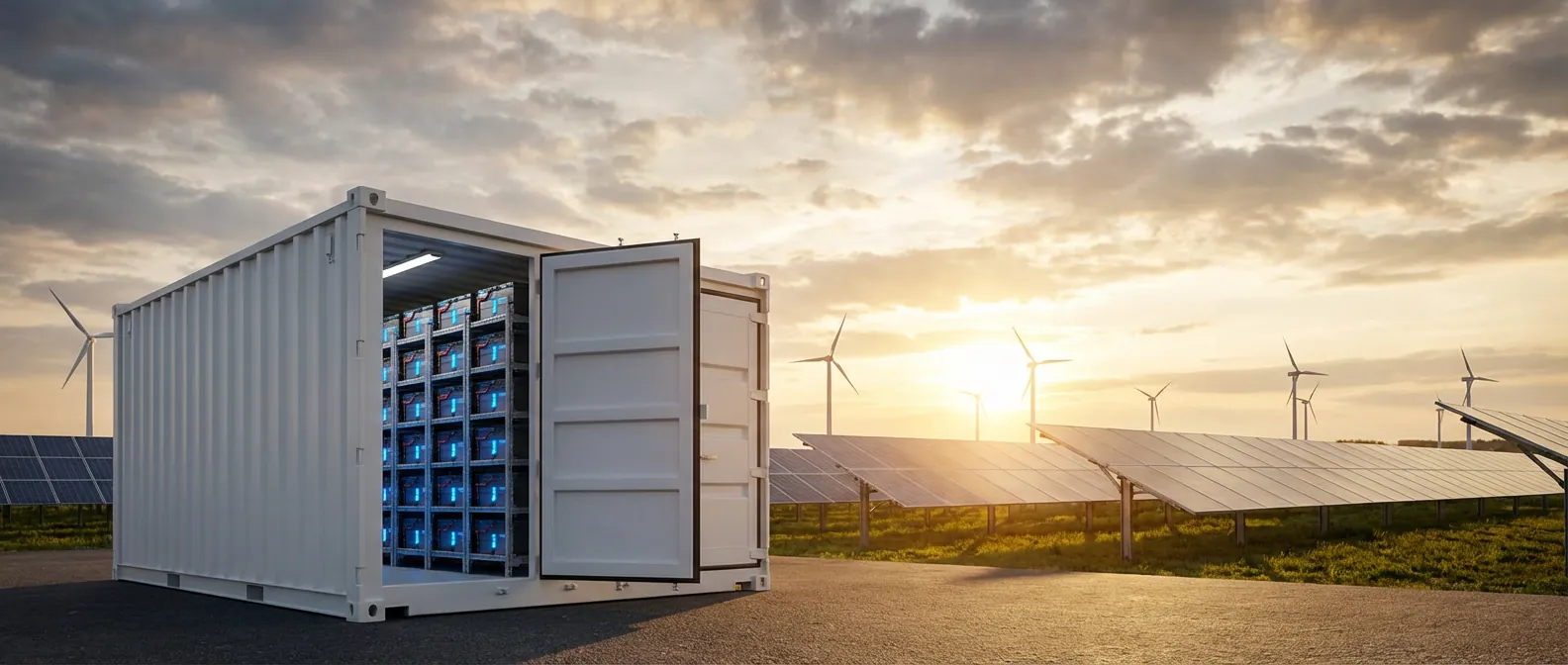
Pre-installed, pre-commissioned 20-ft container solution. Ship to site, connect PV and grid, go live in days.
Carbon footprint reduction for corporate ESG targets. Full lifecycle carbon reporting available.
Solar+battery DC fast charging stations for African rural highways. No grid connection needed. Serves long-distance EV travel routes between cities.
Zero-emission charging for island resorts and coastal destinations. Solar carports reduce diesel generator fuel costs by 60–80%.
Solar carports over employee parking. EV charging included. BESS stores excess solar for evening charging and demand charge reduction.
Utility-scale solar farm combined with BESS and high-power DC chargers. Creates a revenue-generating EV charging hub at a solar installation.
A 60kW DC charger running 8 hours/day needs approximately 120kWp of solar panels + 200kWh of battery storage to achieve grid-neutral operation in sunny climates. In partially cloudy regions, grid backup is recommended.
Yes. Our off-grid solar EV charging systems are designed for true grid-free operation. The BESS bridges solar generation gaps and ensures continuous availability. Diesel backup generator integration is optional.
Solar panels should be cleaned every 3–6 months. Annual inspection of electrical connections, BMS calibration, and charger maintenance. Our remote monitoring platform detects 90% of issues proactively.
A solar powered EV charger does not charge from a panel nameplate in isolation. Generation profile, vehicle demand, grid limit, storage energy and power, conversion losses, controls and operating reserve must be assessed together. Buyers may search for an “EV solar charger,” but the useful procurement unit is the complete project boundary.
Compare hourly solar generation with vehicle arrival, charging duration and energy demand instead of comparing only daily totals.
State whether storage is intended for peak shaving, weak-grid support, resilience, energy shifting or a controlled charging reserve.
SUNFULL can discuss equipment and system interfaces; qualified local parties remain responsible for final electrical design, civil work, permits, utility coordination and site approval.