Australia EV Charger Procurement Guide: AS/NZS 3000 Site Readiness
Australia project configuration: 32A option, connector and site wiring scope reviewed separately
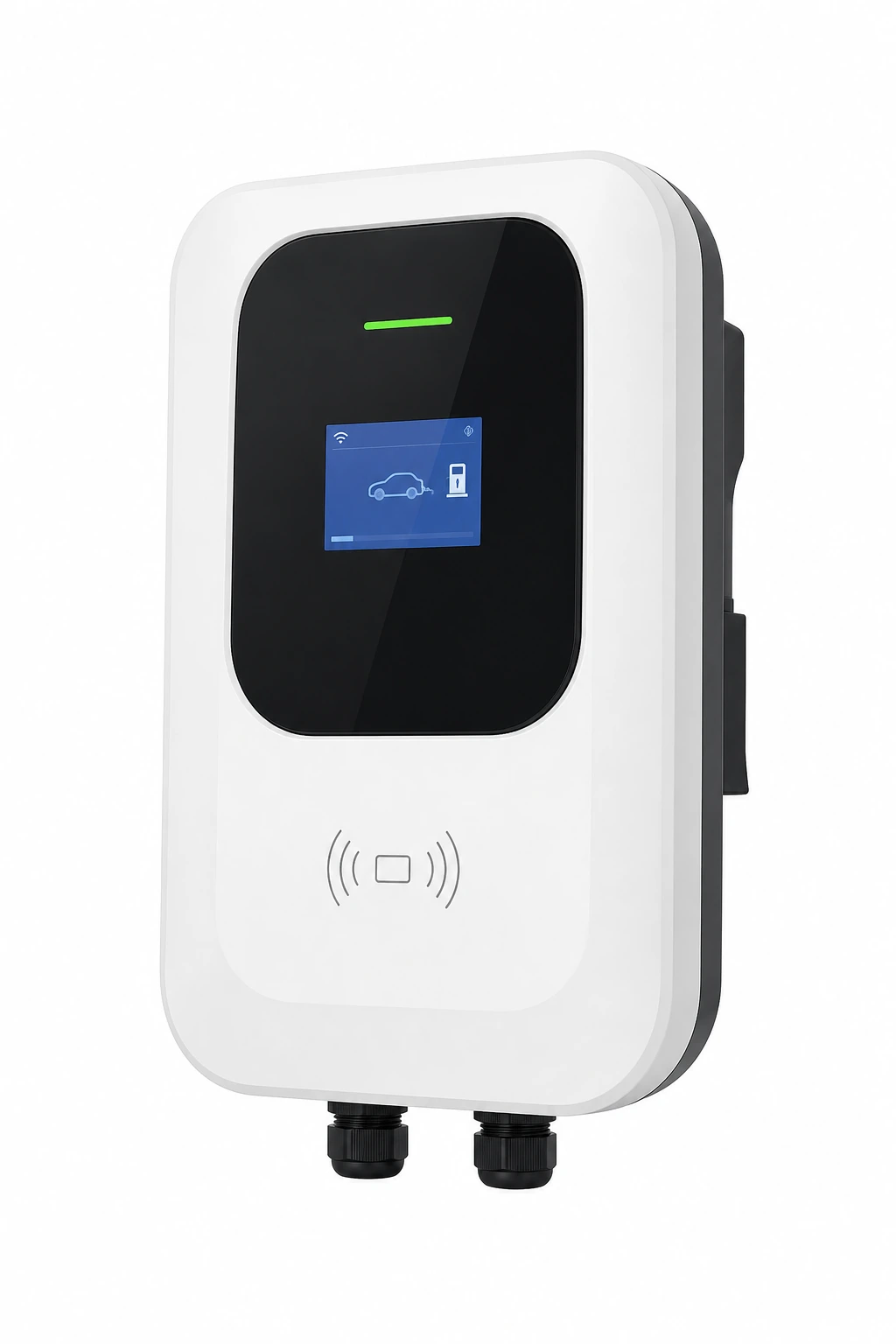
Compliance Scope
Model-specific compliance files, test scope and destination-market requirements are confirmed during RFQ review before order.
Factory Direct
Manufacturer-direct support for model selection, project configuration and export-document review. Evaluation-order and OEM terms are confirmed in the current quotation.
Global Shipping
FOB Wuhan, CFR, CIF. Export docs and HS codes handled.
OEM / ODM Ready
Custom branding, firmware, enclosure. Your brand, our platform.
7kW AC EV Charger for Australia (AS/NZS 3000)
Australia project configuration: 32A option, connector and site wiring scope reviewed separately
Project Cost: Confirmed after model, configuration, quantity and destination-market review
Documentation: Compliance files confirmed by exact model and destination market
Lead Time: Confirmed after configuration, quantity and document review
Explore More AC Charger Products
7kW AC Wall-Mounted EV Charger • 11kW/22kW Home Wallbox EV Charger • OEM/ODM AC Wallbox EV Charger 7-22kW
Browse All 20 AC Charger Products →How to evaluate 7kW AC EV Charger for Australia (AS/NZS 3000) before ordering
This buyer guide is written for parking operators, hotels, apartments, workplaces, distributors and EV charging installers. It turns the product page into a practical sourcing checklist, so a procurement team can compare suppliers by project fit rather than only by headline price.
1. Match the product to the site plan
Start with the real operating conditions: application, installation space, duty cycle, local voltage, grid or battery constraints, expected users, service access and climate. For 7kW AC EV Charger for Australia (AS/NZS 3000), the key use case is AC Charger, and the configuration should support Australia project configuration: 32A option, connector and site wiring scope reviewed separately. If these details are unclear, request a conservative starting configuration before committing to a batch order.
2. Request the right compliance files
Before price negotiation is finished, ask for the documents that your installer, customs broker or tender team will actually review. Important checks include connector standard, charging power, OCPP version, payment or RFID workflow, enclosure rating, meter accuracy, cable length, installation method and local grid rules. For regulated markets, confirm whether the certificate scope, model name and rating label match the exact configuration being quoted.
3. Compare the full supply scope
Do not compare only the unit price. Confirm whether the quote includes charging cables or guns, pedestal or wall-mount hardware, backend configuration, RFID cards, spare parts, user labels, packing marks and installation documentation. A clear supply scope makes it easier to approve samples, avoid missing accessories, and keep repeat orders consistent across different project phases.
What to send with your RFQ
For a faster quotation, send the destination country, target application, expected quantity, preferred configuration, local certification needs, branding requirements, installation environment and delivery timeline. If this is for a tender or distributor program, include the required datasheet format, label language, packing rules and any grid or safety standard requested by the local buyer.
For sample orders, buyers usually verify installation fit, enclosure quality, display or app language, communication stability, packaging protection and basic user operation. For batch orders, the review should go deeper: firmware or hardware version control, serial-number tracking, spare-parts list, inspection photos, carton marks, export documents and the process for technical support after delivery.
Final pricing is confirmed only after the exact model, electrical configuration, cable, communication options, documentation, quantity, packaging and destination are reviewed.
SUNFULL NEW ENERGY uses these landing pages as sourcing references, not only advertising pages. The goal is to help B2B buyers prepare a cleaner RFQ, compare products on real project conditions, and avoid surprises around certificates, grid compatibility, communication protocol, packaging and delivery terms.
Related SUNFULL sourcing resources
Product catalog • Application solutions • Factory workflow • Certificate checks • Buyer insights
Ready to Source 7kW AC EV Charger for Australia (AS/NZS 3000)?
Quantity, destination, certification requirements — tell us and we respond after project-scope review.
Australia procurement answer
AS/NZS 3000 applies to electrical installations; it is not a generic EV charger product certificate
Short answer: Use AS/NZS 3000 as part of the site wiring and installation review performed by qualified local parties. Separately verify the exact charger model, electrical ratings, connector, protection, communications and any product approvals or grid requirements that apply to the destination and project type.
| Scope | Evidence | Primary responsibility |
|---|---|---|
| Site wiring | Circuit, isolation, protection and installation design | Licensed designer and installer |
| Charger model | Ratings, connector, enclosure and manuals | Supplier and importer |
| Smart functions | OCPP, RFID, app, payment and tests | Supplier and integrator |
| Project approval | Current state, network and site requirements | Buyer, network and local authority |
Primary sources
Questions buyers ask
Does AS/NZS 3000 certify an EV charger product?
No. It is an electrical installation standard. Product evidence and installation compliance must be reviewed as separate scopes.
Can SUNFULL approve an Australian installation?
No. SUNFULL can provide model documentation; a qualified local designer or installer and relevant authorities determine site compliance.
What should an Australian RFQ include?
Send state, site type, supply, phase, available capacity, connector, cable arrangement, OCPP/payment, quantity and required product documents.