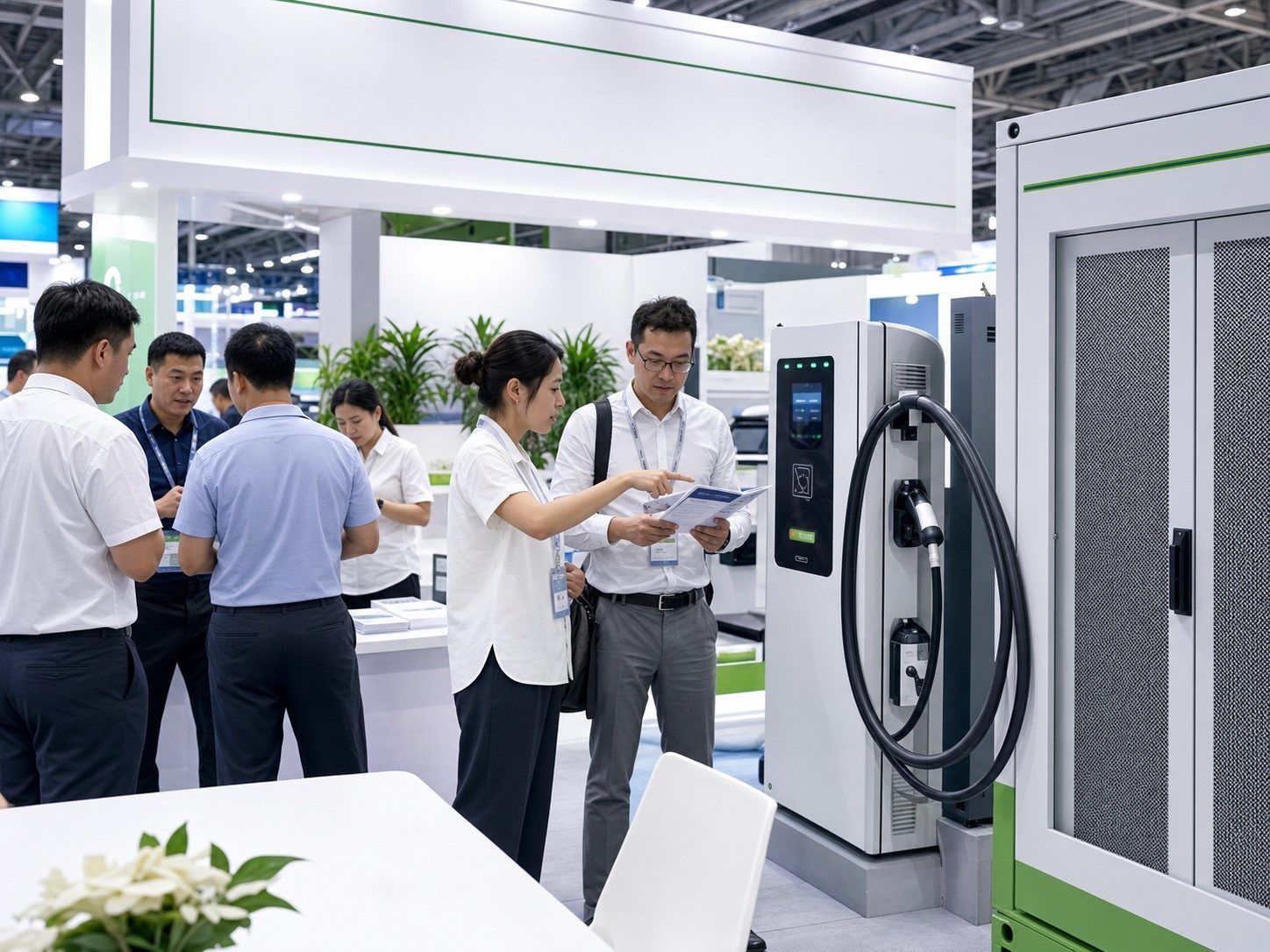
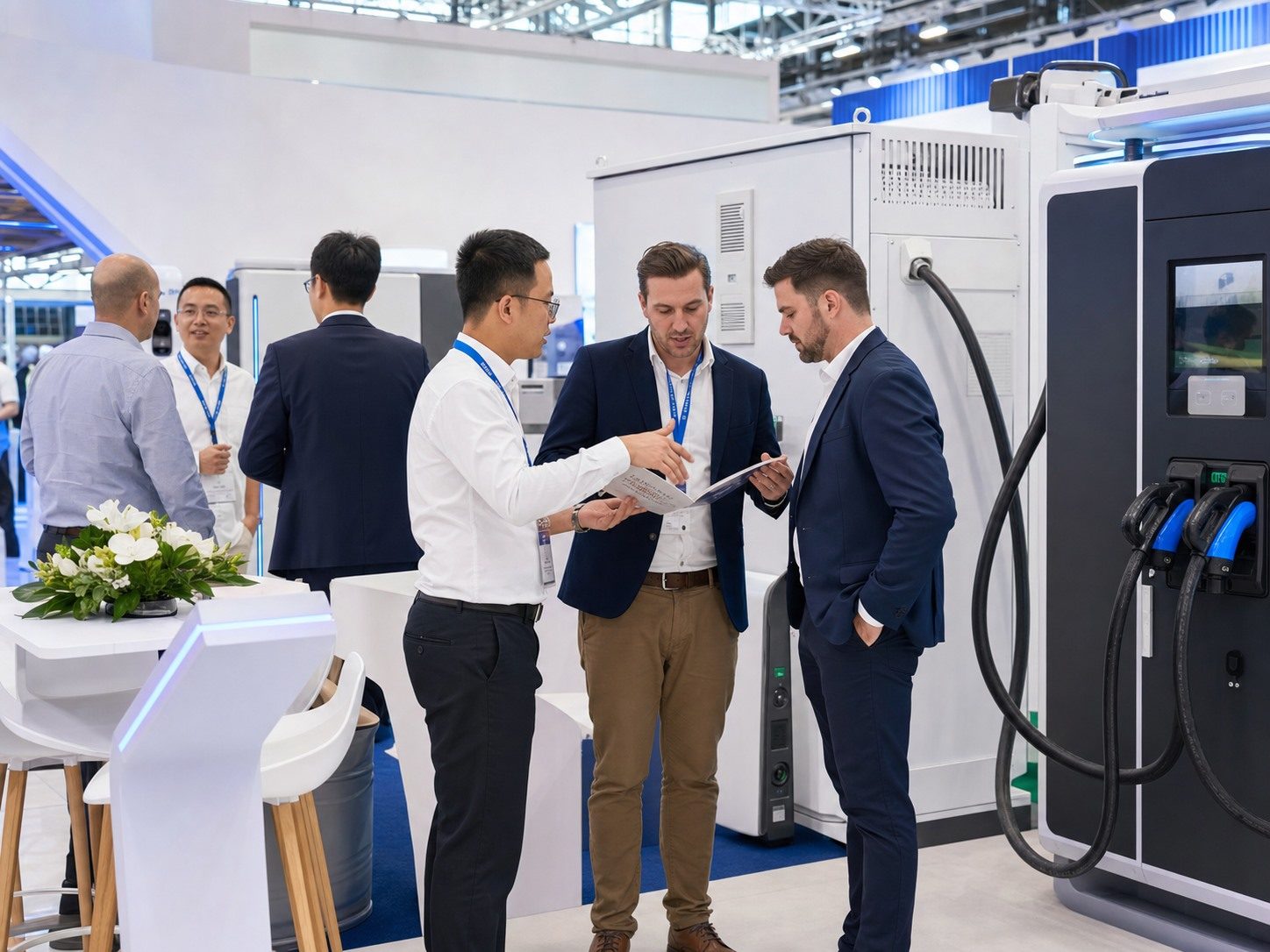

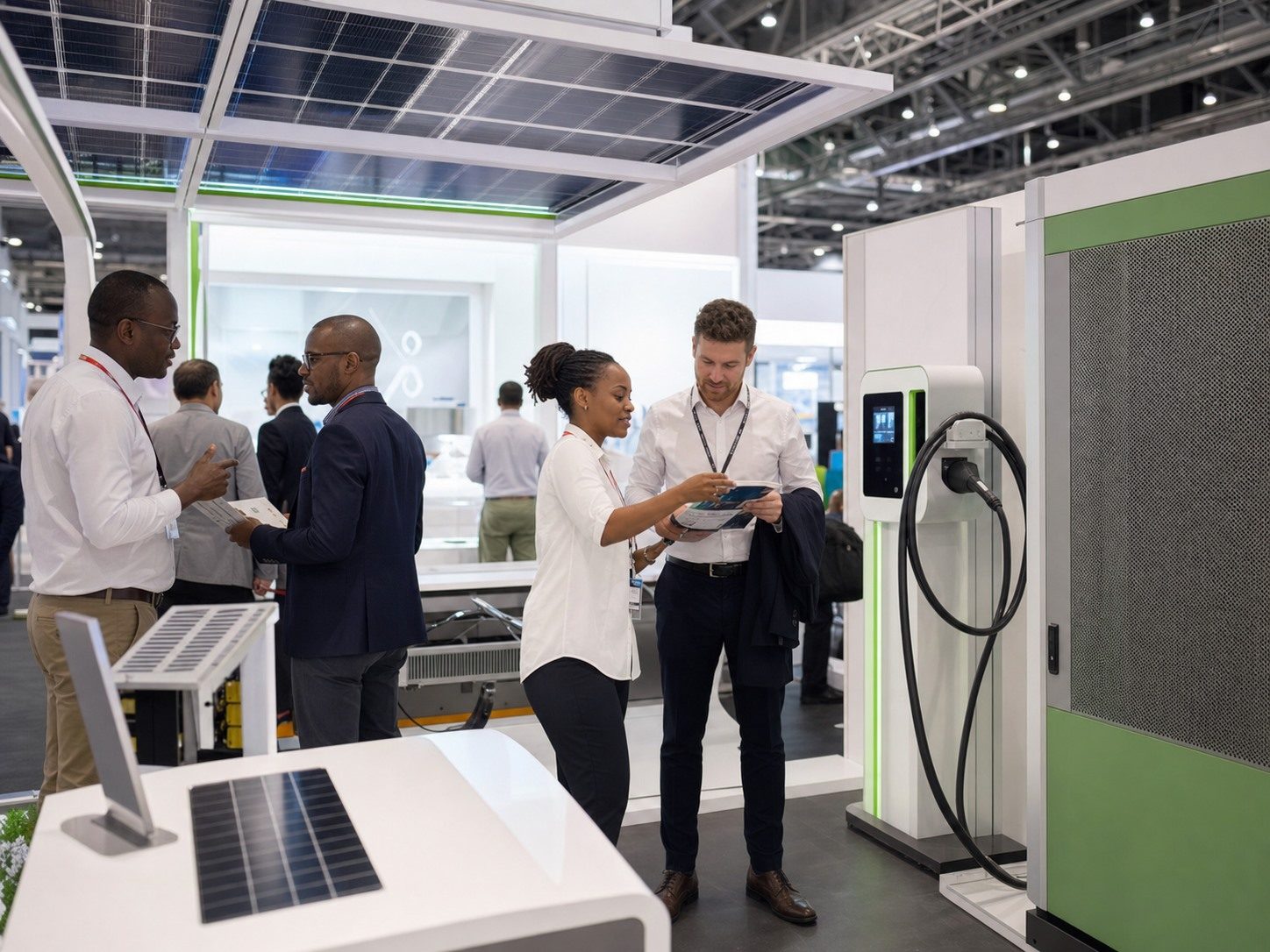
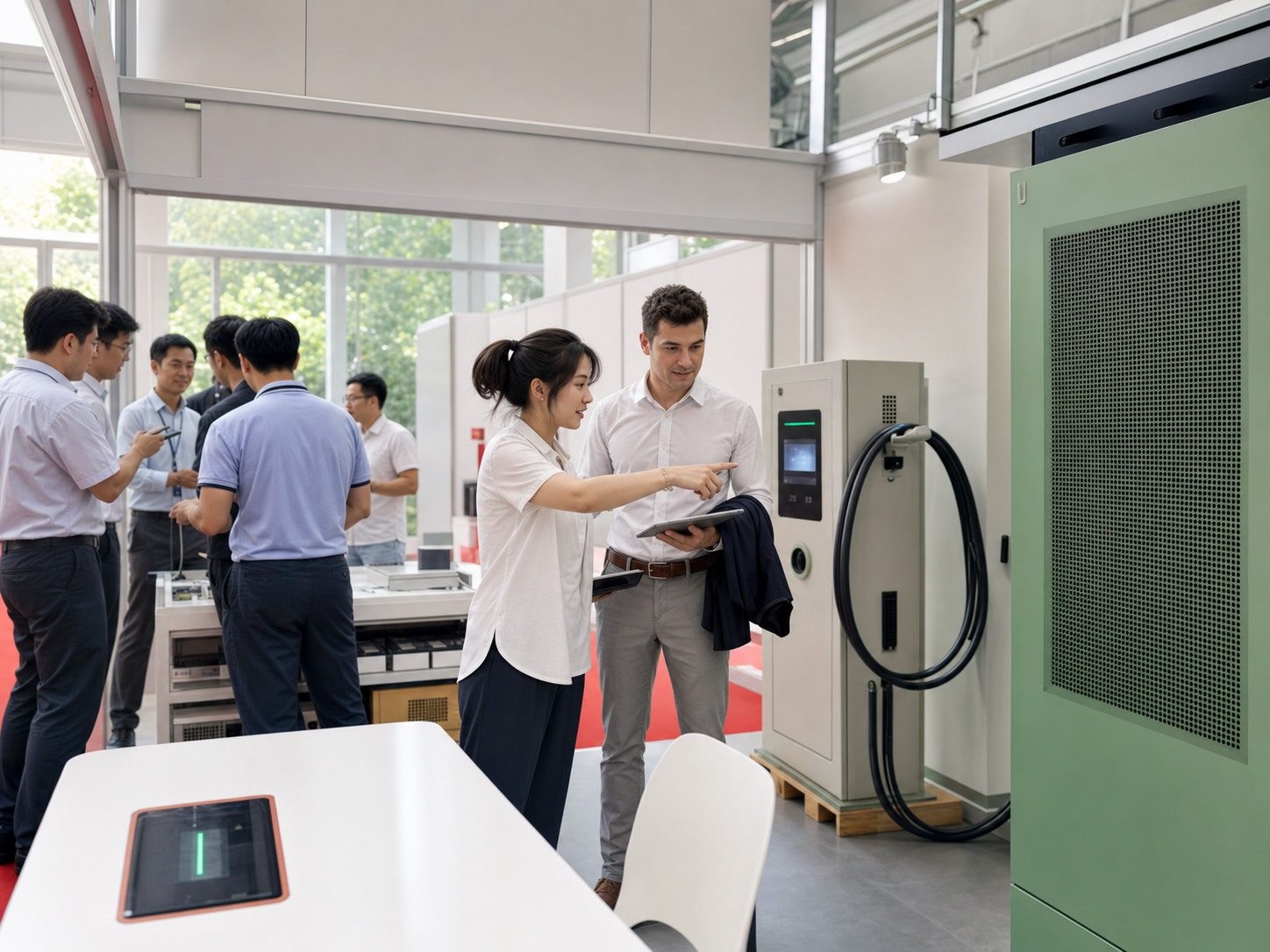
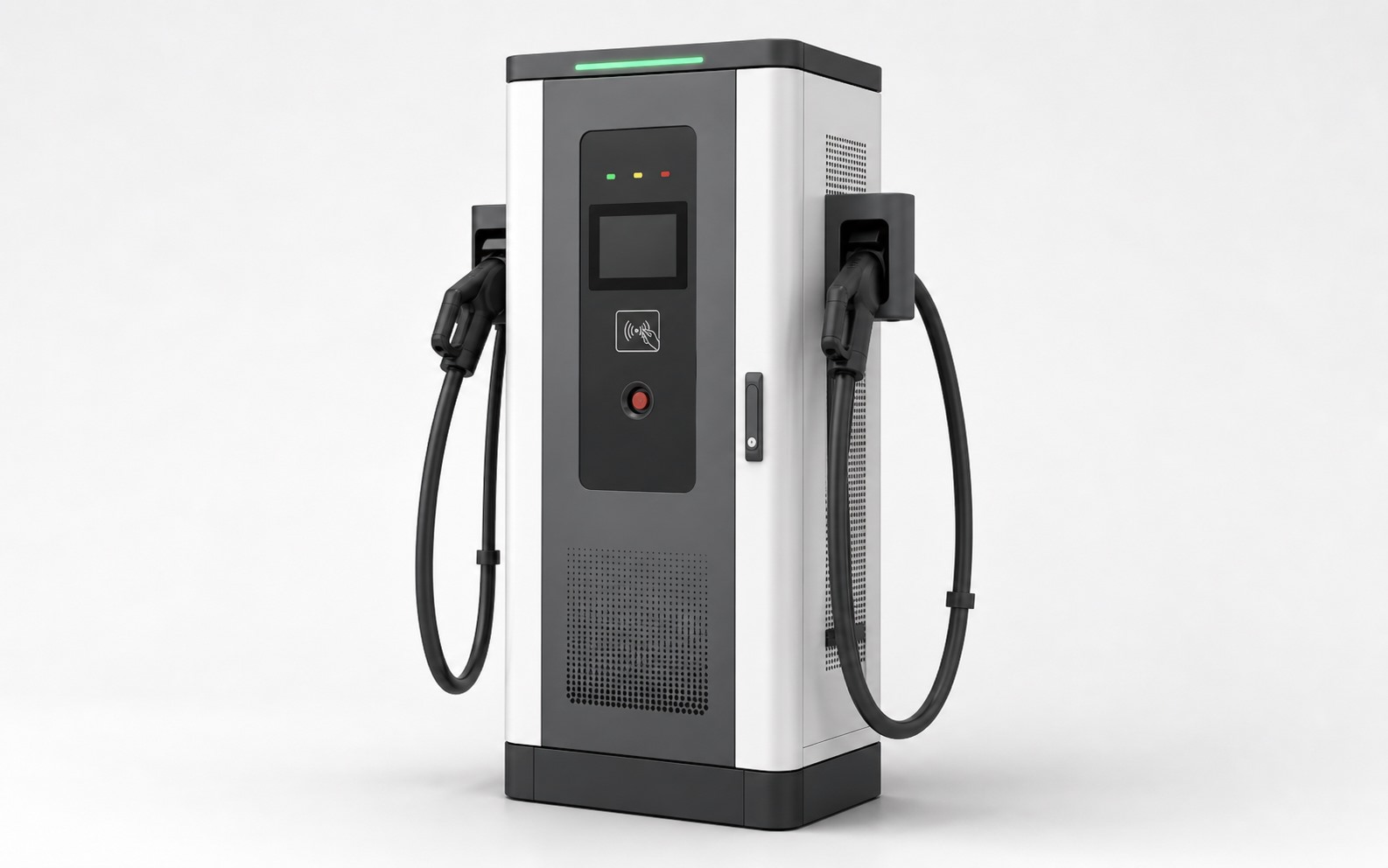
AFIR-Aligned Highway Hub Planning
Evaluate charger count, CCS2 power sharing, ad-hoc payment, OCPP, price display, operator data, accessibility, transformer capacity and optional BESS before selecting hardware.
Review the Germany project reference →From residential to MW-class V2G port projects — one supplier covers your entire roadmap.
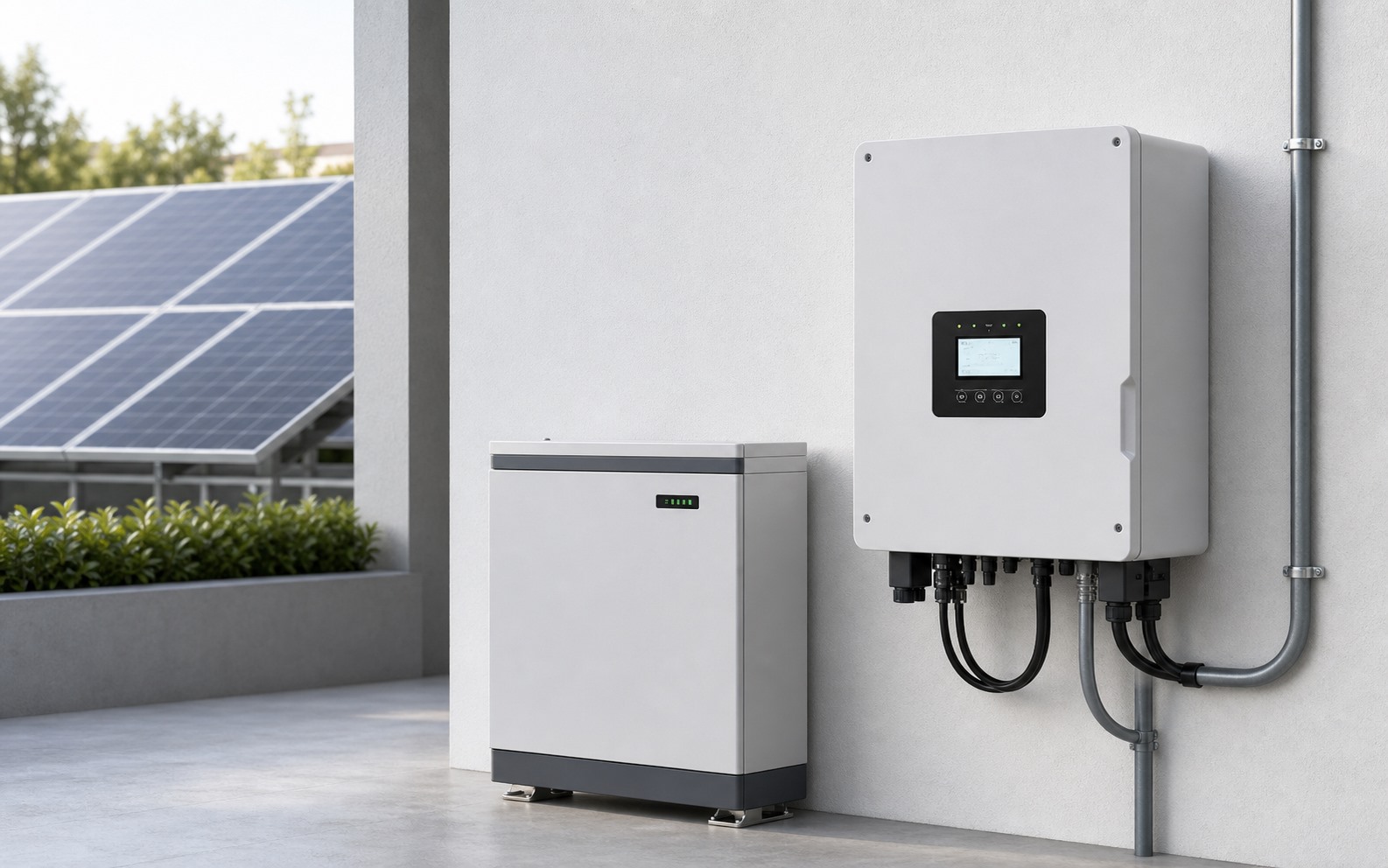
Start from the site use case, not from a product list. Commercial parking and hotels usually need many AC wallboxes plus a small number of DC fast chargers. Fleet depots need DC charging, load management and scheduled operation. Highway sites need higher-power DC chargers, payment and remote diagnostics. Weak-grid or solar-assisted sites may add battery storage as supporting infrastructure, but AC/DC chargers should remain the main procurement scope.
Plan AC wallboxes for dwell-time charging and DC fast chargers for high-turnover users.
Plan DC charging by route schedule, vehicle battery size, transformer capacity and OCPP/CSMS control.
Compare 150kW, 180kW, 240kW and higher DC chargers against grid capacity and traffic.
Use solar and battery storage only when the charging site needs peak shaving or grid reinforcement.
These details let SUNFULL match charger power, connector, OCPP/payment scope and supporting equipment to the real project instead of sending a generic catalog.
Hotel, mall, workplace, fleet depot, highway stop, CPO station or weak-grid project.
AC 7kW/11kW/22kW, DC 60kW/120kW/150kW/180kW/240kW or mixed layout.
Free charging, RFID, QR payment, POS terminal, OCPP/CSMS, app or operator reporting.
Country, grid voltage, connector standard, certification needs, quantity and delivery timeline.
Choose AC charging for longer parking time and lower installation cost. Choose DC charging when vehicle turnover and charging speed are the main project requirement.
Battery storage should support weak-grid, peak-shaving or solar-assisted charging sites. It should not replace clear AC/DC charger selection.
Send site type, available power, target charger mix, connector, OCPP/payment needs, country, quantity and timeline.

Hybrid 7-22kW AC + 60kW DC stations with multi-tenant billing, OCPP backend, and overnight load smoothing.

240-480kW liquid-cooled stations, paired with 500kWh-2MWh battery buffer to relieve grid pressure during peaks.

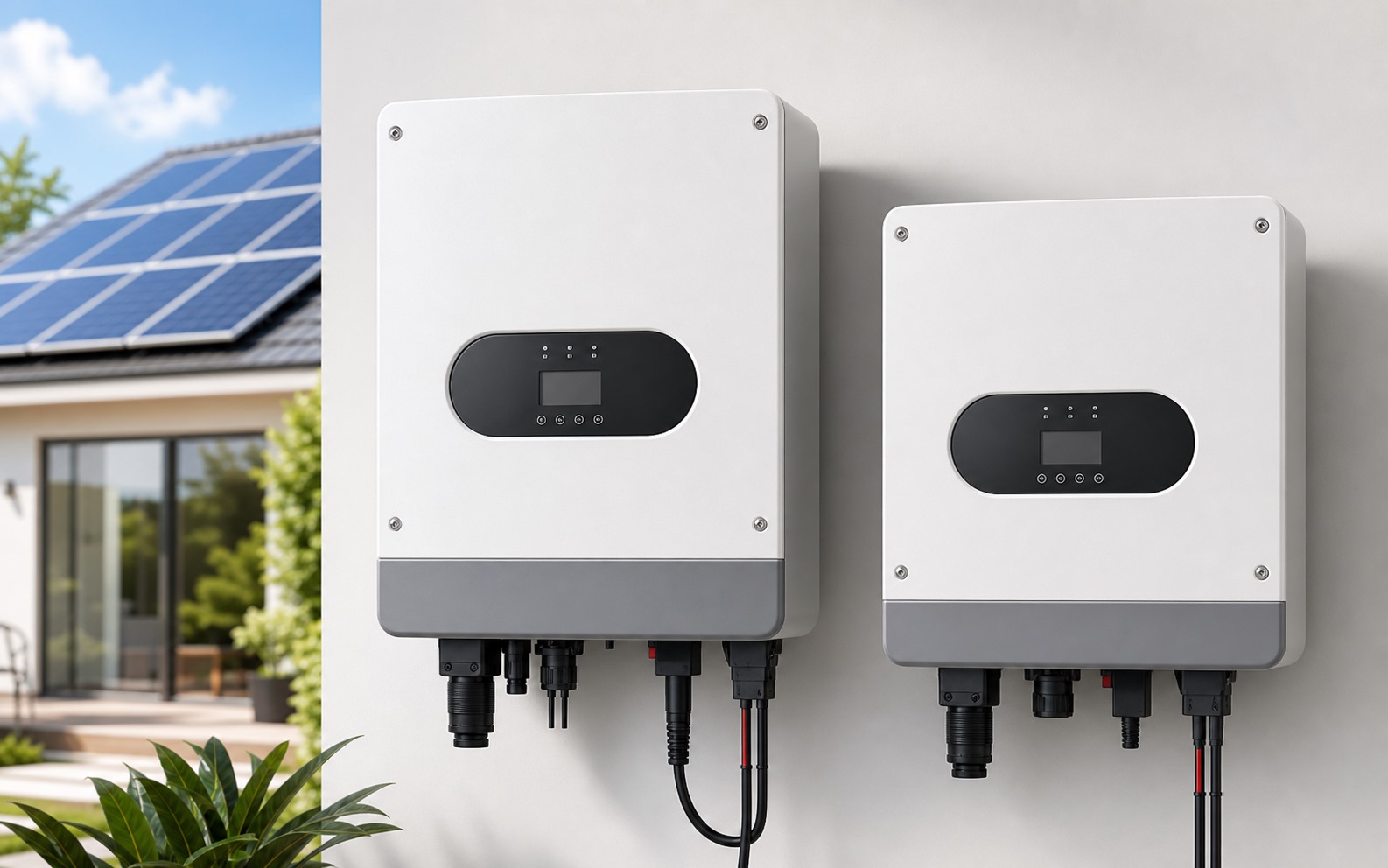
Hybrid inverter (5-10kW) + LiFePO4 stackable battery (15-35kWh) + 7-22kW EV wallbox in one integrated package.

120-360kW DC chargers with smart load management, sequenced charging, and depot energy management software.

PV + storage + diesel hybrid systems for telecom towers, mining sites, off-grid islands, and rural electrification.

Port and marine bidirectional charging requires vessel, shore interface, grid, protection and control-system review before hardware selection.
Indicative ranges based on 2025-2026 pricing for representative project sizes. Actual figures depend on local labor, civil works, utility fees, and incentives. Get a project-specific quote from our team.
| Solution | Reference Configuration | CAPEX (Hardware) | Annual Savings / Revenue | Simple Payback | Spec |
|---|---|---|---|---|---|
| Commercial Parking & Mall | 8 × 22kW AC + 2 × 60kW DC, OCPP backend | €42-65k | €18-28k/yr | 2.1 yr | View |
| Highway Supercharger Hub | 4 × 240kW dual-gun, 500kWh battery buffer, payment terminal | €487,000 | €220-380k/yr | 1.7-2.5 yr | View |
| Residential Solar+Storage+EV | 10kW hybrid + 20kWh battery + 22kW wallbox + 12kWp PV | €18-25k | €3.2-5.6k/yr | 4.0-5.5 yr | View |
| Bus / Truck Depot | 8 × 120kW, smart sequencing, 600 kVA transformer | €340-480k | €150-250k/yr (vs diesel) | 1.8-2.6 yr | View |
| Off-Grid Microgrid | 20kW PV + 100kWh BESS + 15kW hybrid + diesel backup | €48-72k | €16-24k/yr (diesel offset) | 2.5-3.8 yr | View |
| Marine V2G / Port Pilot | 1 × 800kW bidirectional + container BESS, ISO 15118-20 | €650-980k | €180-340k/yr (energy + ancillary services) | 2.5-4.0 yr | View |
CAPEX = hardware ex-works only. Civil, installation, permitting and grid-connection fees additional. Savings/revenue assumes typical utilization and local energy / fuel prices in 2025-2026 reference markets.
These are illustrative system-planning examples, not customer deployment or financial-performance claims. Final equipment, compliance, capacity and return depend on verified site inputs.
From discovery to lifecycle service. Typical lead time 14-22 weeks depending on configuration and shipment.
Site visit (or remote with photos & drone), single-line diagram, load profile analysis, customer requirements workshop. Output: technical scope & budget envelope.
Detailed BOM, electrical & civil drawings, grid-code applicability review (NRS 097/AFIR/AS 4777 where relevant) and local-permit responsibility mapping. Output: signed proposal & PO.
Production schedule, Factory Acceptance Test scope, witness method and signed QC records are confirmed for the purchase order.
Sea / air freight, customs clearance (DDP available), installation by customer's electrician with our remote / on-site engineering support, OCPP backend integration, end-to-end charging tests, operator training.
24-month standard warranty, optional 5-year extended. Quarterly health-check via OCPP backend, annual on-site inspection (optional), technical support channel, spare parts depot.
We have local certifications, references, and grid-code support in these markets.
NRS 097-2-1 applicability for the grid-tied inverter interface, with charger hardware reviewed separately. Solar and storage options are sized from verified loads and utility requirements.
Hybrid inverters compatible with NEPRA net-metering. Pre-built kits for residential rooftop & SMB. Local distributor partnership program.
VDE-AR-N 4105 inverter files are confirmed by model. DC charging projects review payment, OCPP, price display, data and operator scope against AFIR requirements.
ISO 15118 PnC + V2G-ready chargers. Maritime V2G systems for Rotterdam port pilot. Renault Megane V2G compatibility.