Type 2 route
A Type 2 EV charger route is common for Europe and many export projects. Confirm socket or tethered format, cable length, phase, local installation practice and destination document requirements.
Factory supply of AC wallbox, pedestal and smart charging options for commercial parking, workplace, hotel, distributor and private-label buyers.
Request a quote for the models below. Pricing depends on configuration, quantity, destination, certificate scope and delivery term.
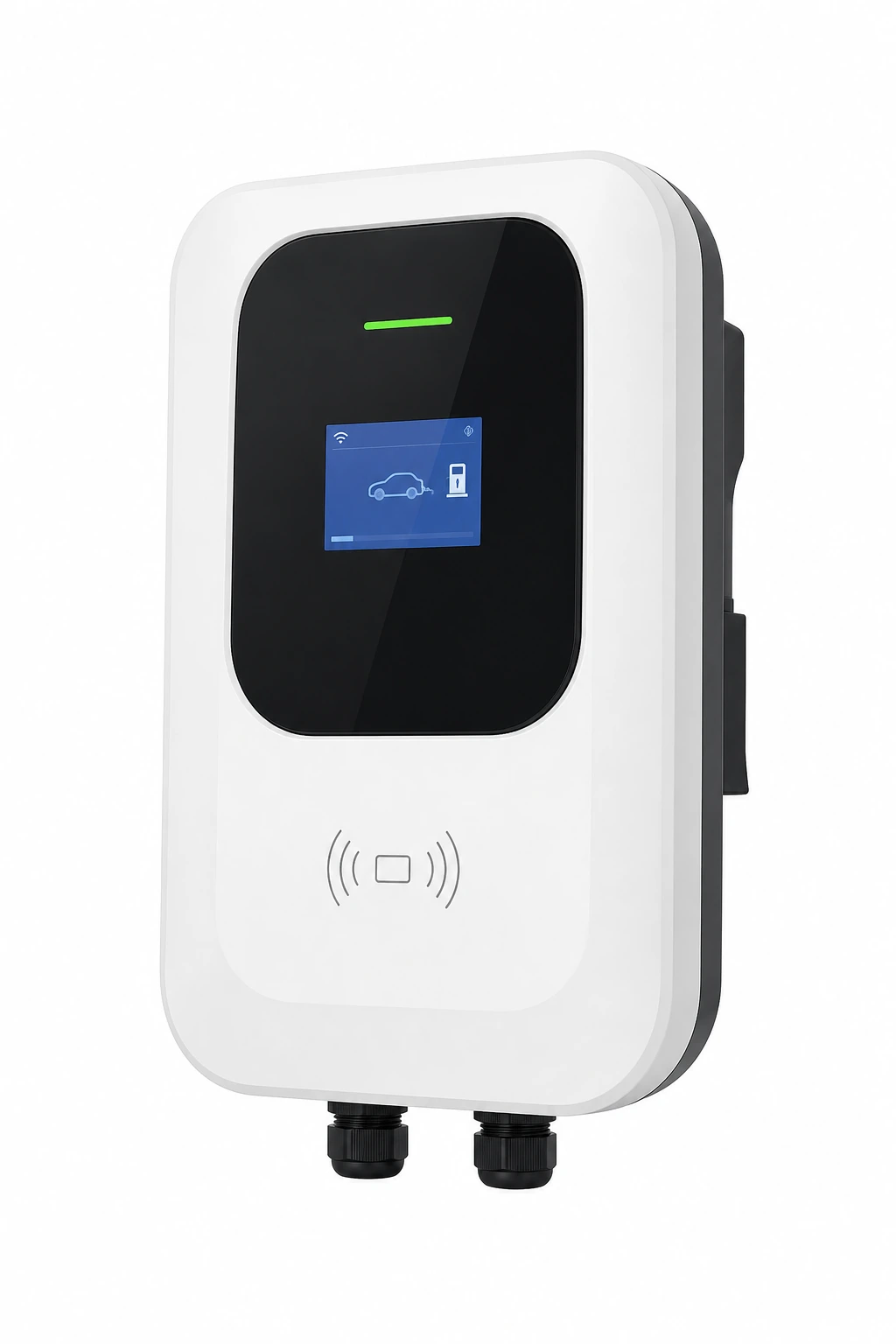
Single-phase SF-EA configuration with RFID access for long-stay parking and wall or pedestal installation.
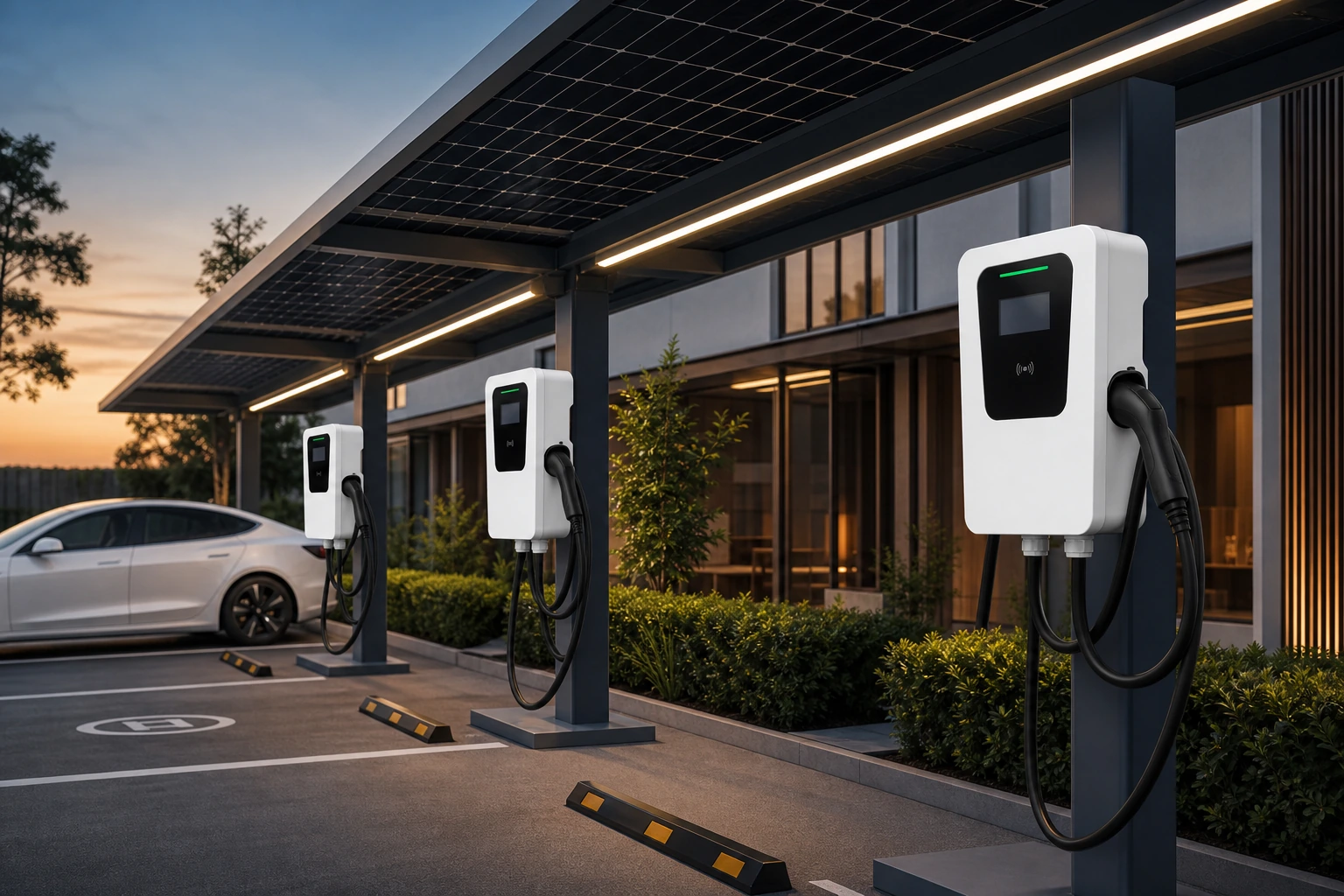
Compare 11kW and 22kW three-phase requirements; select the SF-EA configuration around vehicle capability and available supply.
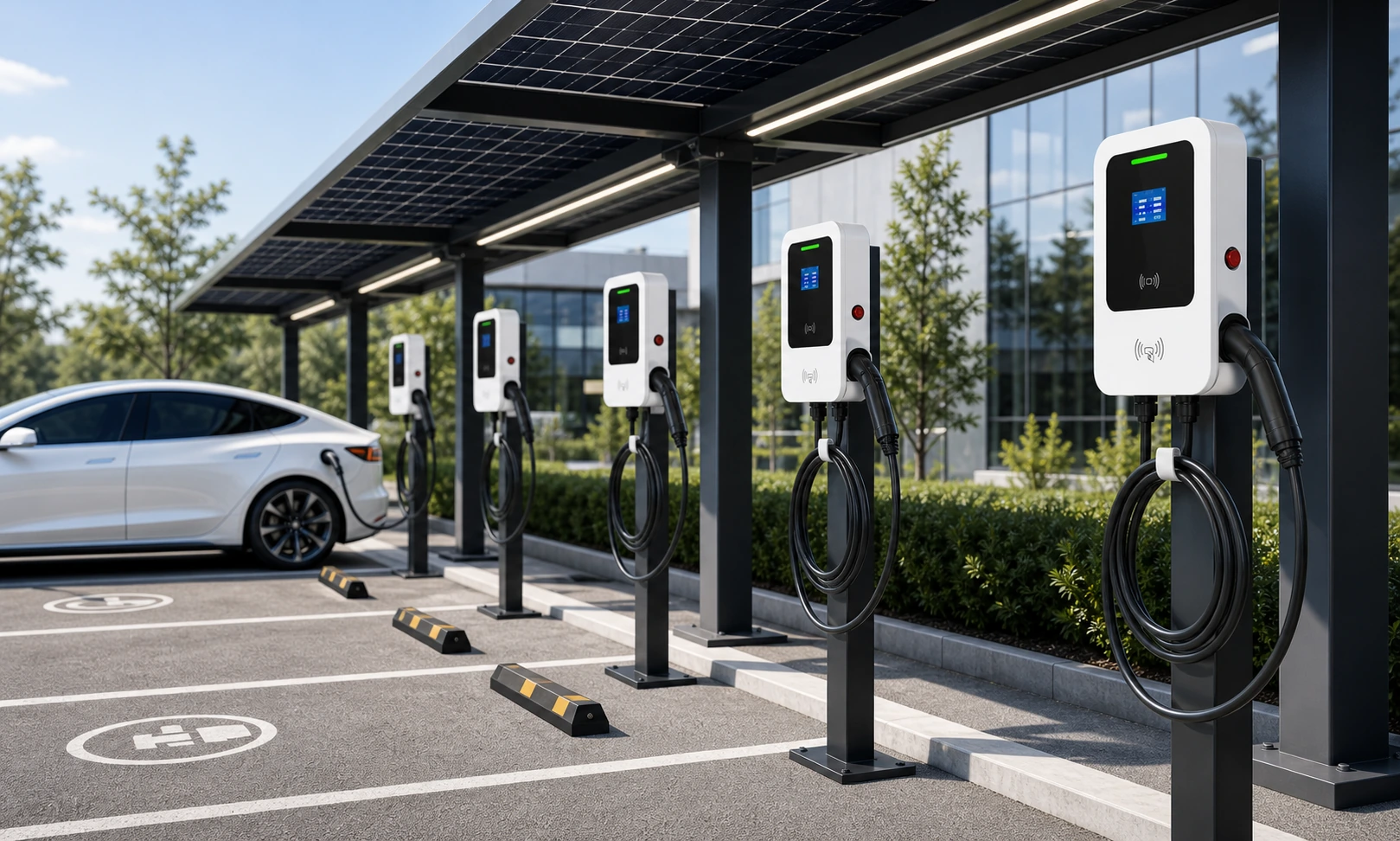
Three-phase SF-EA model with 16A input; specify optional OCPP 1.6J for your chosen backend.
We will recommend 7kW, 11kW or 22kW AC wallbox options and confirm certificate scope before quotation.
Tell us the power level, connector, OCPP/RFID requirement, target country, quantity and OEM scope. We will match the right 7kW, 11kW or 22kW AC charger model and confirm documents before sampling.
Still comparing options? Start with your country, approximate quantity and parking type. We can help you choose the power and configuration.
Useful RFQ details: charger type, power, connector, OCPP/payment needs, market, quantity, OEM and delivery time.
An AC charger manufacturer needs the site power, installation format, connector, user-access method, OCPP or app requirement, OEM scope, destination market and quantity to select a 7kW, 11kW or 22kW platform. Model availability, documentation and destination-market compliance must be confirmed per model/project before an evaluation or batch order.
Confirm available phase and grid input, parking dwell time, wall or pedestal format, socket or tethered cable.
Define RFID, app, OCPP, network and load-management needs.
Choose the connector and cable approach from the target vehicles and local installation habits.
State logo, label, packaging, manual language and required evidence; confirm per model/project. Available model-specific files can be shared privately with qualified project buyers after the configuration and destination market are confirmed.
Most AC charger RFQs should not start with only "7kW or 22kW". The useful comparison is parking time, grid phase, connector standard, software requirement, installation format and OEM scope.
| Model and product details | Listed input supply | When to compare this option |
|---|---|---|
| 7kW EV charger SF-EA-7kW | 220VAC ±15%, 32A L+N+PE | Single-phase sites with longer parking windows. |
| 11kW EV charger SF-EA-11kW | 380VAC ±15%, 16A 3P+N+PE | Three-phase parking where 11kW matches the vehicles' AC charging capability and site allocation. |
| 22kW EV charger SF-EA-22kW | 380VAC ±15%, 32A 3P+N+PE | Projects where both the vehicles and available supply can make use of 22kW AC charging. |
These named SF-EA models include RFID access and a 4.3-inch LCD. OCPP 1.6J is optional. Follow each product link for its dimensions, operating conditions and configuration details; the vehicle and site still determine the actual charging rate.
| Project type | Recommended AC charger | Key checks before RFQ | Best next page |
|---|---|---|---|
| Hotel, apartment, staff parking | 7kW single-phase AC wallbox, Type 2 or Type 1 by market | Overnight parking time, wall or pedestal mount, cable length, RFID/app access, branding and local plug standard. | 7kW AC wallbox |
| Workplace and commercial parking | 11kW or 22kW three-phase AC charger with OCPP option | Three-phase supply, load balancing, OCPP/CSMS, RFID user control, meter accuracy and enclosure rating. | 11kW/22kW wallbox |
| Public destination charging | 22kW floor-stand or dual-port AC charging station | Pedestal layout, payment workflow, QR/RFID, signage, cable management, vandal resistance and maintenance access. | 22kW floor-stand AC |
| Distributor catalog or OEM program | 7kW-22kW white-label AC wallbox series | Logo, label, packaging, manual language, app/OCPP defaults, sample order, MOQ and export document scope. | OEM AC wallbox |
| Parking site with short stays | Mixed AC chargers plus selected DC fast chargers | Parking dwell time, vehicle turnover, grid capacity, charger count, payment system and whether DC upgrade is needed. | AC vs DC charger guide |
A 7kW AC charger is normally reviewed for single-phase projects and long dwell times. An 11kW or 22kW wallbox generally needs three-phase supply and is useful when vehicles have shorter parking windows or the operator wants more energy delivered per session. The vehicle's onboard charger still limits the actual AC charging rate.
For multi-charger sites, send the incoming service, existing peak load, number of bays, expected arrival and departure windows, simultaneous-use assumption and expansion plan. This determines whether fixed limits, dynamic load management or a mixed AC/DC layout should be reviewed.
A Type 2 EV charger route is common for Europe and many export projects. Confirm socket or tethered format, cable length, phase, local installation practice and destination document requirements.
Review target vehicles, current and voltage, tethered cable needs, local codes and whether the requested power aligns with the vehicle market.
Confirm vehicle inlet, site supply, cable configuration, language, backend and the exact destination or fleet requirement before model selection.
A socket offers cable flexibility; a tethered unit simplifies daily use. Compare cable management, replacement, vandal risk, accessibility and operator preference.
Best when a suitable wall, short cable route and protected parking position are available. Confirm mounting surface, clearances and impact risk.
Useful for open parking and paired bays. Review foundation, cable reach, bollards, drainage, signage, lighting and maintenance access.
Share temperature, rain, dust, salt exposure, direct sun and impact conditions; confirm enclosure and installation requirements for the selected model.
Coordinate mounting height, reach range, parking layout, cable weight and local accessibility rules with the site designer and installer.
“Smart charger” can describe very different functions. Write the required user journey and backend workflow so the quotation covers the same scope.
Confirm protocol version, backend owner, charger registration, meter values, remote commands, alarms, firmware and the required acceptance test.
Define local whitelist or backend authorization, card ownership, offline behavior, employee or tenant grouping and lost-card handling.
State whether Wi-Fi, Ethernet or cellular service is needed, who provides connectivity, and whether the app is consumer-facing, installer-facing or branded.
Provide service capacity, building load source, charger count, meter or CT location, allocation rules and the expected behavior if communication is lost.
For commercial parking, define free access, membership, QR, POS or backend payment and identify which payment services must be supplied locally.
List session records, energy data, user or site grouping, export format, tariff logic and retention needs before selecting the platform.
Agree alarm notification, diagnostic logs, reset, firmware process and the information required before a support case is opened.
Plan backend connection, authorization, charging session, meter values, stop event, fault alarm and recovery tests for the selected configuration.
Use a defined charger limit or verified load-management design based on the measured building supply and simultaneous charging plan.
Match vehicle inlet, destination market, socket/tethered format, cable length and phase before approving the label and packaging.
Freeze OCPP, network, authorization, meter and payment scope, then test the actual CSMS workflow before a volume order.
Request model-specific technical and compliance files early enough for the importer, installer and local authority review.
Check mounting, cable entry, protection, earthing, network, pedestal, bollard and parking geometry before site preparation.
Approve logo, nameplate, color, screen, app, manual, carton and accessory scope against one controlled sample configuration.
Agree serial or batch reference, logs, photos and configuration information required for remote diagnosis and replacement decisions.
Ask suppliers to quote the same power, connector, communication, accessories, document, spare-part and delivery-term scope.
Long dwell time favors AC charging; review guest access, RFID or payment, cable handling, parking allocation and overnight load.
Hotel charging guidePlan assigned or shared bays, tenant authorization, metering, service capacity, load management and future charger expansion.
Residential routeDefine employee access, charging windows, fair load allocation, reporting, reimbursement and after-hours use.
Workplace RFID chargerReview pedestal or wall layout, dual-port need, user journey, payment boundary, signage, maintenance and mixed AC/DC requirements.
Commercial charging routeSome technical, test and compliance files are shared directly after the model, connector, software option and destination are confirmed.
Power, current, phase, connector, cable, enclosure, communication, access and installation options for the shortlisted model.
Request datasheetAvailable outline, mounting, cable-entry, electrical and pedestal information for site and installer review.
Request installation filesState the backend, authorization, network, payment and load-management workflow so the relevant test scope can be discussed.
Request integration reviewSend the destination, model and required standard or tender item for applicability confirmation.
Review document processStart with one approved hardware and software platform. Freeze power, connector, enclosure, communication, access method, screen or indicator behavior, label, manual, packaging and accessories before a volume order. Customization availability, evaluation quantity, volume quantity, lead time and tooling are confirmed in the current quotation.
For mixed 7kW, 11kW and 22kW orders, agree the model, connector and accessory list for each carton. Request packed dimensions and gross weights for freight planning, and confirm whether pedestals or cable organisers ship separately.
Tell us whether you need one delivery or phased shipments. Keep the approved configuration, label and manual language with each order so the next batch matches the version your team evaluated. Quantities and dispatch timing are agreed in the quotation.
Keep the model and serial reference, configuration record and installation information together. If you need assistance, share the displayed message, relevant photos and the operating steps that led to it. For connected chargers, include the backend and network details.
Mounting or pedestal location, protection, earthing, cable route, network, parking clearance, drainage and impact protection.
Power limit, phase, connector, network, OCPP endpoint, RFID or app settings and load-management parameters.
Startup, authorization, charging session, stop, meter reading, alarm, offline behavior and backend communication where included.
User instructions, admin access, card management, logs, routine inspection, cleaning, cable care and support information.
Model, power, phase, connector, cable, enclosure, serial or batch reference, label and approved branding.
Agreed startup, protection, authorization, charging and stop functions for the selected configuration.
Network, OCPP, RFID, app, load management or payment workflow included in the order and acceptance plan.
Approved option list, available installation information, manual and label scope, packing list and required document set.
Send phase, voltage, available charging load, charger count, parking duration, cable route and expansion plan to compare 7kW, 11kW and 22kW options.
Define plug-and-charge behavior, RFID, app, QR or POS, free or paid access, employee or tenant groups, offline behavior and operator reporting.
State OCPP version, CSMS, network, meter or CT, load-management rules, remote commands, alarms and the acceptance tests required.
List datasheet, installation, manual, label, test and compliance information needed for the selected model, software option and destination.
These guides help buyers compare AC charging with DC fast charging and prepare a clearer RFQ for commercial projects.
Use this guide to decide whether your site needs AC wallboxes, DC fast chargers or a mixed charging layout.
Compare Type 2, J1772, CCS2, CCS1, NACS, CHAdeMO and GB/T connector requirements by destination market.
Review when AC chargers need backend monitoring, user authorization, payment integration or fleet reporting.
Plan OCPP, RFID, QR payment and multi-site charger management before confirming smart AC charger specifications.
Send the parking type and dwell time, phase and voltage, charger count, connector and cable format, OCPP/RFID/app/load-management needs, destination, quantity, branding and required files. SUNFULL will return the next model and document questions for quotation.
You do not need every technical answer to contact us. Share your country, quantity and intended use first, then add the details you already know.
Request Quote Get AC Charger Catalog on WhatsAppBuyers sometimes use the phrase “EV level 2 charger” when comparing AC wallboxes. A level 2 EV charging station should still be selected by local supply, vehicle acceptance, parking dwell time, access workflow and the number of bays—not by one power label alone.
Start with 7kW when vehicles remain parked for many hours and the site wants to control circuit demand across more bays.
Review 11kW or 22kW only after confirming three-phase availability, vehicle onboard-charger limits and the intended simultaneous load.
Freeze connector, cable or socket, RFID, OCPP, network, load management, mounting and model-specific document needs before comparing quotations.