Residential AC EV Charging with 7kW and 22kW Wallbox
Residential EV charging solution centered on 7kW, 11kW and 22kW AC wallboxes, with optional solar surplus or storage coordination for weak-grid and home-energy projects.
What should residential EV charging buyers quote first?
Short answer: Residential charging should quote the AC wallbox first: 7kW for single-phase home use and 11kW or 22kW for three-phase villas, apartments and residential developments. Solar and storage can support weak-grid or surplus-charging scenarios, but they should not replace the AC charger as the main procurement decision.
7kW, 11kW and 22kW AC wallboxes with Type 2 or local connector options.
Solar surplus charging, app control, OCPP and storage coordination can be added by project need.
Send voltage, connector, quantity, installation type, OEM branding, certificate needs and market.
Should residential projects start with AC wallbox or DC fast charging?
Most residential projects should start with 7kW or 22kW AC wallboxes because vehicles park for several hours. DC fast charging is usually unnecessary unless the site has high-turnover commercial use.
When is solar or storage relevant for home EV charging?
Solar or storage is optional. It is useful when the buyer wants surplus-solar charging, backup power or weak-grid support, but the core product remains the AC wallbox.
What should installers send for a residential AC charger quote?
Send country, voltage, connector, 7kW or 22kW power, mounting method, OCPP/app needs, quantity, branding scope and certificate requirements.
The Challenge
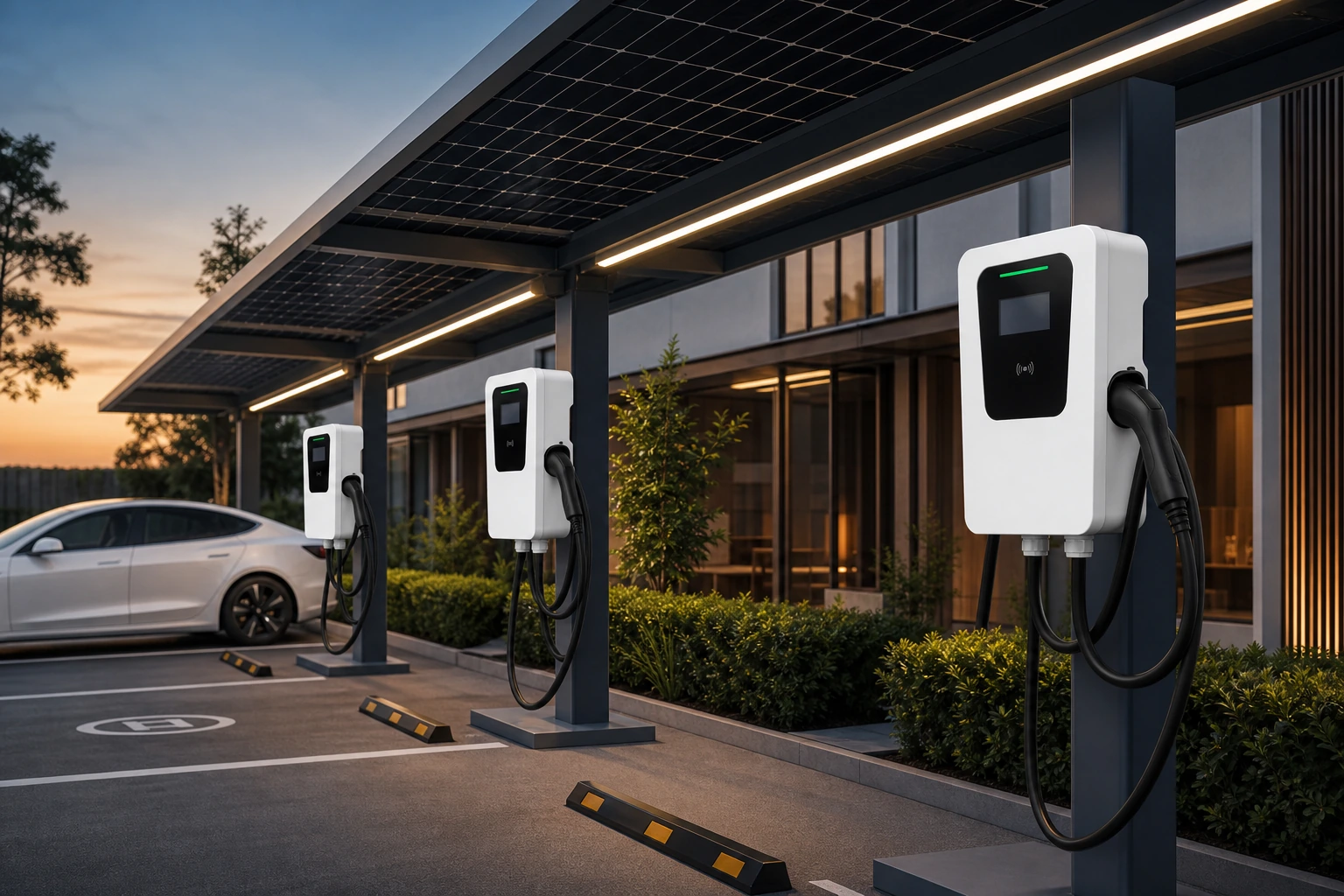
Residential buyers often compare too many products at once: wallbox, app, OCPP, solar surplus charging, storage and backup power. For SEO and procurement clarity, the first decision should be the AC charger: 7kW for single-phase homes and 11kW or 22kW for villas, apartments or three-phase residential developments. Solar and battery storage are useful only when the site needs surplus charging, weak-grid support or backup.
For installers and distributors, the quote should also separate private-home models from small commercial residential programs. A private home may only need app control and a Type 2 cable, while an apartment or villa community may need RFID, OCPP reporting, load management, user labels, spare parts and repeatable packaging for multi-site rollout.
Our Approach
- AC wallbox first: Select 7kW, 11kW or 22kW AC charging by voltage, parking time and installation budget before adding solar or storage accessories.
- Smart control by project: Use app control for private homes and OCPP/RFID when the same charger family is used for apartments, hotels or residential developments.
- Solar surplus as an option: Add solar surplus charging only when the buyer can provide inverter, meter or EMS details; otherwise keep the charger RFQ simple.
- Storage as weak-grid support: Battery storage is positioned as auxiliary support for backup or weak-grid markets, not the main SEO focus of this residential EV charging page.
Recommended Products
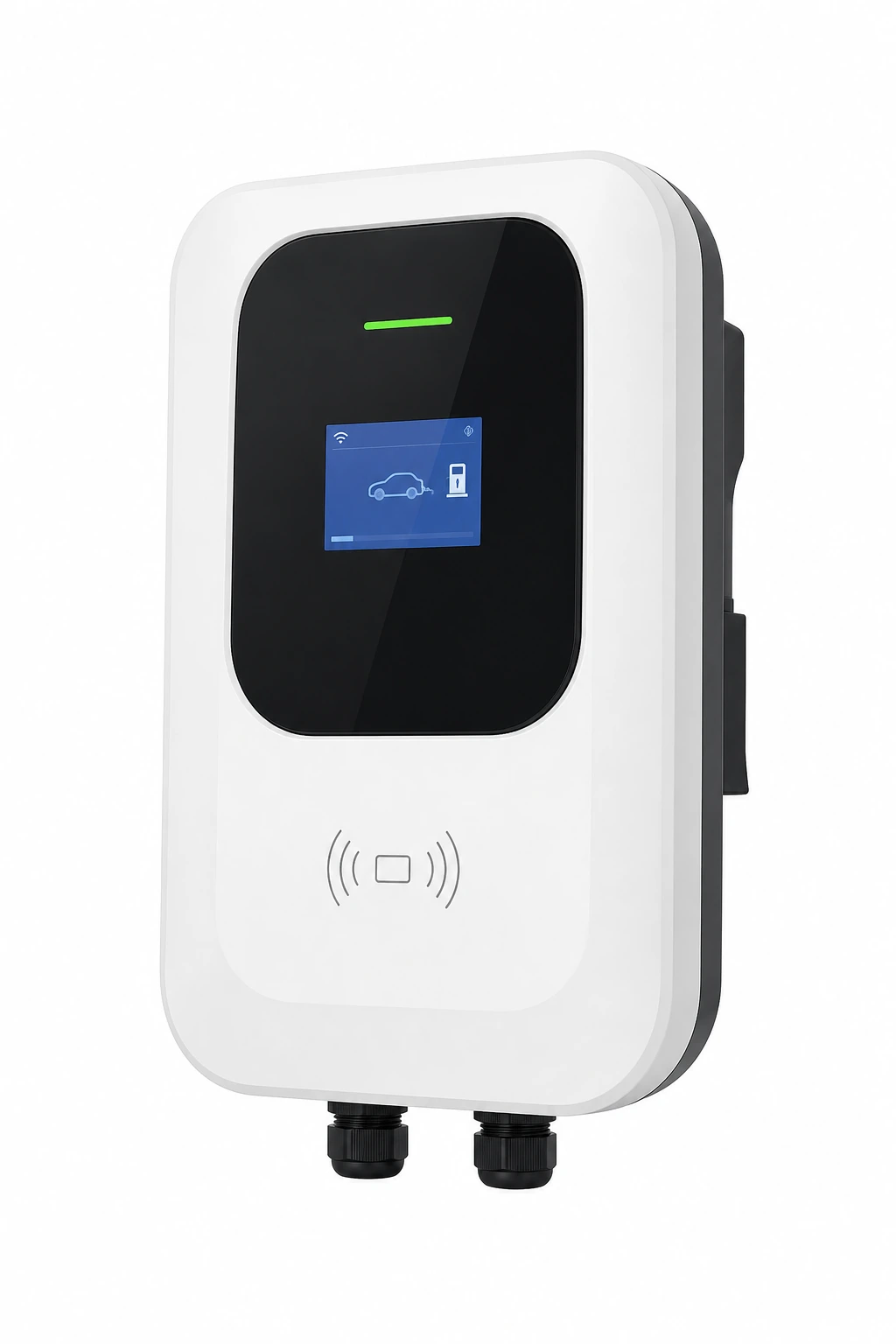
7kW Smart AC Wallbox
Single-phase home charging, app/OCPP options
11kW / 22kW Type 2 Wallbox
Three-phase residential, villa and apartment projects
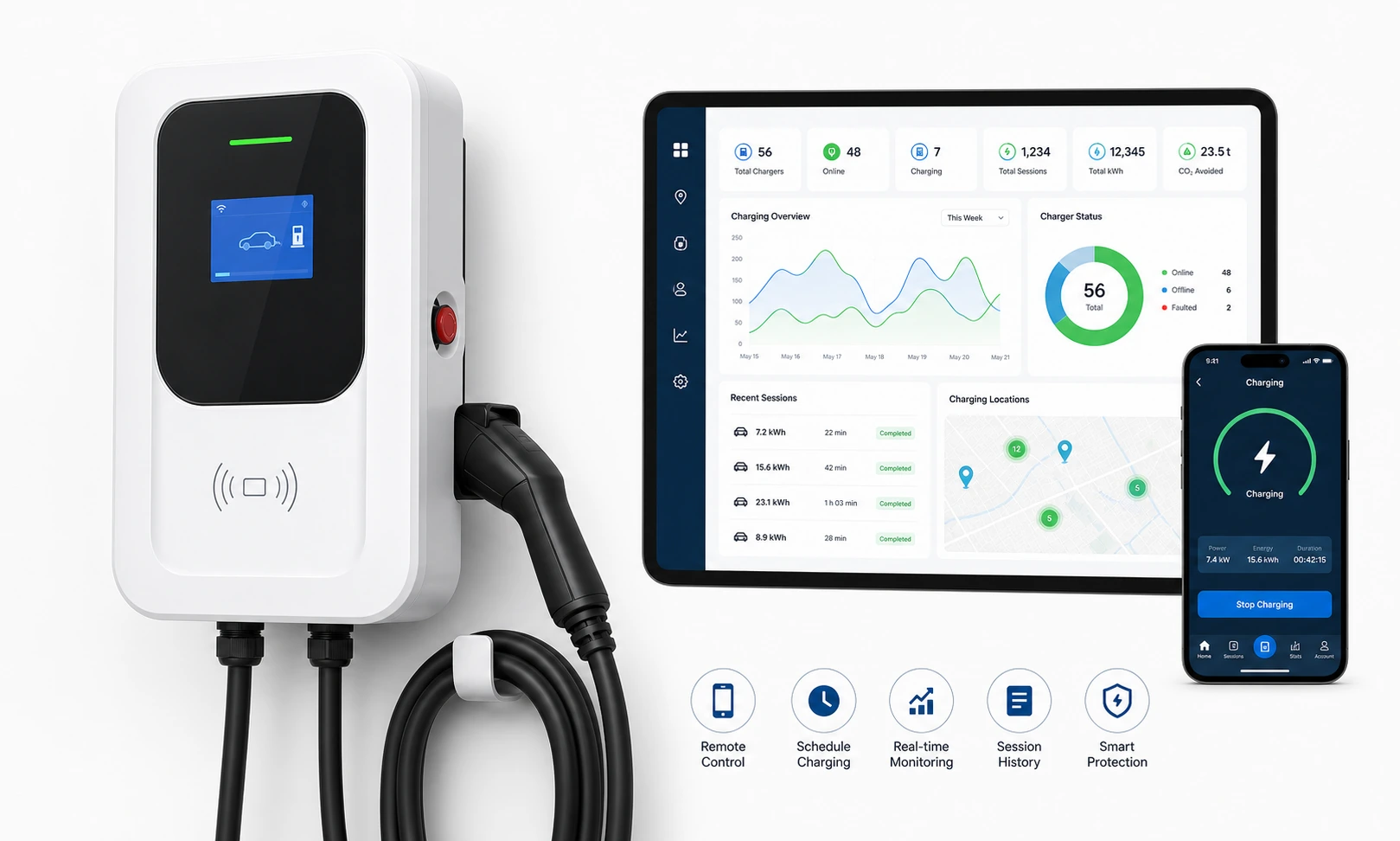
22kW Smart AC Charger
OCPP, RFID or app control for residential developments
Case Reference
4kWp solar + 5kW hybrid inverter + 10kWh LiFePO4 + 22kW wallbox. EV charged entirely from solar surplus in 8 months of the year. Grid electricity bill reduced 78%. Load-shedding no longer affects the household.
FAQ
Can I add the battery and EV charger to my existing solar system?
In most cases yes, if your existing inverter has a battery port or if you replace the inverter with our hybrid model. We offer free compatibility assessment - just share your current inverter model.
How do I ensure the EV charger only uses solar power?
The wallbox communicates with the inverter via OCPP or a simple dry contact signal. You set a surplus threshold and the charger activates automatically. No solar energy is wasted to the grid at low feed-in tariff.
What happens to my EV charging when there is no sun?
The system falls back to battery first, then grid. You can schedule grid charging at off-peak tariff times via the app. The EV is always ready the next morning.
Is the 5kWh battery enough for a typical home plus EV?
For an average European home (4,000kWh/year) with a 4kWp solar array, a 10kWh battery covers over 80% of evening demand without grid import. We recommend starting with 10kWh and adding modules if needed.
Ready to Start Your Project?
Send us your site plan or power requirements and we will prepare a complimentary system design within 2 business days.
Get Free System Design