Highway DC Fast Charger Hub Solution
High-power DC charging hubs for motorway service areas and transport corridors. 240-480kW liquid-cooled chargers paired with BESS buffer to eliminate expensive grid upgrades.
What DC charger power should a highway site choose?
Highway charging should be planned around traffic, grid capacity, target dwell time and vehicle charging capability. A 150kW DC fast charger is often a practical starting point for service areas and public charging stations. 180kW and 240kW chargers can be justified where traffic is stronger and the grid connection can support higher output. Payment, OCPP/CSMS, remote diagnostics and connector layout should be defined before a final quotation.
150kW highway charger
Good balance for many public and highway sites where cost and grid capacity matter.
180kW to 240kW charger
Useful for higher-traffic corridors and stations that need faster sessions.
Connector layout
Confirm CCS2, CCS1, CHAdeMO or GB/T and whether dual-gun simultaneous charging is required.
Station operation
Plan OCPP, QR/POS payment, RFID, tariffs, receipts and remote fault handling.
Information to send before asking for a site proposal
These details let SUNFULL match charger power, connector, OCPP/payment scope and supporting equipment to the real project instead of sending a generic catalog.
Site capacity
Transformer size, grid voltage, allowed demand and future expansion.
Traffic estimate
Expected sessions per day, peak hours, dwell time and vehicle mix.
Charger design
Power, number of bays, connector mix, cable reach, bollards and canopy need.
Commercial scope
Payment, OCPP/CSMS, branding, documentation, installation environment and quantity.
Related buyer pages
Highway site planning notes
A highway project should be reviewed as a station layout, not just a charger purchase. The site needs enough space for vehicle circulation, clear cable reach, protective bollards, emergency stop access and a payment workflow that drivers can complete without staff assistance. If the station expects peak holiday traffic, the buyer should send expected session volume and expansion plans with the RFQ.
Grid capacity is often the limiting factor. A 150kW charger may deliver better return than a higher-power unit when traffic is moderate or transformer capacity is limited. Higher-power chargers make sense when the site can support the load, vehicles can accept the power and the operator can monetize shorter charging sessions. This is why SUNFULL asks for grid, traffic and connector data before recommending a 150kW, 180kW or 240kW configuration.
For CPO and fuel-station buyers, the RFQ should also define the payment route, receipt requirement, remote fault response and spare-parts plan. A highway charger is a revenue asset, so uptime, maintenance access and service workflow need to be reviewed together with charger power.
Questions buyers usually ask before the first quotation
Is 150kW enough for highway charging?+
150kW is enough for many service areas and public stations, especially when the site balances cost, traffic and grid capacity.
When should a site choose 240kW?+
240kW is more suitable when traffic is strong, vehicle acceptance is high and the grid connection can support higher output.
What payment options should highway chargers support?+
Most public highway sites should confirm QR payment, POS/card payment, RFID, OCPP/CSMS tariffs and receipt requirements.

The Challenge
Highway locations often sit at the end of weak grid feeder lines. Installing 4+ ultra-fast chargers can require a costly, multi-year grid reinforcement. At the same time, highway operators need maximum uptime - a single charger fault should not take down the entire hub.
Our Approach
- Grid-plus-storage hybrid: Size the grid connection for average load. Peak demand above this level is covered by the on-site BESS. Reduces grid connection cost by 40-60%.
- 240-480kW modular stations: Each station has 2-4 independently operated charging ports. One port fault does not affect the others.
- Liquid-cooled cables: 500A liquid-cooled cables allow full 480kW without cable overheating - even in 40 degrees C ambient temperature.
- Integrated payment terminal: Standalone operation with RFID, contactless bank card, and QR code. No app required for ad-hoc drivers.
- Remote NOC monitoring: 24/7 fault alerting via OCPP 2.0.1 to your Network Operations Center. Predictive maintenance diagnostics included.
Recommended Products
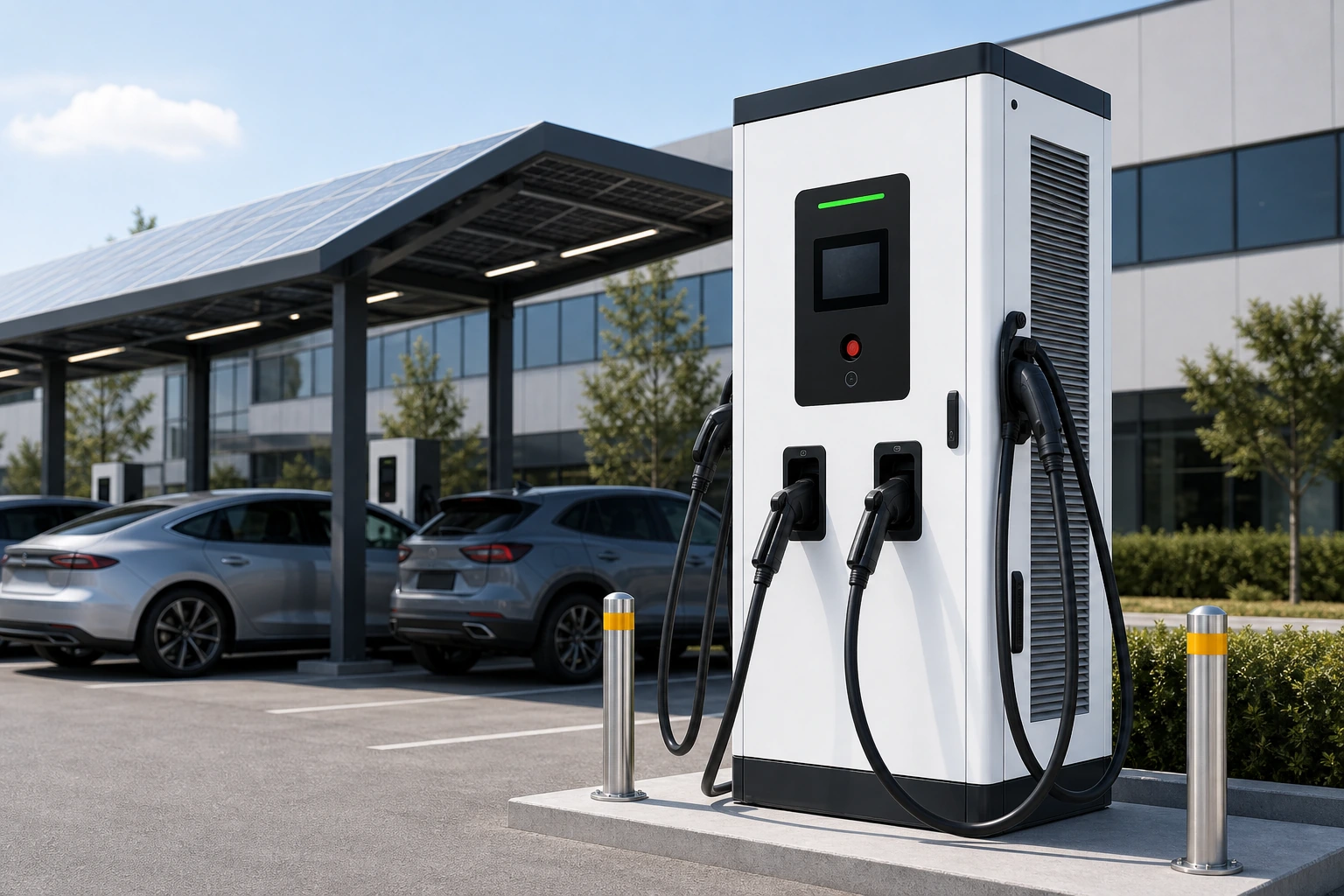
120kW DC Fast Charger
Highway-grade, CCS2+GB-T, IP65
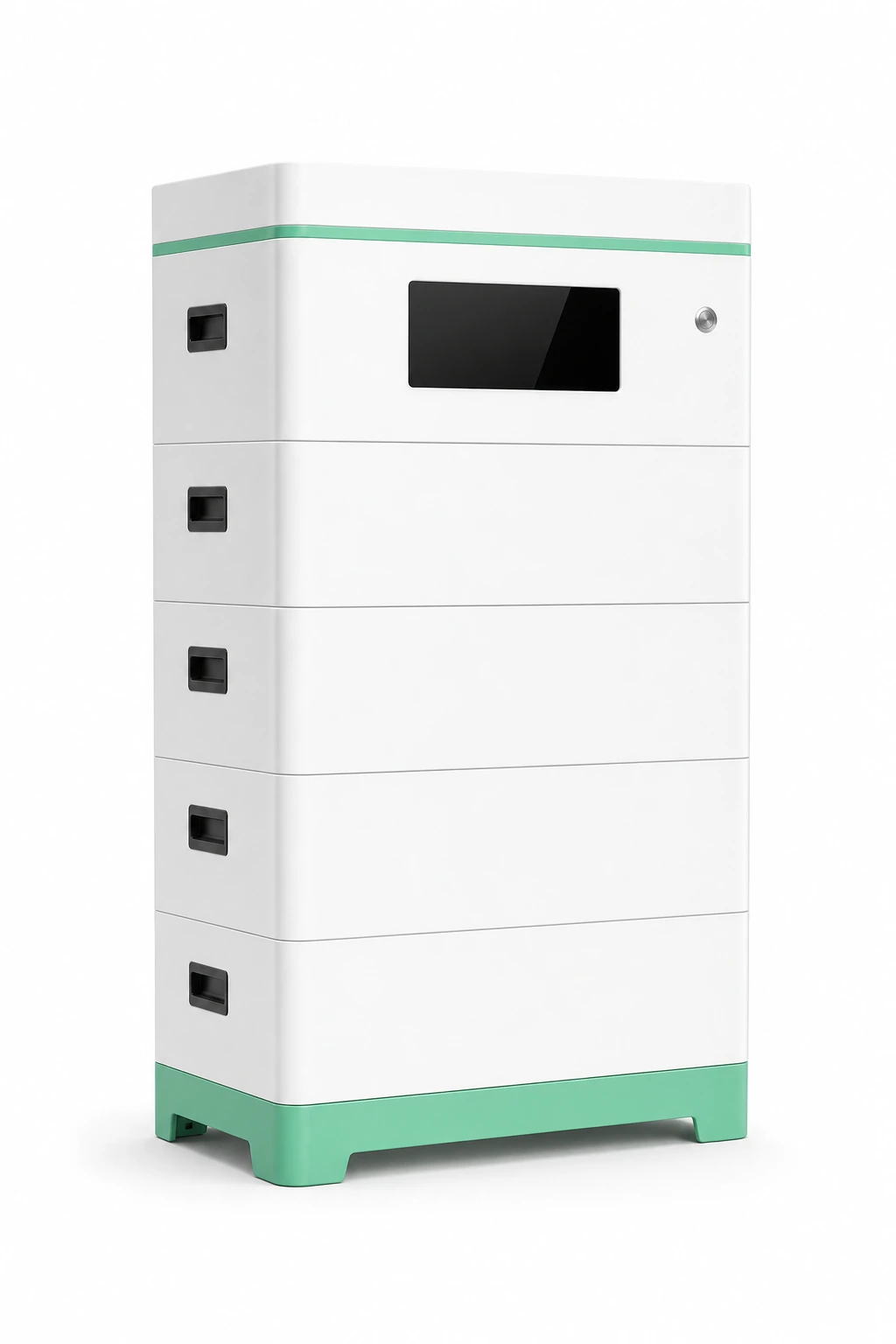
15-35kWh PowerWall
Modular BESS, stack to 1MWh+
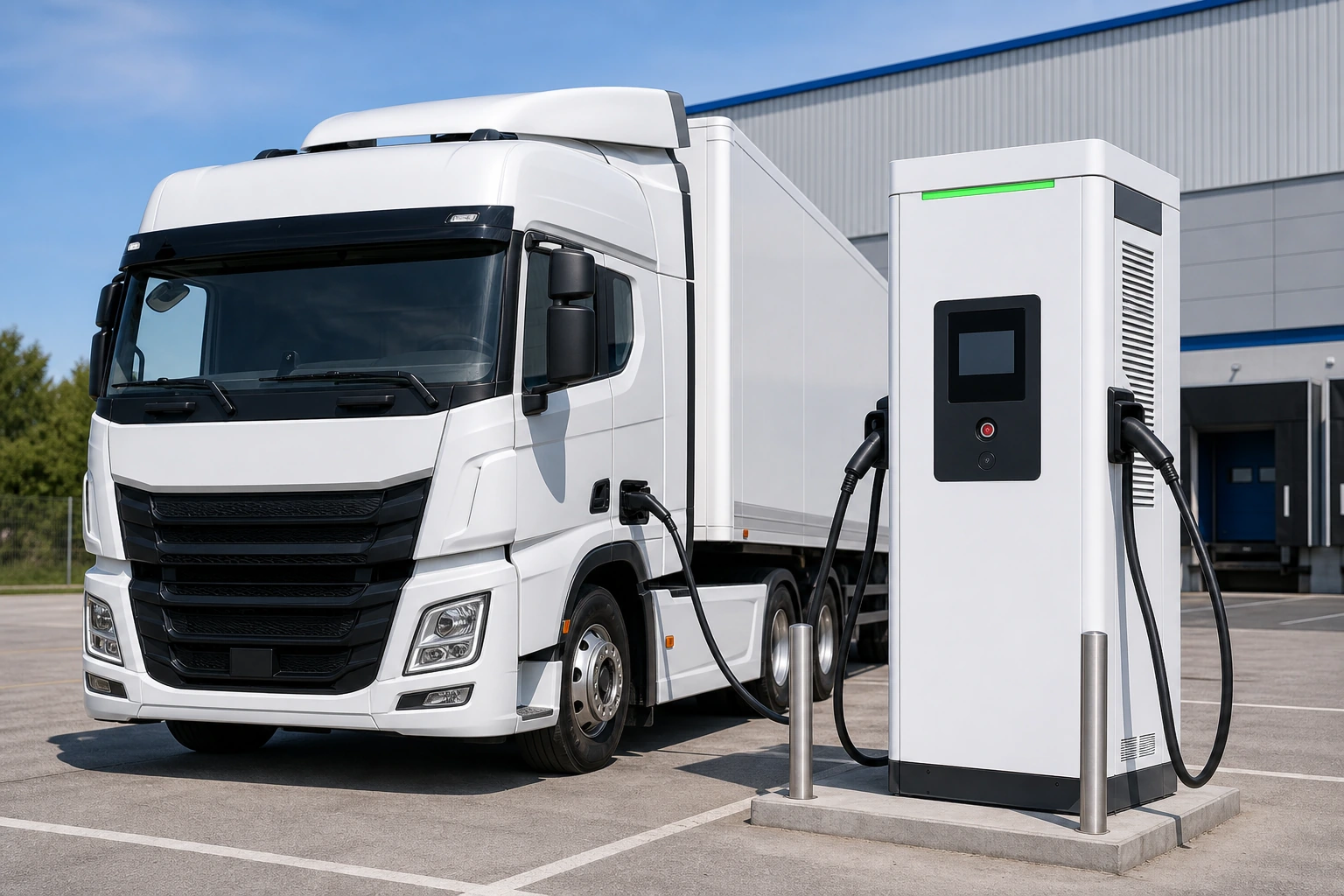
60kW DC Fast Charger
Secondary bays, cost-effective
Planning Example
Illustrative layout only: four 120kW DC chargers with a 500kWh BESS can be evaluated against a constrained grid connection. Actual charger concurrency, storage size, savings and AFIR duties require site load data, utility review and operator requirements.
FAQ
How does the BESS buffer reduce grid connection costs?
The BESS absorbs short-duration charging peaks. If your site has a 200kW grid connection and 4x 120kW chargers, the BESS provides the difference during simultaneous charging events. You pay for a smaller grid connection and avoid demand charges.
How should uptime requirements be specified?
Define the required SLA, redundancy, spare modules, remote monitoring, response time and excluded causes in the commercial contract. Uptime should not be inferred from charger count alone.
How is AFIR scope confirmed for a highway project?
AFIR is confirmed for the complete deployed and operated site. Review CCS2, ad-hoc payment, price display, OCPP or roaming, data publication, accessibility and operator responsibilities before final equipment selection.
What is the lead time for a full hub system?
8-12 weeks from order to factory readiness. Site installation depends on civil works which are the customer responsibility or can be coordinated via our EPC partners.
Ready to Start Your Project?
Send us your site plan or power requirements and we will prepare a complimentary system design within 2 business days.
Get Free System Design