Weak-Grid EV Charging with Solar and BESS Support
End-to-end microgrid systems for remote sites, island communities, mining camps, and telecoms base stations - combining solar, storage, and EV charging to eliminate diesel dependency.
When should an EV charging site add solar or BESS?
Solar and battery storage should be treated as supporting infrastructure for charging sites with weak grid, peak-demand cost, remote location or expansion limits. The first decision is still the AC/DC charger mix. AC wallboxes serve long parking time, while DC fast chargers handle faster sessions. BESS can buffer peak load, reduce grid pressure or support solar energy use, but it must be sized around charger power, expected sessions and grid constraints.
AC charging support
Use AC wallboxes where vehicles park for hours and the grid cannot support many DC chargers.
DC fast charging buffer
Add BESS when 60kW to 180kW DC charging creates peak-load or transformer pressure.
Solar-assisted charging
Use solar when daytime charging, land/canopy area and local electricity cost justify it.
Control system
Plan load management, OCPP/payment and energy scheduling together, not as separate purchases.
Information to send before asking for a site proposal
These details let SUNFULL match charger power, connector, OCPP/payment scope and supporting equipment to the real project instead of sending a generic catalog.
Grid limits
Available transformer capacity, voltage, demand charge, outage risk and expansion limitation.
Charger load
AC/DC charger count, power, connector, expected sessions and peak-hour usage.
Storage scope
BESS kWh/kW target, inverter, EMS, solar input and backup expectations.
Operation
OCPP/CSMS, payment, remote monitoring, safety documents and installation environment.
Related buyer pages
Weak-grid project planning notes
Weak-grid charging projects need a practical balance between charger ambition and power reality. If the site has limited transformer capacity, the first step is to reduce unnecessary peak load through charger mix, scheduling and load management. Battery storage is useful when it solves a specific problem such as peak shaving, solar self-consumption, outage support or limited grid expansion.
SUNFULL treats storage as a supporting part of the charging site rather than the main SEO direction. Buyers should still define the AC/DC charger requirement first, then decide whether BESS and solar are needed to make the site workable. A useful RFQ includes charger power, daily sessions, grid limitation, desired backup time, solar condition, payment method and OCPP/CSMS requirement.
Questions buyers usually ask before the first quotation
Can BESS replace a stronger grid connection?+
BESS can reduce peak demand and support limited-grid sites, but the system still needs realistic charger power, session volume and safety design.
Should weak-grid sites use AC or DC chargers?+
Use AC chargers for long parking time and lower load. Add DC fast chargers only where faster sessions are needed and BESS/grid support is planned.
What data is needed for a weak-grid RFQ?+
Send available grid capacity, charger power target, daily sessions, solar condition, BESS expectation, country, connector and OCPP/payment needs.
The Challenge
Remote sites paying diesel prices of $1.5-3.0 per litre for generator fuel face prohibitive energy costs. Extending the grid to these sites costs $100,000+ per km. The opportunity is a solar+storage microgrid that covers all site loads including EV charging, with zero fuel cost after payback.
Our Approach
- Solar array sizing: We design the PV array to cover 100% of average daily load including EV charging, with a 20% safety margin for cloudy periods.
- LiFePO4 BESS: Battery sized for 2-3 days of autonomy at critical load. LiFePO4 cycle life of 6,000+ cycles dramatically reduces battery replacement cost over project life.
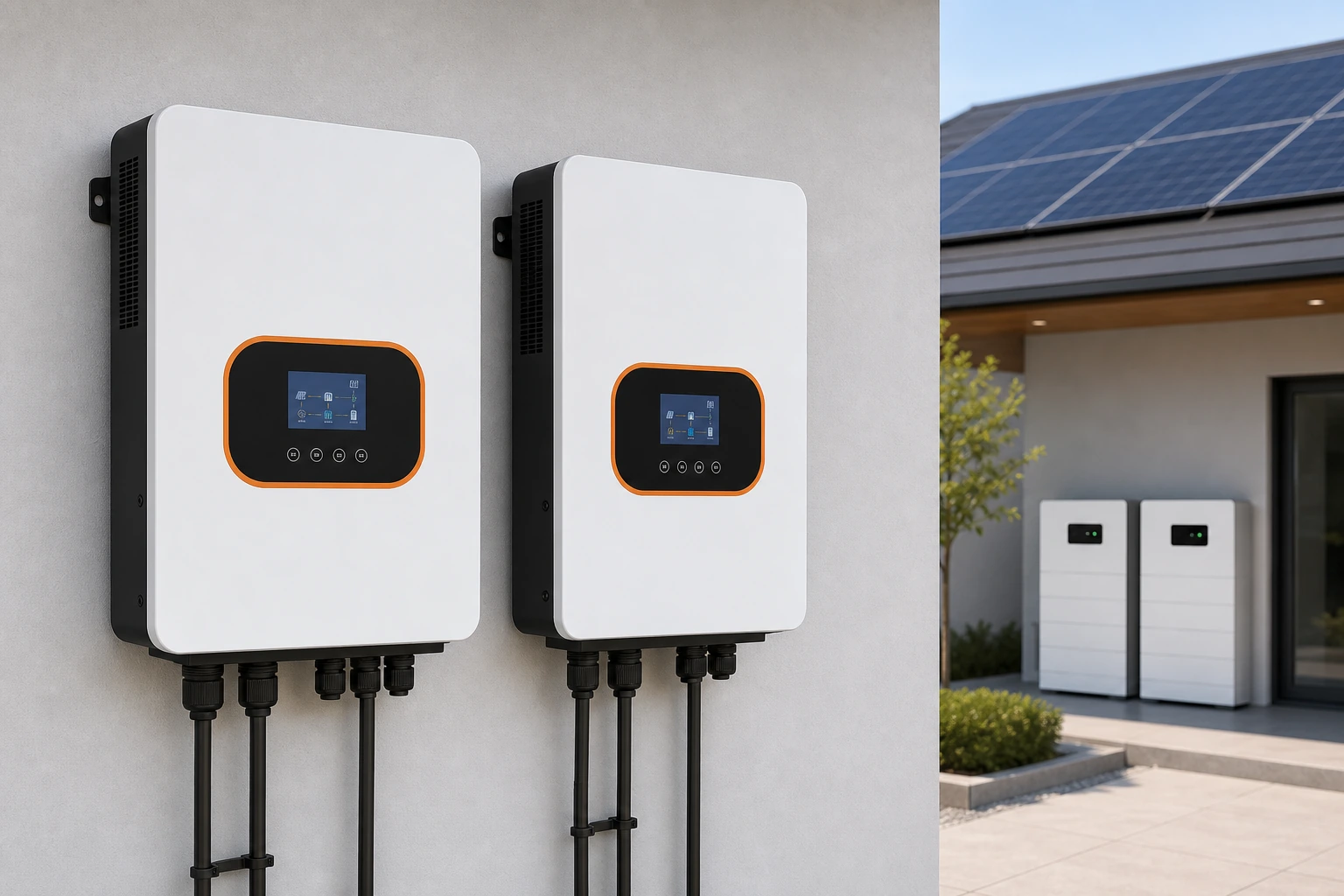
- Hybrid inverter(s): Master-slave inverter configuration scales from 5kW to 50kW+ by paralleling units. Diesel generator remains as last-resort backup.
- EV charger as managed load: The EV wallbox operates as a flexible load - when solar surplus is available it charges at full power, when battery is low it drops to minimum or pauses.
- Remote SCADA: Full site monitoring via 4G/satellite link. Alarm and daily report sent to your NOC. OTA firmware update for all devices.
Recommended Products
10kW Three-Phase Hybrid Inverter
Master-slave scalable, off-grid mode
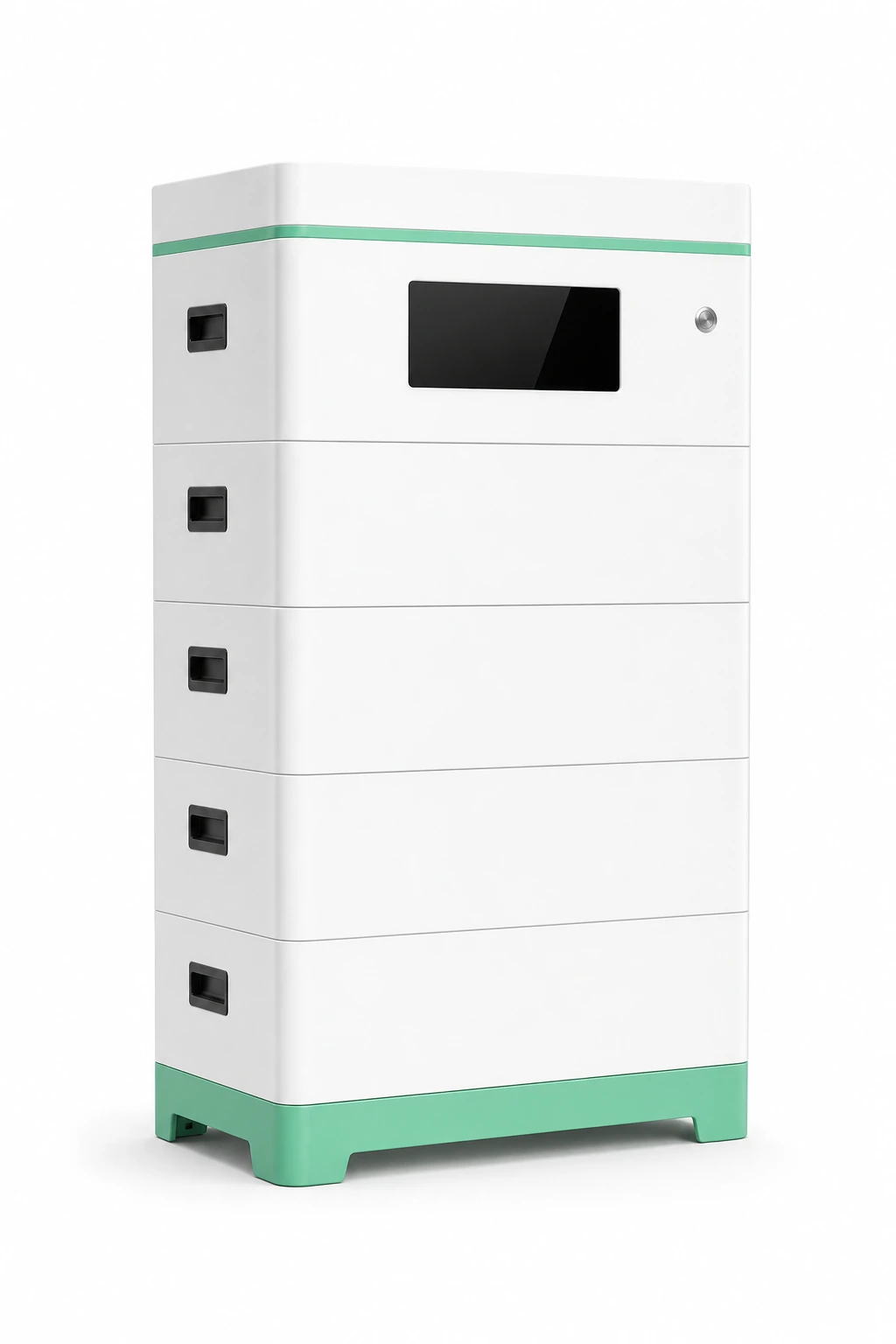
15-35kWh LiFePO4 PowerWall
Modular, stack to 1MWh+
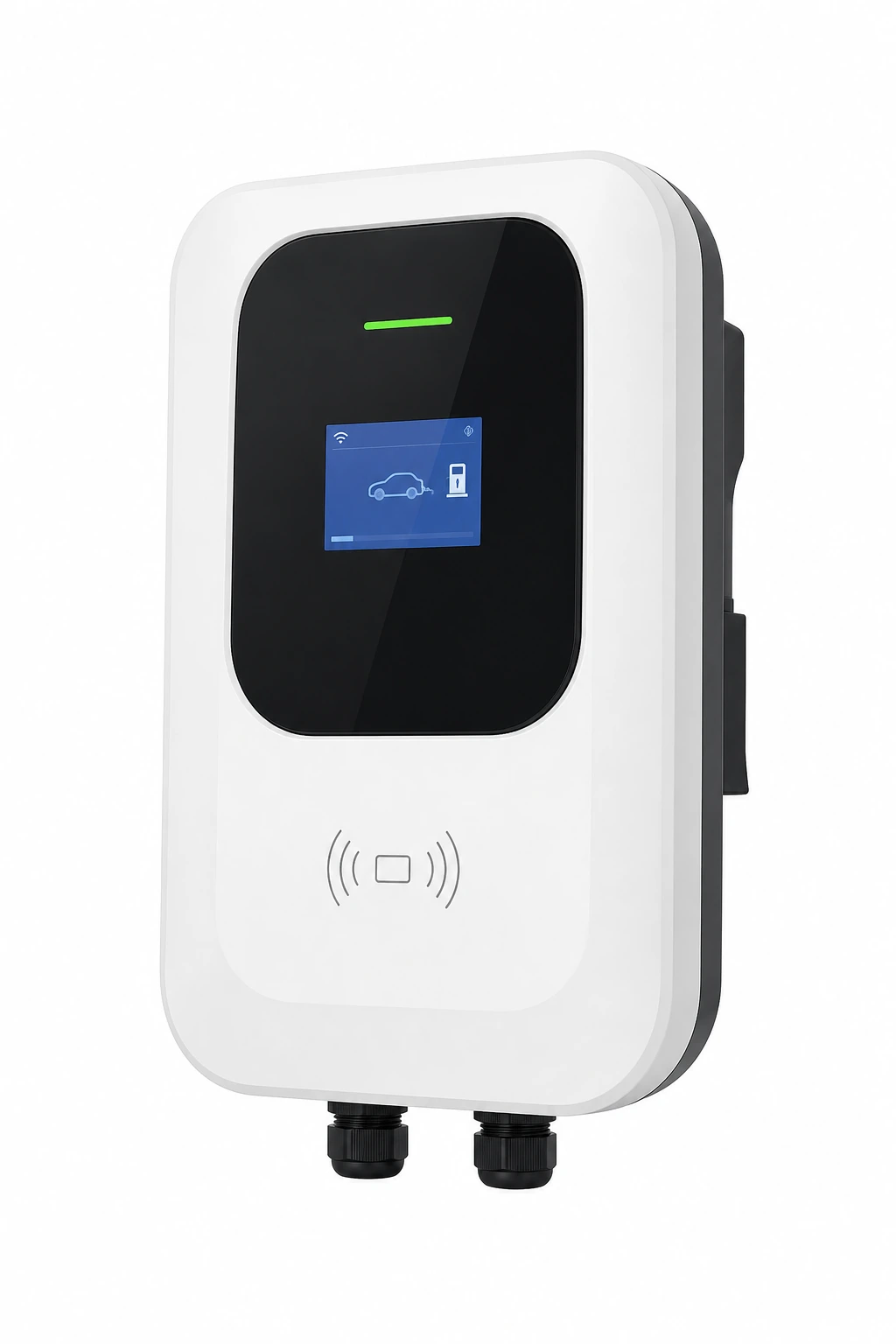
7kW Managed EV Wallbox
Solar surplus priority charging
Case Reference
Isolated mining camp: 80kWp solar + 200kWh LiFePO4 + 3x 10kW inverters + 4x 7kW EV wallboxes. Diesel generator run-hours reduced 94%. Fuel saving: $180,000/year. Carbon reduction: 420 tonnes CO2/year.
FAQ
Can this system operate with zero grid connection?
Yes. The hybrid inverter operates in full island mode when no grid is available. The BESS provides power during night and cloudy periods. The diesel generator acts as last resort for extended low-solar events.
How do you handle very cloudy periods?
We size the battery for 2-3 days of autonomy at critical load. The diesel generator automatically starts when battery SoC drops below a configurable threshold (typically 20%) and charges the battery to 50% before shutting down.
Is the system scalable if my load grows?
Yes. Add inverter units in master-slave configuration (max 6 units = 60kW). Add battery modules in parallel. Add PV strings to existing inverter MPPT inputs up to rated maximum.
What monitoring is included?
All devices report to our cloud SCADA via RS485/Modbus and 4G modem. You receive daily energy reports, alarm notifications, and access to a real-time web dashboard. Optional local display for sites with no connectivity.
Ready to Start Your Project?
Send us your site plan or power requirements and we will prepare a complimentary system design within 2 business days.
Get Free System Design