Marine and Port V2G EV Charger Solution
Bidirectional EV charger and DC fast-charging project support for ports, logistics terminals, electric vessels and yard fleets where grid rules, vehicle compatibility and OCPP/EMS control are already part of the plan.
How should ports evaluate V2G EV charger projects?
Short answer: Port projects should first separate ordinary charging demand from bidirectional energy use. Use DC fast chargers for high-power fleet or vessel charging; add V2G only when compatible electric vessels, yard vehicles, EMS controls and local grid-service rules make bidirectional operation practical.
Define standard AC/DC charging power, connector and daily operating window before adding V2G complexity.
Confirm ISO 15118, vehicle or vessel compatibility, grid export permission, EMS/OCPP and protection requirements.
Request datasheets, wiring notes, certificate scope, export files, test plan and local approval checklist.
Is marine V2G suitable for every port project?
No. Many port sites first need standard DC fast chargers or shore-power planning. V2G is suitable only when electric vessels, yard vehicles or fleet assets can support bidirectional energy flow.
What should a marine or port V2G RFQ include?
Send vessel or vehicle type, power level, connector, site grid rules, OCPP/CSMS or EMS needs, energy-management goal, quantity, documentation needs and project timeline.
Should revenue claims be used for project approval?
Revenue depends on local market rules, aggregator access and grid-service eligibility. Treat revenue as a local feasibility item, not as a guaranteed charger feature.

The Challenge
Ports and maritime operators face two converging pressures: IMO 2050 decarbonisation mandates requiring shore power (cold ironing) for vessels, and increasing EV fleets of forklifts and yard tractors that create chaotic peak demand. V2G turns these EV fleets from cost centres into flexible grid assets.
Our Approach
- Shore power + V2G hybrid: While a vessel is at berth on shore power, the port EV fleet provides V2G grid services to offset the vessel load - reducing peak demand charges from the grid.
- ISO 15118-20 bidirectional protocol: Our V2G chargers use Plug and Charge with ISO 15118-20 for automated energy negotiation. No driver intervention needed.
- Forklift and yard tractor charging: 22kW AC V2G chargers at each berth charge electric forklifts during cargo operations. When not charging, the forklifts export power back to the port grid.
- Grid-service readiness: Bidirectional operation should be reviewed with the local grid operator or aggregator. Revenue eligibility depends on local market rules and is not guaranteed by hardware alone.
- OCPP 2.0.1 VPP integration: Connect to a Virtual Power Plant aggregator to bid the combined EV fleet capacity into the balancing market.
Recommended Products
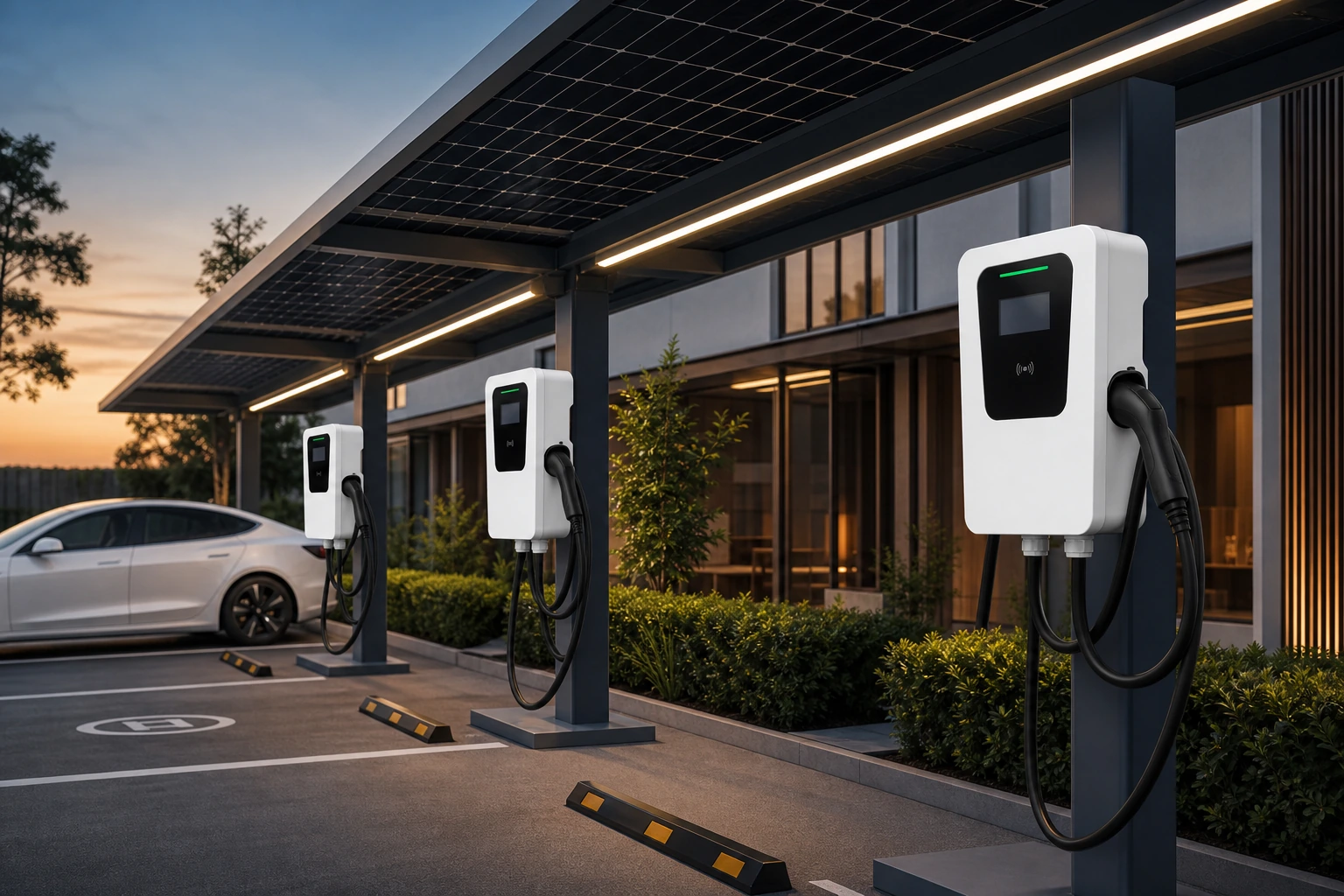
22kW V2G Bidirectional AC Charger
ISO 15118-20, V2G/V2H/G2V
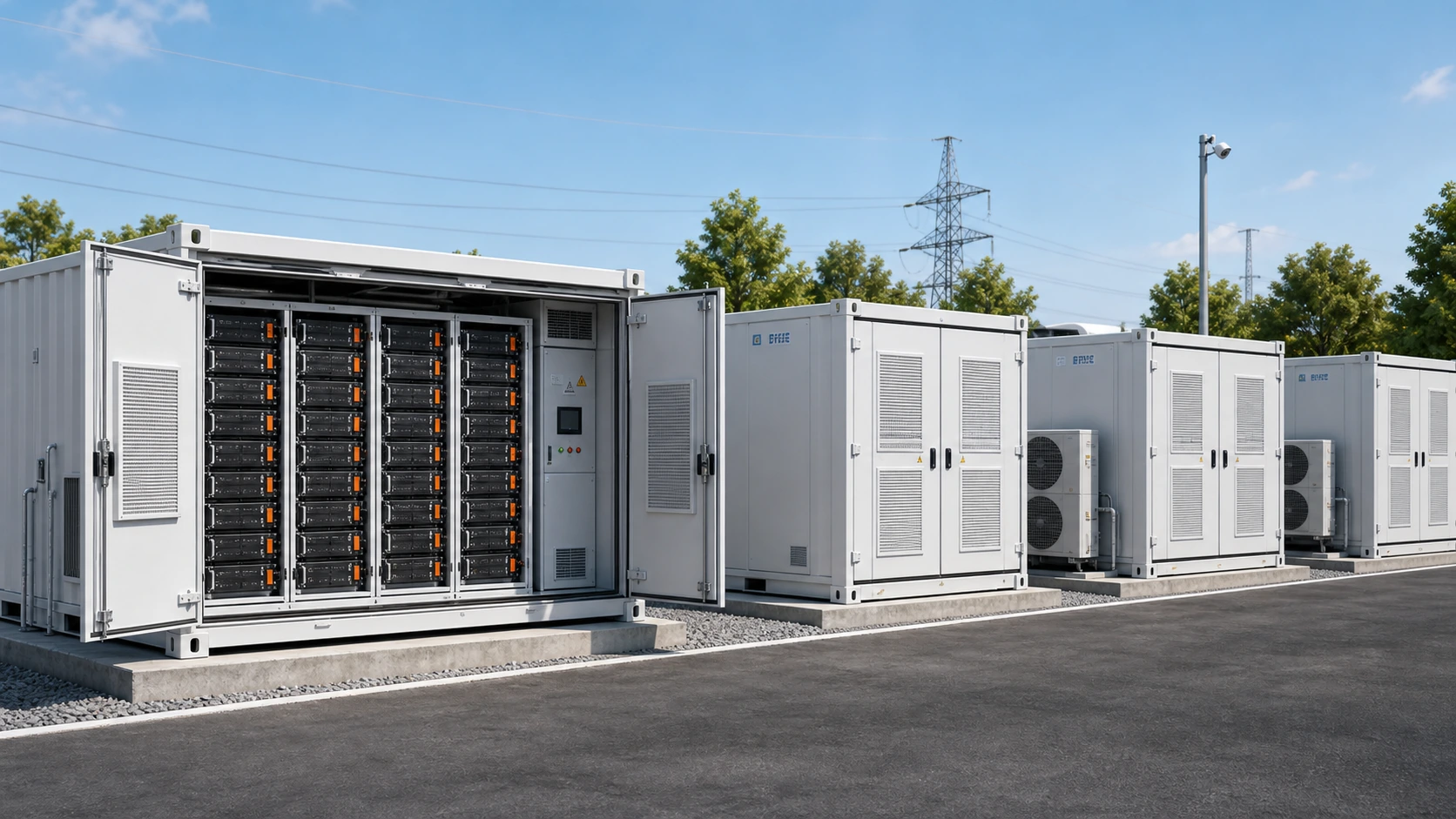
Container BESS
MW-class port energy buffer
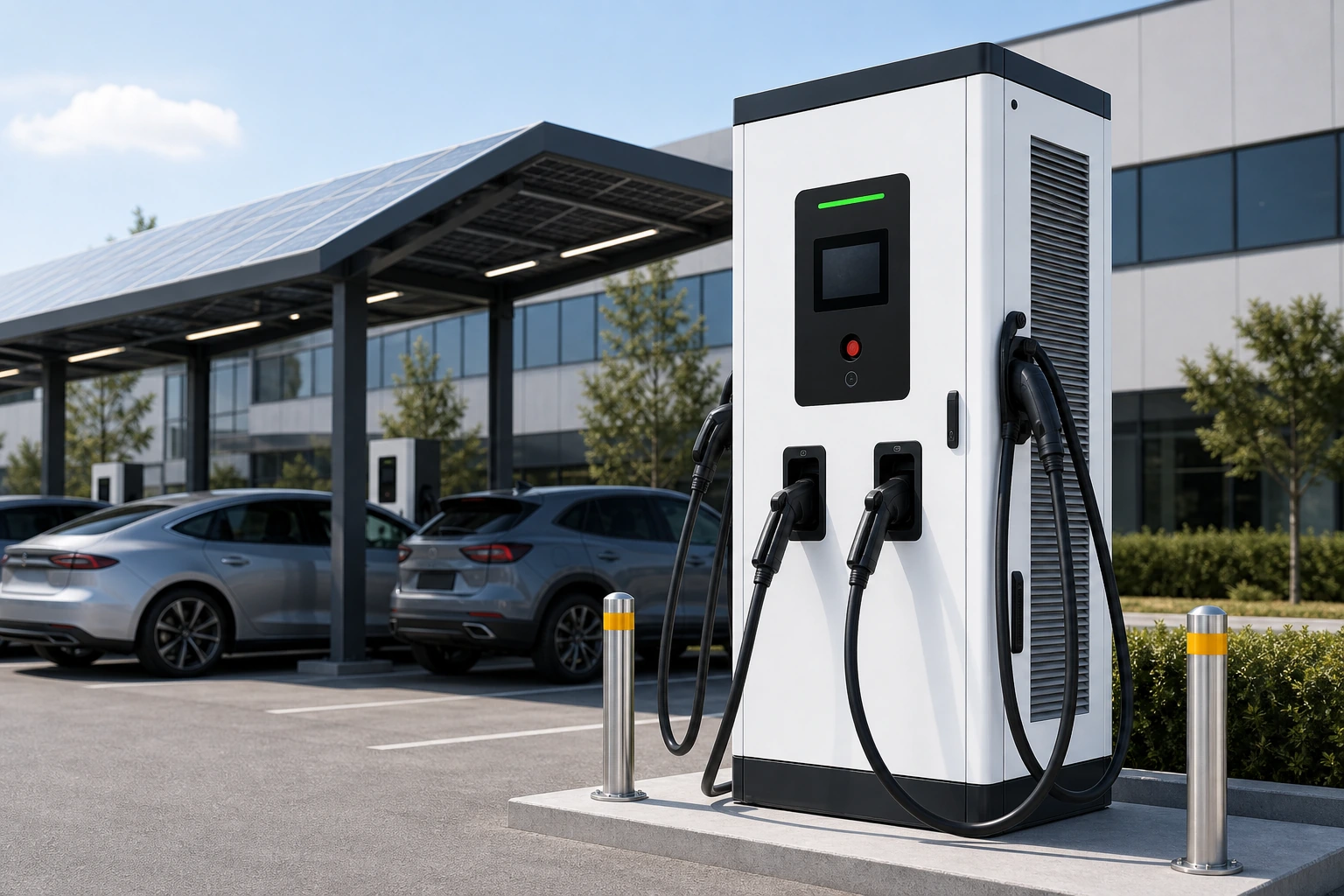
120kW DC Fast Charger
High-power vessel + heavy vehicle
Case Reference
Port V2G pilot planning can combine 22kW bidirectional chargers for electric yard vehicles, optional BESS buffering and DC fast chargers for high-power assets. Final scope depends on vehicle compatibility, local approval, OCPP/EMS integration and site load data.
FAQ
What vessels can connect to this shore power system?
Our system provides standard IEC 60309 shore power connectors compatible with inland waterway vessels and smaller coastal ships. For large ocean-going vessels requiring high-voltage shore connection (IEC 62613), a separate transformer skid is required.
How does V2G revenue work for port operators?
The port operator normally works with a local grid operator or VPP aggregator. Revenue, if available, depends on local market rules, metering, dispatch requirements and asset eligibility. Treat it as a feasibility item, not a guaranteed product feature.
Is this system proven in ports, or just a concept?
Port V2G remains a site-specific integration project. Buyers should request verified reference scope where available and separately validate vessel interface, bidirectional power conversion, ISO 15118 profile, utility permission, metering and dispatch integration.
What permits are required for V2G grid export at a port?
DNO or utility notification, protection studies, metering and a grid-service agreement may be required. Standards differ by country and site; SUNFULL can provide available model files, while the local EPC, vessel operator and utility confirm the final connection and export approval.
Ready to Start Your Project?
Send us your site plan or power requirements and we will prepare a complimentary system design within 2 business days.
Get Free System Design