Battery Energy Storage for EV Charging and Weak-Grid Projects
SUNFULL supplies BESS as support equipment for weak-grid EV charging sites, solar-assisted charging stations, DC fast charger buffering and commercial backup projects. The main export focus remains AC and DC EV chargers; storage is specified when it solves a real site power constraint.
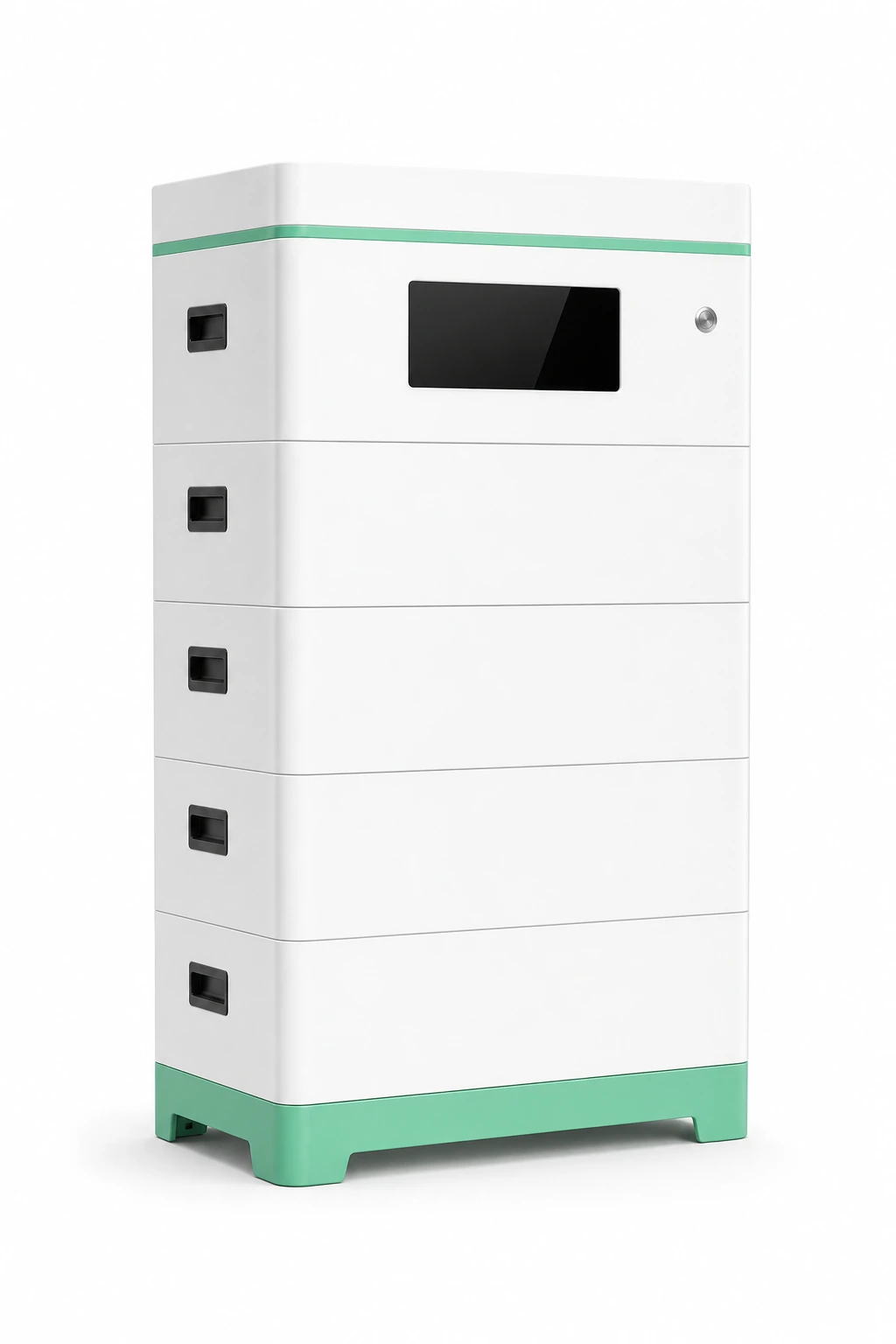
Short answer for EV charging buyers
SUNFULL keeps battery energy storage as supporting equipment for AC/DC EV charging projects, not as the main SEO direction. BESS is most useful when a site has weak grid capacity, high demand charges, solar surplus, backup requirements or a DC fast charger that needs power buffering.
When BESS should be included in an EV charging RFQ
Send the charging site requirements first
For faster model selection, send charger type, power, quantity, connector, grid limit, country, software scope and whether BESS is only support equipment.
Buyer FAQ
Should every EV charging project include BESS?
No. Many AC wallbox and normal DC fast charger projects only need proper load management. BESS is recommended when grid capacity, peak tariff, solar integration or backup reliability creates a clear business case.
What information should I send for a BESS-supported charging quote?
Send charger type, charger power, quantity, site country, grid limit, expected daily sessions, PV condition, backup target, OCPP/CSMS requirement and available installation space.
Can SUNFULL quote EV chargers and BESS together?
WUHAN SUNFULL NEW ENERGY TECHNOLOGY CO., LTD. can support combined RFQ planning for AC chargers, DC fast chargers, BESS buffer equipment and solar-assisted charging projects.
When Battery Energy Storage Adds Value
The answer depends on the tariff, load profile, grid limit, solar generation, resilience target and local market rules. Model the site before selecting capacity.
Peak Demand Management
Use interval load data and the actual tariff to estimate controllable peaks, usable battery energy, PCS power, cycling and savings. Do not apply a generic percentage to every site.
Solar Self-Consumption
Compare PV generation and load by interval, then include conversion losses, export rules, battery reserve and dispatch logic in the financial model.
Backup and Resilience
Define critical loads, outage duration, transfer requirement, black-start behavior and generator coordination. Verify the selected PCS and controls against that sequence.
EV Charging Buffer
Model charger concurrency, vehicle demand and grid capacity to determine whether BESS can reduce peaks or defer an upgrade. The result is site-specific.
Off-Grid Microgrid
Use solar resource, load profile, generator efficiency, fuel logistics and reliability targets to simulate the PV, BESS and generator dispatch strategy.
Grid Services
Revenue depends on local market access, metering, response performance, aggregator terms, degradation and availability. Confirm eligibility before including it in project returns.
LFP vs. NMC for Stationary Battery Storage Procurement
Chemistry is one input. Buyers should verify the complete cell, module, BMS, thermal, enclosure and fire-safety design for the selected system.
| Review Area | LFP Consideration | NMC Consideration |
|---|---|---|
| Safety design | Often selected for stationary systems, but still requires propagation, ventilation and fire-response review | Higher energy density can increase the importance of thermal and propagation controls |
| Lifetime | Verify cycle and calendar-life conditions in the exact cell and warranty data | Verify the same duty-cycle, temperature and state-of-charge assumptions |
| Temperature | Check heating, cooling and derating for the real enclosure and climate | Check thermal management and derating for the real enclosure and climate |
| Energy density | Space and mass may be higher for a given energy target | Can offer higher energy density where footprint is constrained |
| Supply chain | Record cell manufacturer, model, lot traceability and approved substitutions | Apply the same traceability and substitution control |
| Evidence | Match UN 38.3, safety data, IEC or UL reports and transport documents to the exact battery and system scope | |
Battery Energy Storage System RFQ Categories
Capacity, voltage, PCS, enclosure and documents are confirmed from the load model and destination requirements.
BESS Application Engineering Questions
Use these questions to turn a general battery-storage enquiry into a testable project specification.
Commercial Building
Provide interval demand, tariff, PV profile, critical loads and operating schedule. Compare peak management and backup scenarios separately.
Telecom or Data Facility
Define critical power, autonomy, redundancy, transfer behavior, environmental controls, communications and maintenance access.
Mining or Remote Microgrid
Model load, solar resource, generator dispatch, fuel logistics, dust, temperature, altitude, spares and remote service capability.
Residential Backup
List critical circuits, outage duration, PV capacity, inverter type, installation location and local electrical requirements.
EV Charging Hub
Provide charger count, power, session profile, grid limit, tariff, expansion plan and CSMS or EMS control requirements.
Peak and Tariff Management
Use measured interval data, not monthly totals alone. Include battery losses, degradation, reserve, controls and tariff changes in the model.
Battery Energy Storage Manufacturer FAQ
Which battery cells are used?
Cell manufacturer, model, chemistry, capacity, lot traceability and permitted substitutions are confirmed for the selected configuration and order. Request the bill-of-material scope and matching cell data rather than relying on a general tier label.
What is the minimum order quantity?
MOQ varies by residential, cabinet, rack or container configuration, customization and current production plan. Ask for the quantity, price, included engineering and approval terms in the current quotation.
Can BESS integrate with an existing solar system?
Integration depends on the existing PV inverter, grid point, voltage, metering, controls, export rules and desired operating modes. Provide single-line diagrams and equipment data so AC-coupled or DC-coupled options can be reviewed.
How should UL 9540A, IEC 62619 and UN 38.3 evidence be checked?
Request reports or summaries for the exact cell, module, rack and system scope required by the project. UL 9540A is a thermal-runaway fire-propagation test method, not a blanket product-family certificate. Match model numbers and test configuration before acceptance.
What warranty applies to a BESS?
Warranty duration, energy throughput, state-of-charge window, temperature, availability, capacity-retention method, covered components, exclusions and remedies vary by model and contract. Review the exact warranty schedule with the operating profile.
How is production and delivery time confirmed?
Timing is quoted after the system architecture, quantity, documents, engineering approval, factory tests, dangerous-goods booking and destination route are known. Separate engineering, manufacturing, inspection and transport milestones.
Can a BESS be private-labeled?
Branding may cover approved labels, enclosure graphics, manuals, packaging and software presentation. Feasibility, document impact, artwork, ownership, sample approval, MOQ and fees are confirmed by project.
Who handles BESS shipping and freight?
Available Incoterms, export packing, dangerous-goods documents, insurance and destination responsibilities depend on the selected battery and route. Confirm the named place, importer, broker, charges and acceptance requirements in the quotation.
Which monitoring and communication protocols are supported?
Protocols depend on the selected BMS, PCS, meter and EMS. Define Modbus, CAN, Ethernet, API, time synchronization, alarms, data ownership and cybersecurity requirements, then verify them in the integration test.
Can storage capacity be expanded later?
Expansion is possible only when the architecture, BMS, PCS, voltage, firmware, age and site protection support it. Define the future block size and compatibility rules during initial design; do not assume unlike or aged modules can be added freely.
What installation and commissioning support is available?
Documentation, remote review, factory testing, training and any on-site support are defined in the quotation. Local design, permits, civil work, electrical installation, fire review, grid approval and safety sign-off should be assigned to qualified parties.
What payment terms apply?
Currency, deposit, balance trigger, engineering payment, bank beneficiary, documentary conditions and any credit terms are confirmed in the current quotation, pro-forma invoice and contract.
Need a Battery Energy Storage System for Your Project?
Tell us your project requirements: capacity needed, application, grid voltage, and target market. We reply with a detailed system specification and pricing after project-scope review.
Related BESS and LiFePO4 procurement pages
LiFePO4 battery support for charging projects
Battery chemistry, BMS, PCS and OEM scope for BESS buffer and weak-grid charging sites.
Solar and BESS charging-site support
Use storage only when grid capacity, peak demand or backup needs justify it.