South Africa EV Charger Project Guide: Grid Capacity, Payments and NRS 097 Scope
60kW / 120kW CCS2 options with OCPP; charger documents and NRS 097 applicability reviewed separately
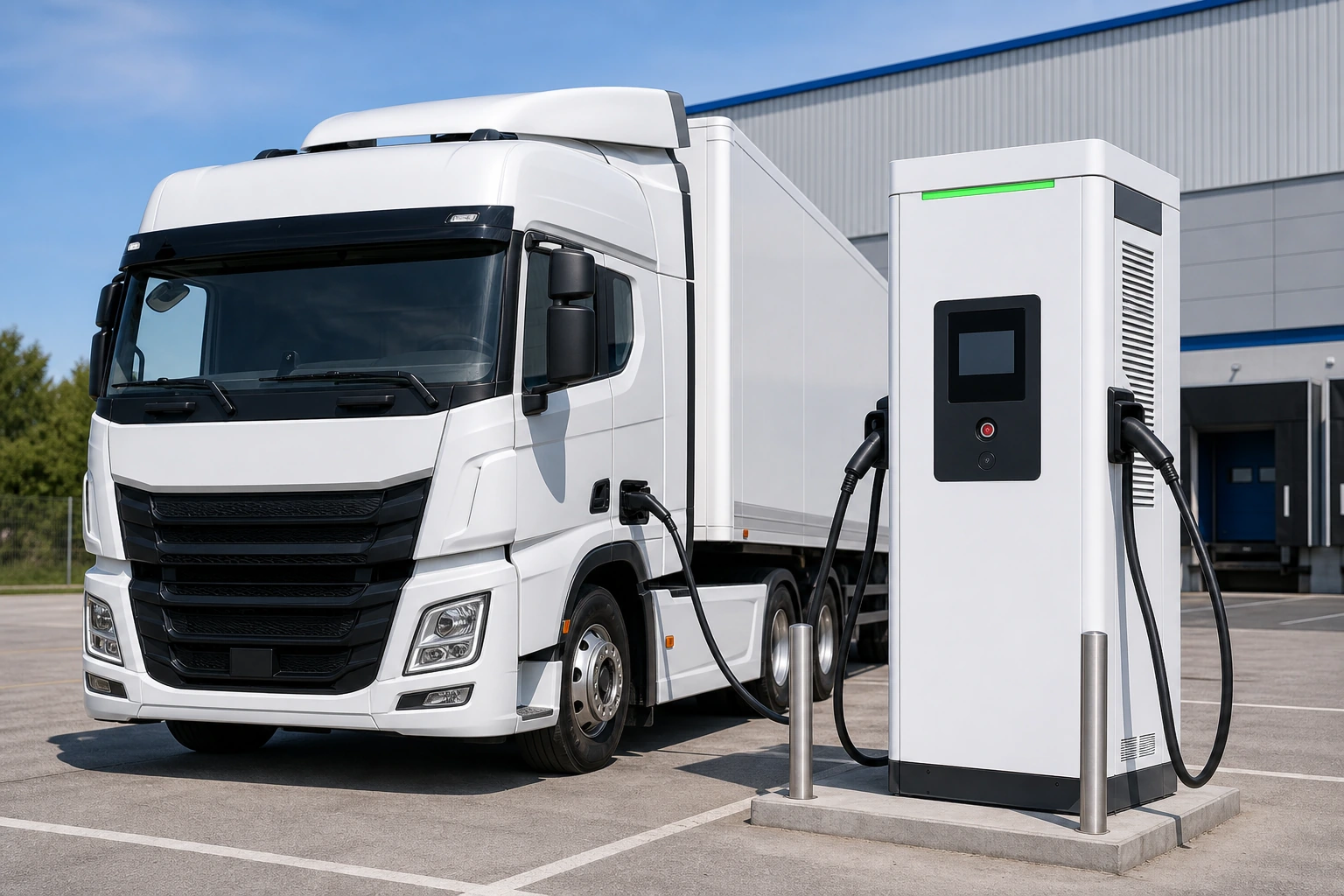
Does NRS 097-2-1 certify an EV charger?
Short answer: No. NRS 097-2-1 defines the utility interface for small-scale embedded generation connected to a low-voltage network. It is not a general product certification for an AC or DC EV charger.
NRS 097 may become relevant when a charging site includes grid-connected solar, BESS or another embedded-generation source. Charger safety, EMC, connector, metering, OCPP and installation requirements must be reviewed separately by exact model, local installer, utility and project scope.
Primary source: NRS 097-2-1: Grid interconnection of embedded generation.
Compliance Scope
Model-specific compliance files, test scope and destination-market requirements are confirmed during RFQ review before order.
Factory Direct
Manufacturer-direct support for model selection, project configuration and export-document review. Evaluation-order and OEM terms are confirmed in the current quotation.
Global Shipping
FOB Wuhan, CFR, CIF available. We handle export documentation and customs HS codes.
OEM / ODM Ready
Custom branding, firmware, enclosure color. Your brand on our proven hardware platform.
Featured: DC Fast Charger for South Africa Projects
60kW / 120kW CCS2 options with OCPP; charger documents and NRS 097 applicability reviewed separately
Indicative Factory Range: Confirmed after model, site, software, quantity and document review
Documentation: CE/IEC files by model; local and embedded-generation scope reviewed
Lead Time: Confirmed after configuration, quantity and document review
What Buyers Should Confirm Before Ordering
Exact Model Scope
Confirm the model datasheet, electrical input and output, connector, enclosure rating, communication protocol and selected options before comparing quotations.
Compliance Evidence
Request model-specific declarations and test reports, then separate supplier documents from approvals owned by the importer, installer, operator or local utility.
Delivery and Service
Agree the configuration list, firmware version, packing, spare parts, warranty process, commissioning support and after-sales contact before releasing a batch order.
How to evaluate a South Africa DC fast charger and determine NRS 097 scope
This guide is for South African installers, fleets, CPOs and importers comparing DC chargers. It separates charger requirements from NRS 097 obligations that may apply to grid-connected solar, BESS or other embedded generation.
1. Confirm the operating scenario
Start with the project conditions rather than the product name alone. For DC Fast Charger, buyers should confirm the daily energy demand, available charging or discharge window, grid voltage, protection requirements, mounting location, communication method and expected user behavior. These details decide whether the selected configuration will remain reliable after installation.
2. Request the right compliance files
Ask for documentation before price negotiation is finished. For this product family, confirm surge protection, outdoor enclosure rating, charger safety and EMC files, installer handover documents and local voltage assumptions. If the site includes embedded generation, ask the utility or EPC whether NRS 097 applies to that interface. SUNFULL can prepare datasheets, product photos, wiring notes, packing information and export documents for review before a sample order or distributor batch is released.
3. Compare the full supply scope
Do not compare only the unit price. Confirm what is included in the offer: firmware version, warranty term, spare parts, packaging strength, logo or label work, delivery port, lead time, test report and after-sales contact. A clear scope reduces rework when the first shipment reaches the installer or local partner.
What to send with your RFQ
For a faster quotation, send the destination country, target application, expected quantity, preferred connector or battery configuration, local certification needs, branding requirements, installation environment and delivery timeline. If the site is still at concept stage, a short description is enough: vehicle type, parking or storage hours, transformer capacity, solar input if any, and the commercial goal of the project.
For sample orders, the buyer normally verifies installation fit, communication stability, enclosure quality, display language, packing protection and basic user operation. For batch orders, the review should go deeper: firmware version control, serial-number tracking, spare-parts list, packaging marks, carton drop protection, inspection photos and responsibility for after-sales communication.
For distributor or OEM programs, the first decision is usually not the final price. It is whether the supplier can keep the same configuration across repeat orders, provide stable documentation for customs or tenders, and respond quickly when an installer needs wiring or software support. That is why the quote request should include both commercial volume and technical constraints.
SUNFULL NEW ENERGY positions these pages as sourcing references, not only advertising pages. The goal is to help B2B buyers prepare a cleaner RFQ, compare products on real project conditions, and avoid surprises around certificates, grid compatibility, communication protocol, packaging and delivery terms. When a detail is uncertain, our sales engineer can recommend a conservative starting configuration for pilot testing.
Related SUNFULL sourcing resources
Product catalog • Application solutions • Factory workflow • Certificate checks • Buyer insights
Ready to Source DC Fast Charger for South Africa Projects?
Tell us your quantity, destination market, and certification requirements. We respond after project-scope review.
Scope clarification
NRS 097 is relevant to embedded generation, not a general EV charger certificate
Short answer: For a charger-only site, confirm charger safety, EMC, connector, metering, OCPP, payment, enclosure and local installation requirements. Review NRS 097 separately only when solar, BESS or another embedded-generation source interfaces with the distribution network. The local utility and EPC determine the applicable connection process.
| Project element | Review path | Do not assume |
|---|---|---|
| AC/DC charger | Exact model and installation requirements | NRS 097 certifies the charger |
| Solar or BESS | Embedded-generation interface and utility rules | Charger documents cover the generator |
| Public operation | Payment, CSMS, metering and user process | OCPP alone completes compliance |
| Grid capacity | Transformer, demand and simultaneous charging | Nameplate power is always available |
Primary sources
Questions buyers ask
Does NRS 097 certify a DC fast charger?
No. NRS 097 addresses grid interconnection of embedded generation. Charger product and installation requirements are separate.
When should an EV charging project review NRS 097?
Review it when the site includes grid-connected solar, BESS or another embedded-generation source, subject to the local utility and project design.
What should a South Africa DC charger RFQ include?
Send location, site type, voltage, available capacity, vehicle mix, CCS2 power, OCPP/payment, solar or BESS scope, quantity and required documents.