Short answer: does a higher charger rating guarantee faster charging?
No. Delivered power is limited by the vehicle voltage, battery charging curve, connector and cable current, thermal limits, state of charge, ambient conditions, power sharing and site capacity. Select the system from vehicle and site data, not the cabinet headline alone.
Vehicle and duty-cycle inputs
System architecture questions
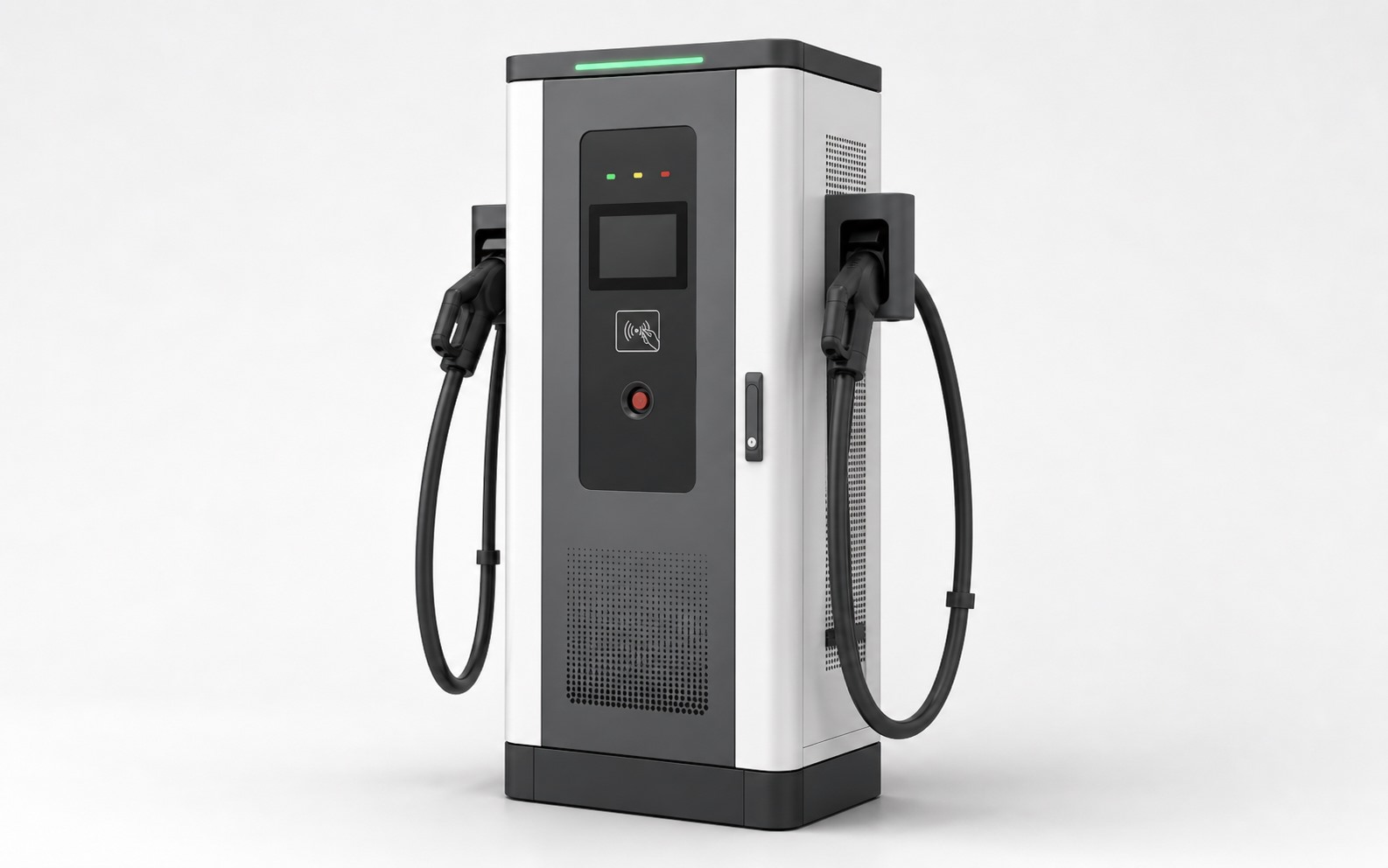
- Total cabinet power versus maximum power per dispenser or connector.
- Dynamic power-sharing logic when two or more vehicles charge simultaneously.
- Power-module granularity, redundancy, service isolation and expansion path.
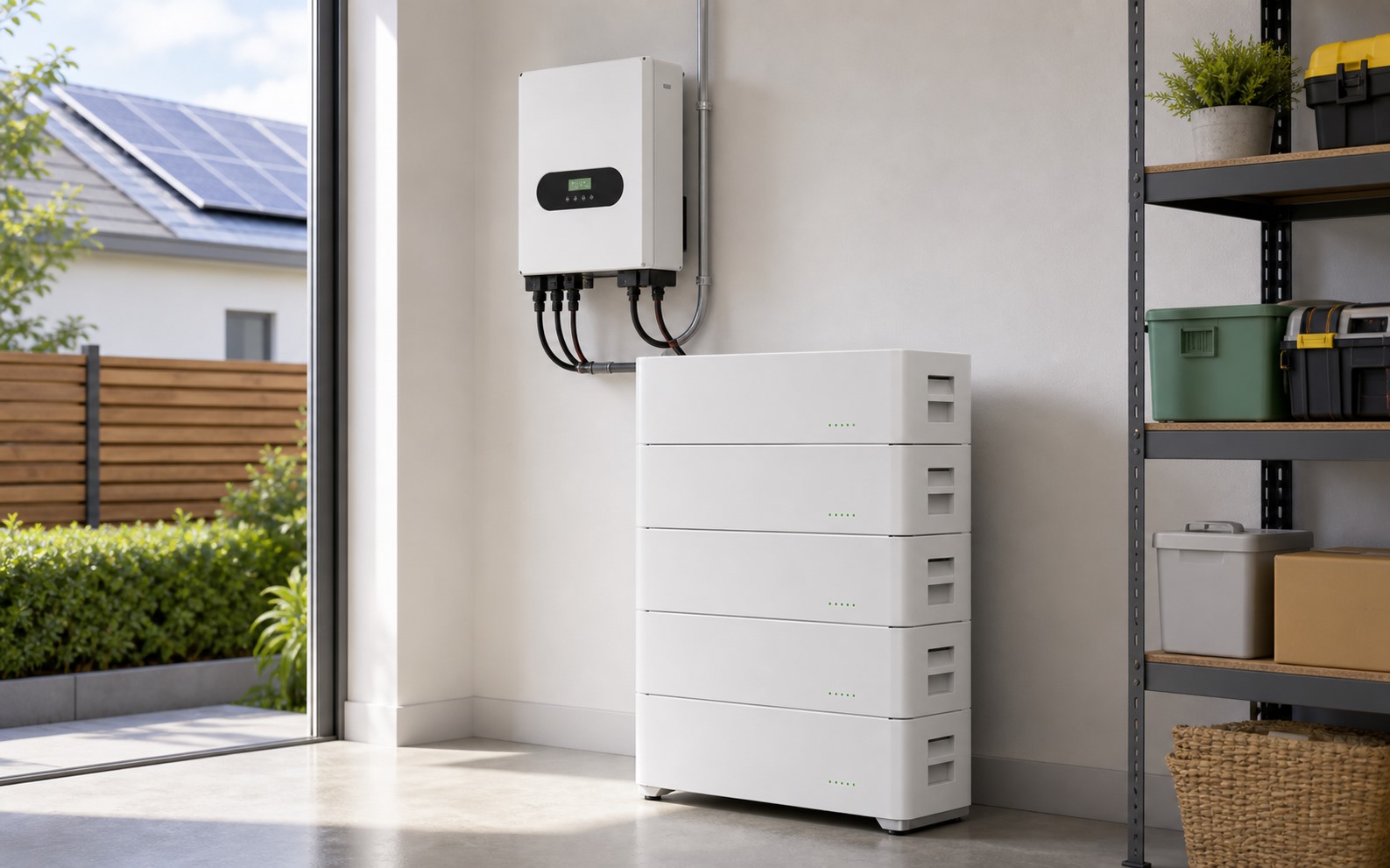
- Transformer, switchgear, demand limit and optional BESS buffer.
- OCPP or target CSMS, remote diagnostics, payment and meter integration.
- Cooling-loop monitoring, leak detection, pump redundancy and maintenance plan.
IEC 61851 and model-specific evidence
Do not treat a standards list as proof for every configuration. Request the exact report or certificate, model number, rated voltage and current, connector, issuing body, test edition and any options covered. Confirm whether the evidence applies to the complete charger, power cabinet, dispenser or a component.
For the target CSMS and vehicle, define separate interoperability and site-acceptance tests. A product report does not replace end-to-end validation.
High-power DC charger RFQ checklist
Send vehicle models, voltage range, charging curves, daily sessions, simultaneous connectors, cabinet and dispenser layout, site grid capacity, BESS option, environment, OCPP or CSMS, payment, metering, required documents, quantity and delivery schedule.
Buyer FAQ
When is liquid cooling needed?
It depends on cable current, duty cycle, ambient temperature, connector limits and handling requirements. Confirm the proposed thermal design and derating curve.
Can an 800V vehicle always take the charger's full power?
No. Vehicle current limits and the battery charging curve determine the actual power during each session.
Should a BESS be included?
Consider storage when charger peaks exceed the economical or available grid capacity, then model battery power, energy, cycling and control strategy.
Next steps
Prepare the vehicle and site load data, then request a model-specific architecture and evidence matrix through the official RFQ form.