Short answer: should a Pakistan project be sized from a net-metering rate?
No. Tariffs, eligibility, settlement rules and utility procedures can change. Verify the current NEPRA framework and the relevant distribution company requirements, then size solar, storage, inverter and EV charging equipment from measured site loads and the required operating objective.
Check current information from Pakistan's National Electric Power Regulatory Authority.
Start with the site objective
Architecture paths to compare
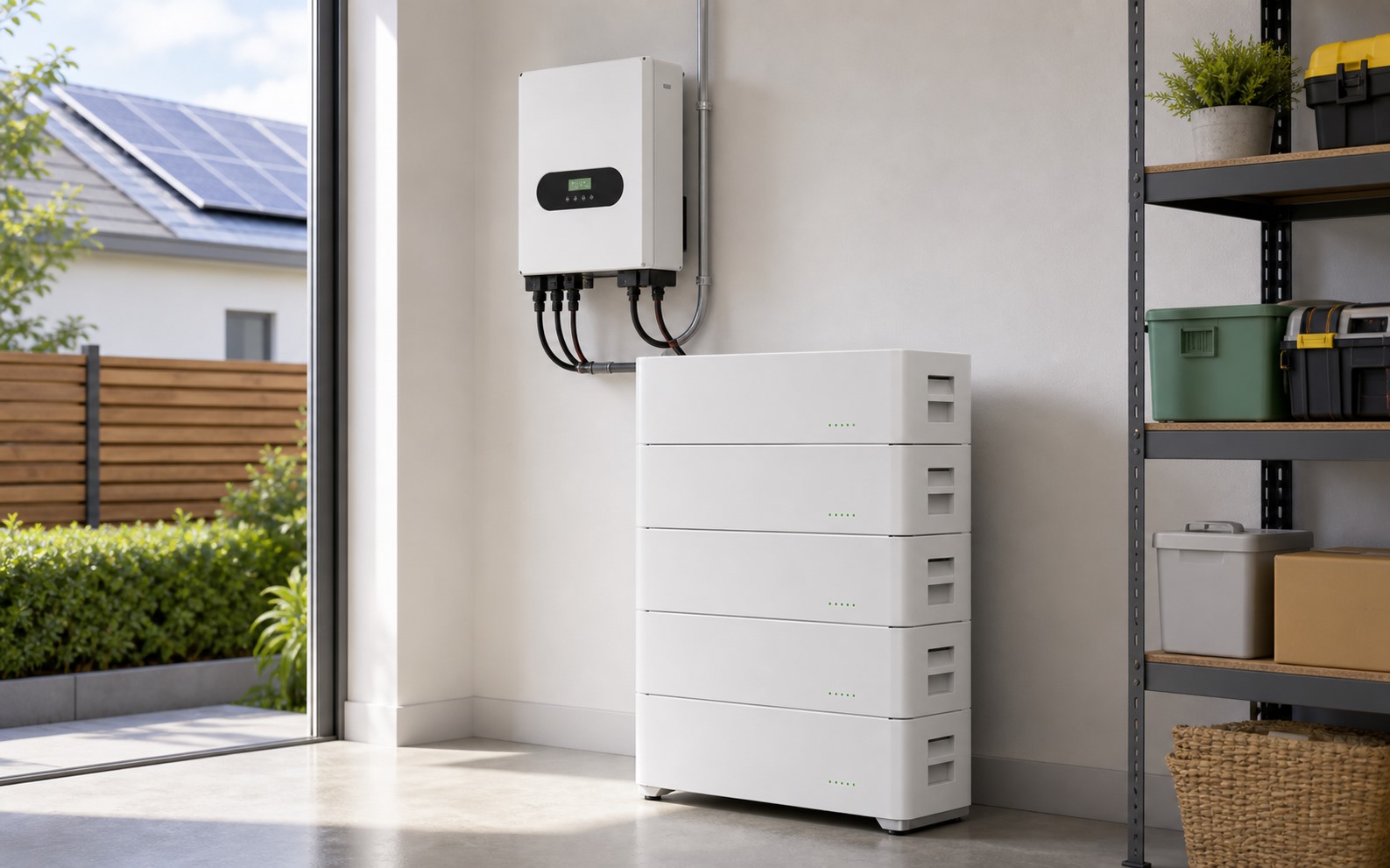
- Solar plus hybrid inverter: appropriate when self-consumption and backup are primary and battery power is moderate.
- Solar plus modular BESS: useful when energy capacity, peak power, expansion or commercial load control requires a separate storage system.
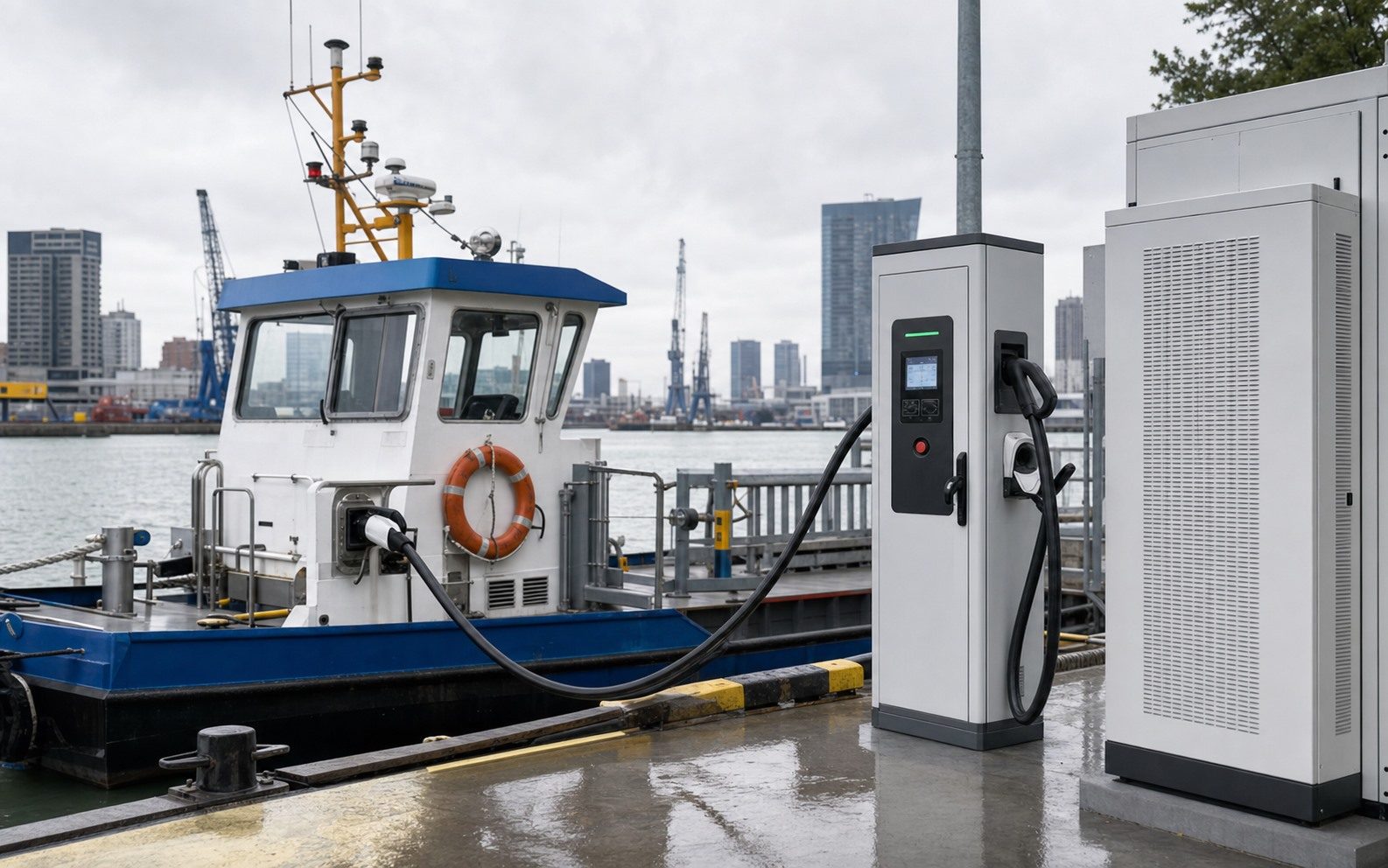
- EV charging plus BESS buffer: consider when charger peak demand exceeds the practical grid connection or tariff limit.
- Generator-integrated system: define start, stop, minimum load, charging and transfer logic before selecting the inverter or EMS.
Pakistan policy and utility due diligence
Ask the local EPC or importer to provide the current tariff order, interconnection application, meter arrangement, export limit, equipment-registration requirement, tax and customs treatment. Record the document date and responsible authority in the project file.
Do not use an old headline rate as the only financial assumption. Model scenarios for zero export, limited export and changed settlement terms so the project remains understandable if policy changes.
RFQ information for solar, BESS and EV charging
Send interval load data where available, monthly bills, outage history, PV size, generator data, critical loads, desired backup time, battery power and energy, EV fleet details, charger schedule, site voltage, installation environment and current utility documents.
Buyer FAQ
Does lower export compensation always justify a battery?
No. Battery economics depend on load timing, tariff spread, outage value, usable capacity, efficiency, cycle strategy and replacement assumptions.
Can EV chargers share the same BESS?
Yes when the EMS, charger demand, battery power, energy capacity, grid limit and reserve requirements are engineered together.
What should be confirmed locally?
Utility interconnection, metering, export, electrical approval, customs, tax, installation and service responsibilities.
Next steps
Prepare the site data and current policy documents, then request a configuration review through the official RFQ form.