Latin America's energy storage awakening
For years, Latin America was considered a secondary market for global energy storage and EV charging players. That calculus has shifted dramatically. Brazil crossed 6.5GW of distributed solar capacity in 2025, the third-largest residential solar market globally, and both Brazil and Mexico are now running multi-billion-dollar national EV incentive programs that are creating downstream demand for storage and charging hardware.
Brazil: the labeling program and behind-the-meter storage
Brazil's PNE 2050 (National Energy Plan) targets 50% renewable energy by 2030 and has driven explosive behind-the-meter (BTM) solar adoption. The country's net metering framework (called "microgeração" and "minigeração" under ANEEL Resolution 687) allows prosumers to export excess generation, creating a natural market for battery storage to maximize self-consumption.
Key market dynamics for Brazilian importers:
- Certification — INMETRO certification is required for electrical equipment sold in Brazil. The process typically takes 3-6 months via an accredited lab in China or Brazil
- Language — Portuguese-language documentation, labels, and warranty terms are mandatory
- Currency — BRL/USD volatility creates pricing complexity; many importers negotiate in USD with local price adjustment clauses
- Port entry — Santos and Itajaí are the primary entry ports; freight forwarding relationships matter for landed cost optimization
Mexico: the 140% EV growth surge
Mexico's EV market accelerated sharply in 2025, driven by federal tax incentives under the Paquete Económico and the USMCA (formerly NAFTA) supply chain integration that is making Mexico a major EV manufacturing hub. BYD, Tesla, and General Motors all have EV production lines operating in Mexico, creating a domestic market for charging infrastructure.
Mexico's regulatory framework:
- NOM standards — NOM-001-SEDE (electrical installations) applies to charger installation; equipment-specific NOM standards for EVSE are in development
- USMCA advantage — Chinese manufacturers can establish Mexican assembly operations to qualify for USMCA preferential tariffs when re-exporting to the US
- Progressive electrification — The federal government has committed to 500,000 public EV charging points by 2030
What SUNFULL offers for LatAm distributors
Our product line is well-suited to Latin American market requirements:
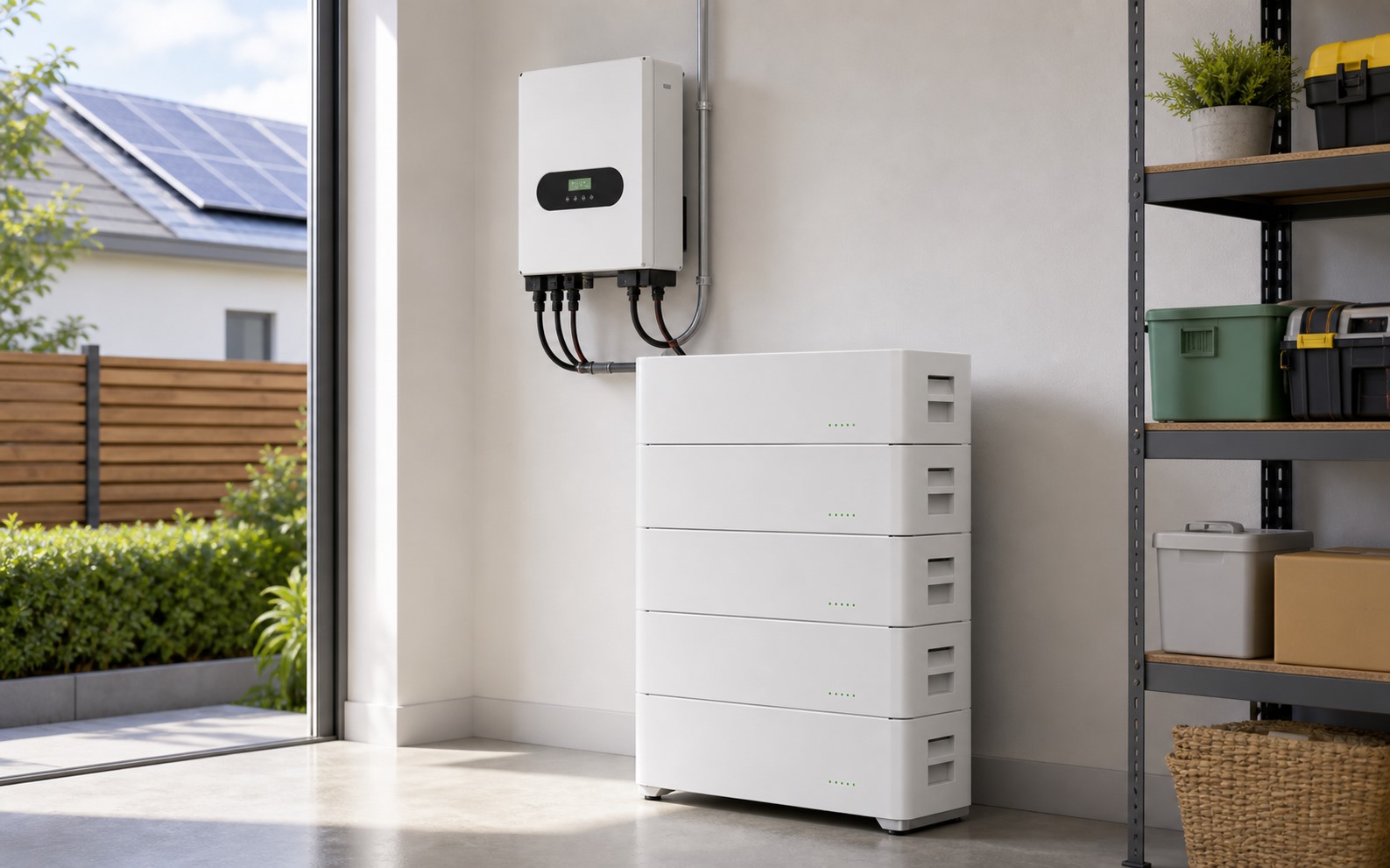
- Hybrid inverters (3-20kW) — Sized for Brazilian residential and SMB solar-plus-storage markets
- Stackable LiFePO4 BESS (5-35kWh) — CAN bus communication for Brazilian inverter brands; modular for progressive system expansion
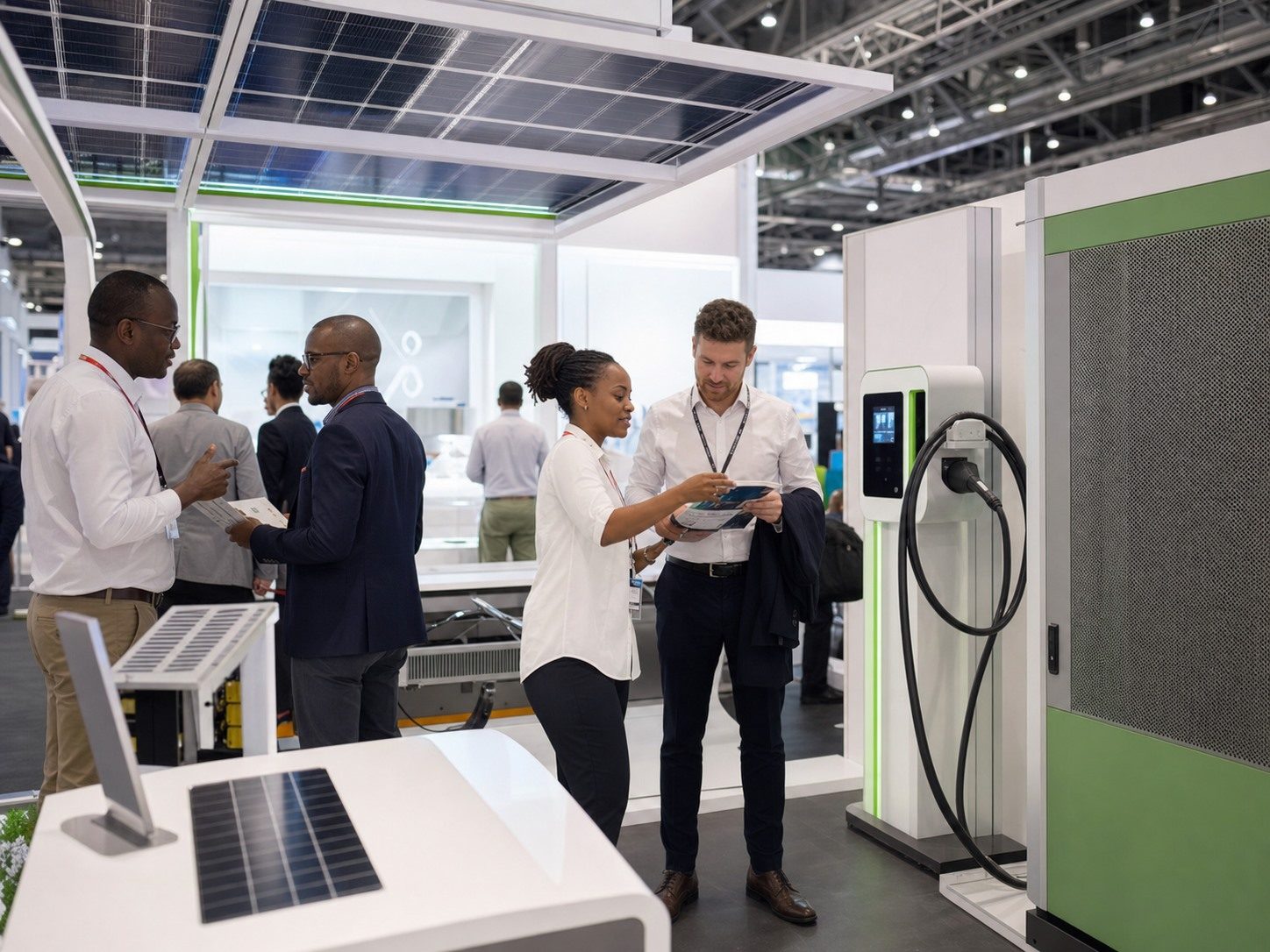
- DC fast chargers (60-180kW) — For Mexican urban charging networks and highway corridors
- INMETRO pre-certification — Several models are in active INMETRO certification process; documentation available upon request
- Spanish-language support — Datasheets, manuals, and technical documentation available in Spanish
Distribution model considerations
Latin American markets are predominantly distributor-driven rather than direct-to-end-user. Successful entry strategies include:
- Partnering with established solar distributors who already have installer networks and inverter customer relationships
- Stocking in bonded warehouses in Panama or free trade zones for duty-optimized distribution
- Offering 90-day payment terms, which are standard in Brazilian B2B markets
- Providing Spanish-language pre-sales technical support and after-sales service documentation