Load and duty review
Separate peak power in kW from required energy in kWh, then add backup duration, charge window, solar contribution and expected operating schedule.
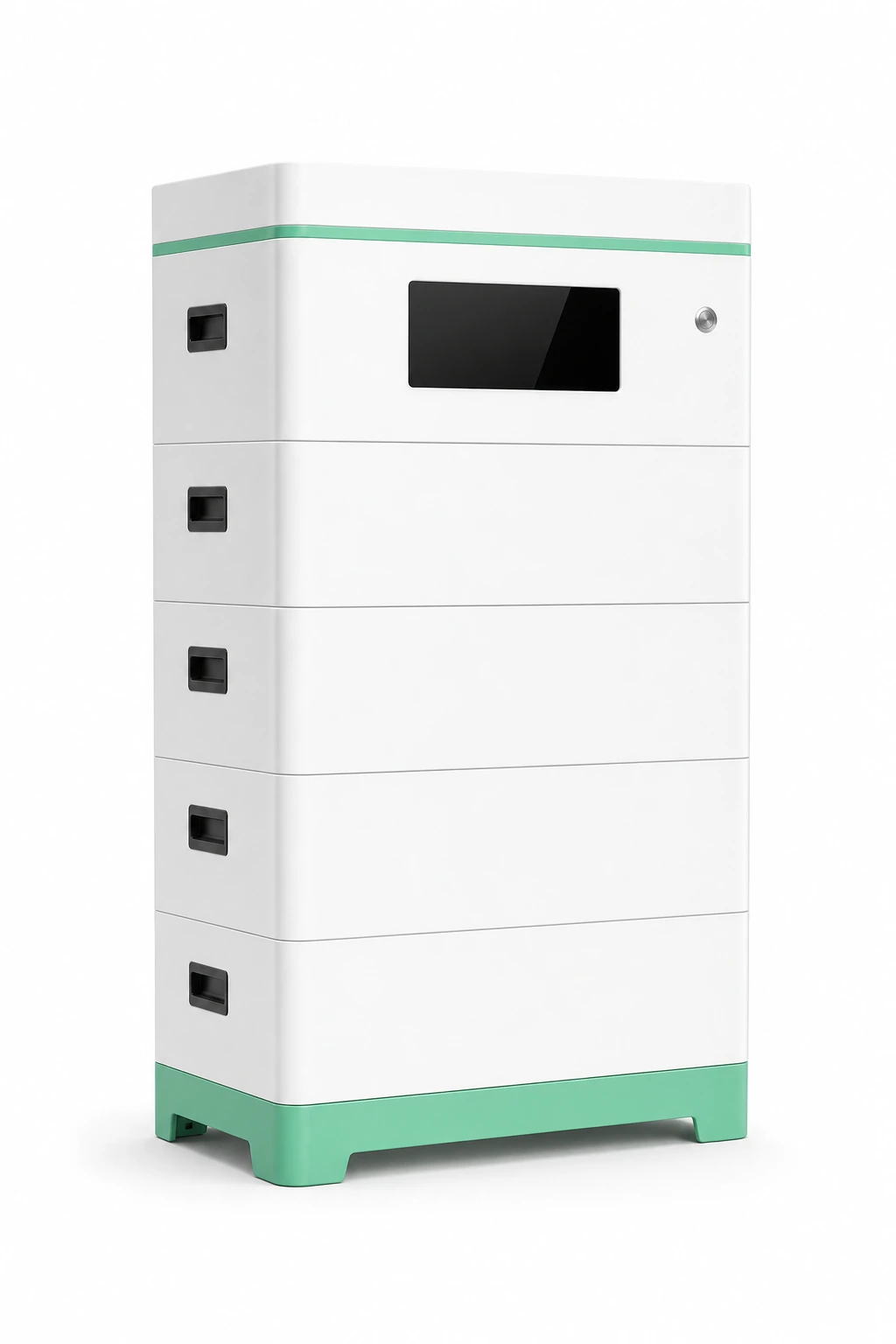
LiFePO4 battery storage systems from compact home batteries to commercial cabinets and containerized BESS for solar, backup and peak-shaving projects.
BESS sourcing depends on usable energy, battery chemistry, BMS design, PCS matching, enclosure rating, safety system and transport documentation.
Confirm nominal capacity, usable capacity, LFP chemistry, cycle life, voltage platform and cabinet or container format.
Review BMS, EMS, PCS, inverter compatibility, solar input, communication protocol and site monitoring requirements.
Request UN38.3, IEC, MSDS and project safety notes by model scope. Fire-safety design should match the installation environment.
Clarify spare parts, commissioning support, warranty, packaging, delivery term and after-sales response before comparing prices.
Displayed prices are reference ranges. Final pricing depends on configuration, quantity, destination, certificate scope and delivery term.
View all products • Check certificate scope • Request a quote
A useful BESS proposal must connect the battery platform to the load profile, inverter or PCS, control system, installation environment, transport route and documents required by the destination market. SUNFULL organizes those inputs before recommending a product family.
Separate peak power in kW from required energy in kWh, then add backup duration, charge window, solar contribution and expected operating schedule.
Confirm AC- or DC-coupled architecture, battery voltage, PCS or inverter interface, grid connection, backup loads and available switchgear information.
Define which functions belong to the BMS, PCS and EMS, which communication protocol is required, and who owns site-level dispatch logic.
Match datasheets, manuals, drawings, shipping files, safety information and certificate scope to the selected model instead of relying on a generic logo list.
Agree the configuration list, nameplate data, communication checks, alarms, packaging and evidence required before shipment.
Compare suppliers on the same system boundary, usable capacity assumptions, included equipment, spare parts, delivery term and support scope.
Capacity alone does not identify the right system. Start with load, duration, available space, installation environment, system voltage and control responsibility.
| Project task | Family to review first | Inputs that decide fit | Next route |
|---|---|---|---|
| Home solar self-consumption and backup | Wall-mounted or stackable 5–15kWh LFP battery | Essential loads, backup hours, inverter model, battery voltage, expansion plan and indoor/outdoor position. | 5kWh home battery |
| Server room or telecom backup | Rack-mounted low-voltage battery modules | DC bus, rack space, runtime, redundancy, communication, ambient temperature and maintenance access. | 10kWh rack BESS |
| Commercial peak management | Outdoor cabinet or integrated C&I BESS | Peak demand, tariff period, cycle plan, power-to-energy ratio, PCS/EMS scope, site load profile and fire strategy. | 50kWh cabinet |
| Microgrid, charging hub or factory support | Cabinet or containerized BESS | PV generation, charger or production load, grid limit, generator interface, islanding scope and dispatch strategy. | Microgrid solution |
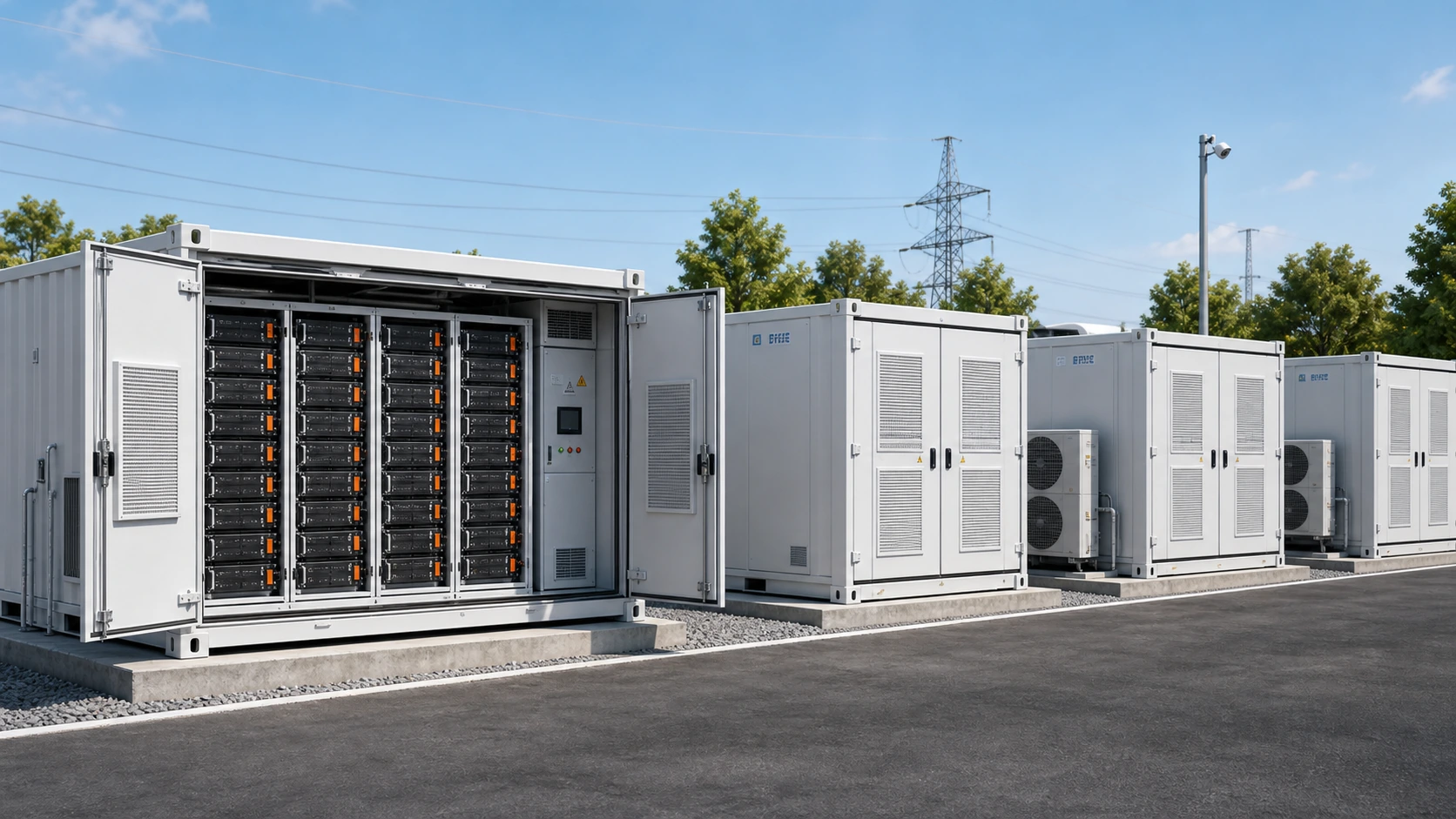
| Large stationary storage | Containerized 500kWh–1MWh family | Site single-line diagram, power block, grid interconnection, HVAC/fire design, foundation, transport and commissioning responsibilities. | 1MWh container |
A BESS may have enough energy but still be unable to supply the required peak power, or it may have adequate power but too little usable energy for the duty cycle. The review should define peak kW, continuous kW, required kWh, depth-of-discharge assumptions, reserve margin, charge time and expected cycles.
For solar, EV charging or weak-grid projects, add the PV profile, grid import limit, charger or load schedule and the periods when the battery must charge or discharge. These inputs determine whether the next conversation is about a battery module, an integrated cabinet or a complete containerized system.
Confirm cell chemistry, module arrangement, nominal and operating voltage, BMS hierarchy, current limits, balancing, alarms and communication interface.
Confirm rated power, overload need, AC phase and voltage, off-grid or backup requirement, grid interface and battery compatibility.
Define metering points, dispatch modes, tariff logic, remote visibility, data ownership, gateway protocol and responsibility for third-party integration.
List switchgear, protection, HVAC, fire provisions, auxiliary power, transformer, enclosure, cabling and site equipment included or supplied locally.
A battery chemistry label is not a complete safety case. The project team should review enclosure, installation, monitoring, alarms, transport, emergency response and maintenance together.
Share ambient temperature, altitude, indoor/outdoor position, ventilation, solar exposure and any heating or cooling constraints.
Confirm electrical isolation, over-current and insulation monitoring scope, emergency stop logic, alarm reporting and site shutdown responsibilities.
Define the applicable site design, detection and suppression responsibilities with the local engineer and authority; request the model-specific system information needed for that review.
Compare warranty and cycle statements only after aligning temperature, depth of discharge, power rate, energy throughput, maintenance and operating profile.
Provide foundation or wall/rack constraints, clearances, cable entry, drainage, access route, lifting limits, ambient conditions and the project single-line diagram.
Request packing dimensions, weights, battery shipping documentation and handling instructions for the selected configuration and destination.
Agree who performs installation, parameter setup, communication mapping, functional checks, operator training and issue escalation.
Some technical, test and compliance files are shared directly with qualified buyers because applicability depends on the model, configuration and market. Ask for the exact file set needed for your review.
Rated power and energy, voltage window, interfaces, enclosure, included equipment and operating limits.
Request filesOutline, clearance, cable entry, interface, single-line or wiring information available for the selected scope.
Request drawingsRequest the applicable MSDS, transport, label and handling information after the battery configuration is fixed.
Request packageState the destination, tender requirement and exact model so the relevant available evidence can be checked.
Review document processSupplier review should connect the product code, bill-of-material scope, nameplate, parameter file, communication interface, inspection items, packing list and available compliance documents. Generic company claims cannot replace that model-level traceability.
Store daytime generation for evening loads after matching PV, inverter, battery voltage and household or commercial demand.
Solar and storage routeReview peak kW, tariff windows, usable kWh, cycle schedule and EMS logic before estimating the commercial case.
Commercial cabinetCoordinate PV, generator, grid limit, critical load, islanding and battery dispatch within one system boundary.
Microgrid solutionUse load profiles and grid constraints to evaluate buffering, peak shaving or solar charging support without assuming the battery replaces a grid upgrade.
Planning guideThe exact evidence depends on the order, but the acceptance plan can be agreed before production so both sides know what will be checked.
Model, capacity, power, voltage, included equipment, labels, serial or batch reference and approved deviations.
Startup, shutdown, charge/discharge command, protective alarms, emergency response and selected operating modes.
BMS, PCS/inverter and EMS links, protocol mapping, monitored values, alarms and remote-access boundary where included.
Approved drawings, configuration record, packing list, available technical documents, handling guidance and support contacts.
Send peak and continuous load, daily energy, backup duration, grid limit, charge window, solar contribution and planned cycles. State whether the requested kWh is nominal or usable.
Provide AC voltage and phase, battery voltage preference, PCS/inverter model if selected, communication protocol, metering points, EMS responsibility and local protection design.
List the datasheet, drawing, manual, transport, safety, test and certificate evidence needed. Availability and applicability are confirmed after model and destination review.
Align usable energy, operating assumptions, included PCS/EMS/HVAC/fire provisions, freight, local installation, commissioning, maintenance, spare parts and warranty conditions before comparing price.
Review how storage supports EV charging, solar integration and constrained grid connections.
Map PV, battery, inverter, generator, grid and critical loads before requesting a system proposal.
Prepare load, generation, grid and charging inputs for a combined project review.
Send the application, peak kW, required kWh or backup time, AC system, grid or solar inputs, installation environment, destination, quantity and required file list. SUNFULL will respond with the product family and information needed for the next engineering review.
Request BESS Review