Direct answer
For most commercial properties, the best design starts with networked AC charging for vehicles that stay for hours, then adds DC charging only for short dwell times, high daily energy or fleet turnaround. Size the mix from parking behavior and available electrical capacity, and use managed charging where the operating plan requires more ports than the site can support at full simultaneous power.
Match charging architecture to property use
| Property pattern | Practical starting architecture | Decision trigger |
|---|---|---|
| Office or long-stay workplace | Multiple AC ports with access control and managed load | Energy needed during the working day and employee allocation policy |
| Hotel or overnight parking | AC-first design with guest access and clear support process | Overnight dwell, turnover, billing policy and cable reach |
| Retail or public parking | AC for longer visits; selected DC ports for faster turnover | Visit duration, utilization target, payment and customer-support duty |
| Fleet or service vehicles | Scheduled AC/DC mix based on route energy and departure time | Daily energy, vehicle acceptance, parking windows and contingency |
| High-turnover hub | DC-focused design with redundancy and defined operations | Vehicle voltage, peak arrivals, grid capacity, fault response and payment flow |
Five inputs determine the AC/DC mix
- How long each user group normally parks.
- How much energy vehicles need before they leave.
- How many sessions overlap and how much site power is available.
- Whether access is private, tenant-only, fleet-only or public and paid.
- What expansion, accessibility, maintenance and fault-recovery plan the operator can support.
Design for a staged rollout
- Model the first-stage demand and the long-term bay count separately.
- Reserve conduit, panel capacity, communications and physical space for expansion.
- Pilot the intended charger, access/payment and CSMS workflow on a small number of ports.
- Review utilization, failed sessions, delivered energy and support cases before the next stage.
What to confirm before you buy
- Property type and user group
- Daily energy and dwell window
- Available electrical capacity
- Access, payment and expansion plan
Where SUNFULL equipment can be considered
SUNFULL can be evaluated for the AC and DC equipment layer of a commercial-property design. A suitable configuration depends on the site's duty and must be technically confirmed; local electrical design, utility approval, permitting and installation remain the responsibility of qualified project parties.
Send parking duration, expected vehicles, daily energy, available power, access/payment needs and market so the equipment path can be discussed without assuming a one-size-fits-all package.
Options relevant to this question
These links are a starting point, not a claim that every configuration fits every market. Confirm the exact model and project scope before ordering.
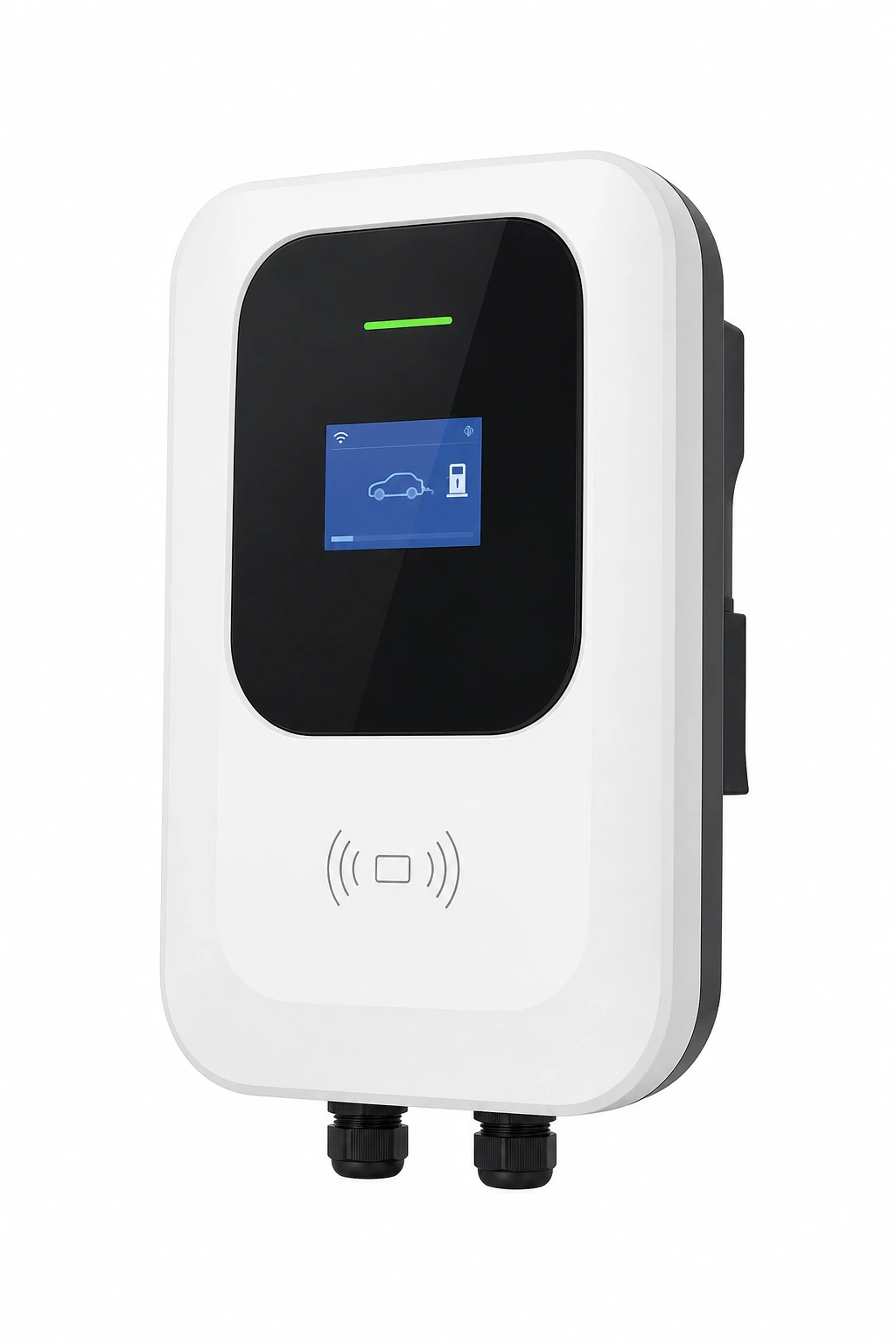
AC charger product range
Use the generic AC range to screen long-dwell parking applications before choosing an exact model.
Project check: Confirm the quoted power, connector, access/network options, protection and destination-market evidence before selection.Review this project path →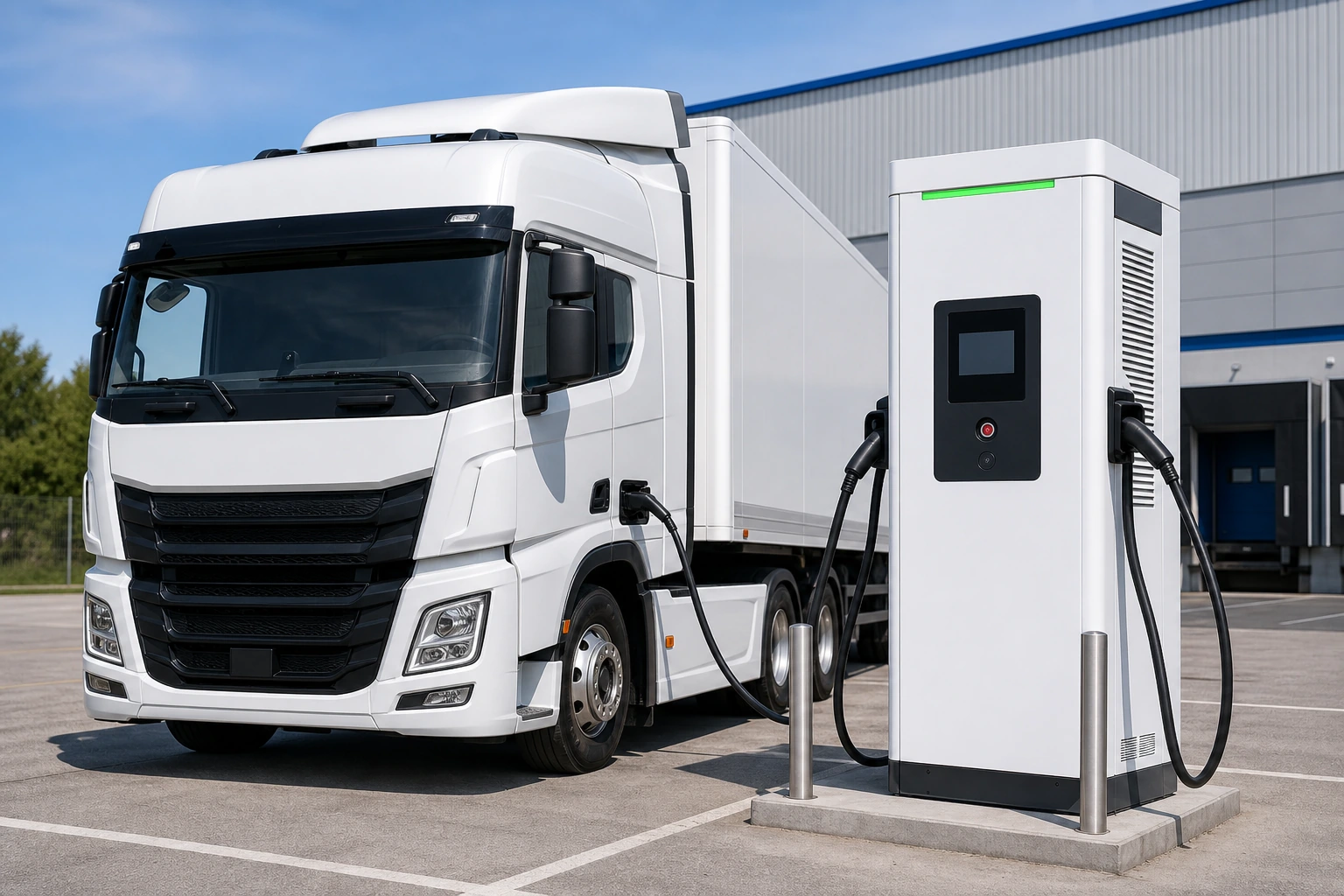
DC fast charger product range
Use the generic DC range when faster turnaround may justify DC charging and the site can support the load.
Project check: Confirm vehicle voltage, output envelope, cable/connector, cooling, communications and project documents for the quoted model.Review this project path →
AC vs DC guide for commercial parking
Use this buyer guide to compare AC, DC and mixed paths against dwell time, energy demand and site power.
Project check: The guide is a planning aid; the final mix still requires site calculations and local engineering approval.Read the buyer guide →Turn your parking pattern into an equipment brief
Send dwell times, daily energy, bay count, site power and access/payment requirements. SUNFULL can then discuss an AC-first, DC-supported or mixed equipment path subject to technical confirmation.
Compare the equipment supply scope before finalizing the site brief. See our commercial EV charger supply and RFQ scope.
Sources and further reading
- U.S. AFDC: Procurement and Installation for EV Charging InfrastructureOfficial planning guidance distinguishes workplace/public charging considerations and covers site, utility, network, payment and future-expansion inputs.
- SUNFULL AC vs DC guide for commercial parkingInternal AC/DC selection context.