Direct answer
Start with a demand schedule, not a charger catalogue. Record who will charge, arrival and departure times, energy needed, simultaneous demand and payment/access rules. Then compare an AC, DC or mixed design against the site's electrical limit, expansion plan, operating team and local requirements. The result should be a load model and one comparable RFQ.
- What are the best EV charging solutions available for commercial properties?
- How do I choose the right EV charging system for my commercial property?
Start with the complete guide: What are the best EV charging solutions available for commercial properties?.
Use a five-input selection method
- Demand: vehicles per day, battery energy needed and required departure state.
- Time: arrival pattern, dwell time and peak overlap.
- Power: service rating, transformer/panel headroom and non-EV building load.
- Operation: users, authentication, tariff/payment, support and reporting.
- Site: bay geometry, cable reach, accessibility, weather, communications and future expansion.
Test the design against the charging window
Average power required during the window = total energy required before departure ÷ usable charging hours
This is a planning check, not a final electrical design. Add vehicle acceptance limits, conversion losses, overlapping arrivals, reserve capacity and contingency before choosing equipment.
Convert the preferred design into an RFQ
| RFQ section | State explicitly |
|---|---|
| Equipment | AC/DC type, required ports, power envelope, connector and cable reach |
| Control | CSMS, protocol/version, user roles, charging schedules and offline behavior |
| Payment/access | Private, RFID, app, QR or terminal workflow and operating responsibility |
| Project evidence | Market, applicable documents, inspection/FAT and site acceptance requirements |
| Commercial | Quantity, delivery location, Incoterms, commissioning boundary, spares and support |
What to confirm before you buy
- Vehicles and departure target
- Usable charging hours
- Site power and non-EV load
- Bay, network and future constraints
What to send SUNFULL
SUNFULL can discuss the AC/DC equipment path after the buyer supplies the five inputs above. Any recommended configuration remains subject to technical confirmation, exact product availability and project-stage evidence; it does not replace a local engineer's service, protection or permitting review.
Ask the response to show the proposed equipment, assumptions, options, deviations and documents available for the exact project.
Options relevant to this question
These links are a starting point, not a claim that every configuration fits every market. Confirm the exact model and project scope before ordering.
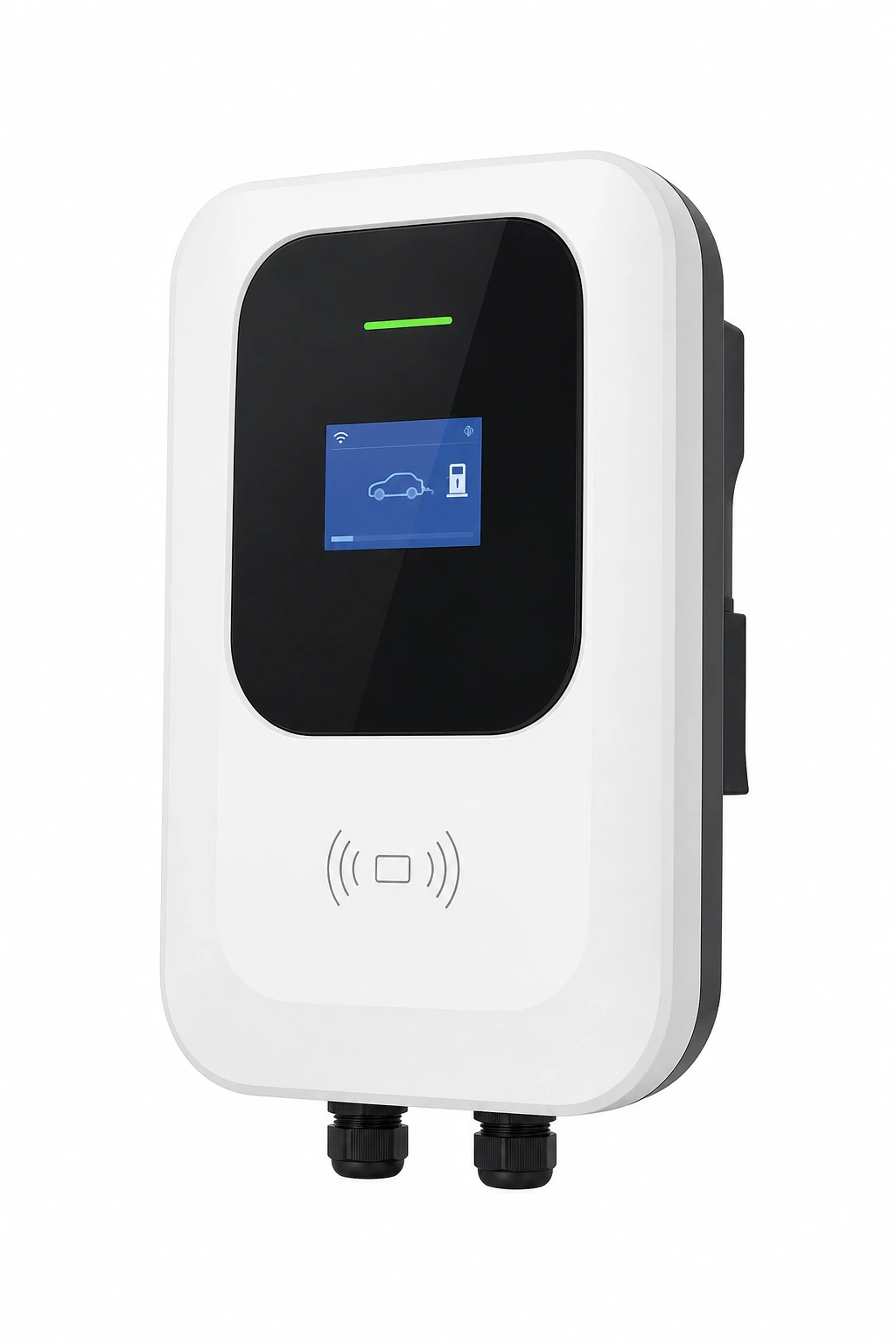
AC charger product range
Review this range if parking windows are long enough to meet the energy target with AC charging.
Project check: Confirm model, power, connector, network/access and market scope after the load model is complete.Review this project path →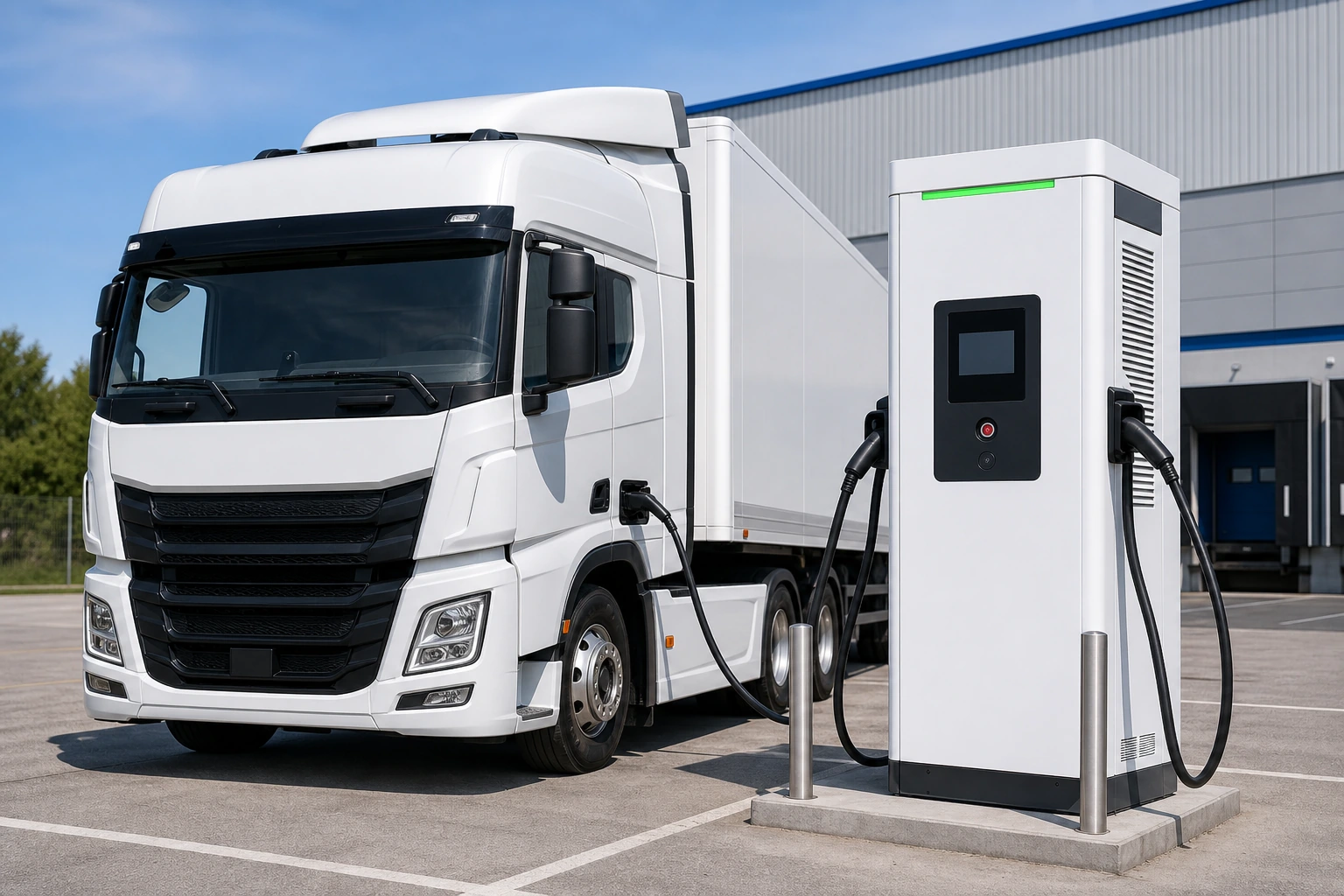
DC fast charger product range
Review this range if departure deadlines or turnover require more energy in a shorter window.
Project check: Confirm vehicle-voltage output, simultaneous behavior, cooling, site interface and exact configuration.Review this project path →
Commercial charging RFQ checklist
Use this buyer guide to turn the property brief into one comparable equipment and integration request.
Project check: A checklist does not replace local electrical, civil or regulatory approval.Read the buyer guide →Send the five inputs for a configuration discussion
Provide vehicle demand, charging window, site power, operating workflow and site constraints. The response can then identify an AC, DC or mixed candidate and the remaining engineering questions.
Sources and further reading
- U.S. AFDC: Procurement and Installation for EV Charging InfrastructureOfficial checklist for demand, equipment type, utility, networking/payment, site, codes, installation and operation.
- SUNFULL commercial EV charger RFQ checklistInternal RFQ input structure.