Direct answer
Dynamic load balancing repeatedly calculates an EV charging power envelope from the electrical limit minus non-EV load and a designed reserve, then allocates that envelope across active sessions. Control may be local, CSMS-based or hybrid, but meter quality, update latency, charger command support and safe behavior during communication loss determine whether it works. OSCP can communicate capacity forecasts, but the Open Charge Alliance currently states that OSCP is not being actively managed or developed within OCA, so buyers should not treat it as the default current architecture. SUNFULL can review charger-side requirements; the meter, controller, protocol and fail-safe behavior are confirmed only in the project design.
The control loop in four steps
- Measure or receive load at the chosen boundary: feeder, panel, transformer or site connection.
- Subtract the non-EV load and a protection or operating reserve from the approved limit.
- Allocate the remaining envelope across eligible charging sessions using agreed priorities or schedules.
- Send new limits, verify the chargers respond and repeat at the designed update interval.
Decide where the intelligence lives
OSCP is a historical option for communicating available-capacity forecasts, but OCA's current protocol page says it is not being actively managed or developed within OCA. A project should therefore name the actually maintained interfaces used by its meter, controller, CSMS and chargers instead of assuming OSCP is a current mainstream requirement.
| Architecture | Strength | Evidence to request |
|---|---|---|
| Local controller | Can keep a site rule close to the meter and chargers | Supported interfaces, controller redundancy and offline behavior |
| CSMS control | Can coordinate users, tariffs, schedules and multiple sites | OCPP functions, latency, network dependency and fallback profile |
| Hybrid | Local electrical safety boundary plus wider scheduling logic | Authority hierarchy, conflict resolution and recovery after reconnection |
Commission the failures, not only the happy path
A dynamic load balancing ev charger is one element within commercial ev charging solutions. Commission the complete chain—meter, gateway or controller, CSMS where used, charger and electrical protection—against the actual site boundary.
Test peak building load, rapid load changes, phase limits where relevant, meter loss, stale data, controller restart, network loss, charger non-response and recovery. The approved local limit must remain safe when communications are unavailable.
What to confirm before you buy
- Single-line diagram and operating limit
- Meter/controller architecture
- Number and type of charge points
- Allocation priorities
- Offline and failure-state requirements
Define the SUNFULL charger-side scope
SUNFULL can review the proposed electrical boundary, allocation method, target controller or CSMS and the command or profile behavior required from candidate chargers. Meter hardware, controller topology, update rates, OCPP smart-charging functions, fallback limits and commissioning results must be documented for the exact project. The existence of a dynamic-load-balancing page is not proof that every SUNFULL charger implements the same architecture.
Options relevant to this question
These links are a starting point, not a claim that every configuration fits every market. Confirm the exact model and project scope before ordering.
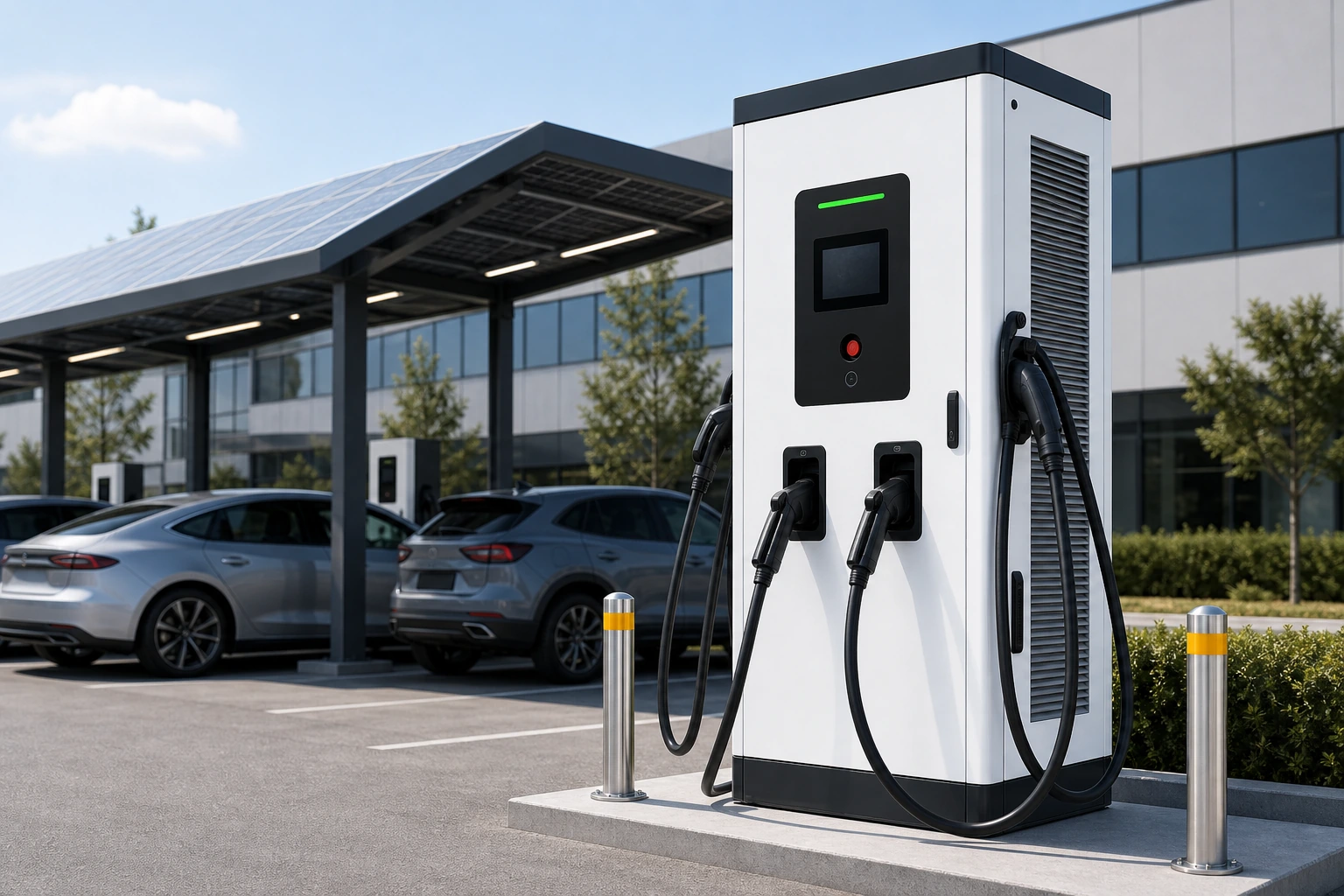
Fleet and site load-balancing guide
Use the guide to turn site limits, charging priorities and failure cases into commissioning requirements.
Project check: Guidance does not replace the project single-line design, protection study or site acceptance test.Read the buyer guide →
What is a CSMS? Buyer guide
Use the guide to separate local controls, CSMS functions, OCPP commands and operating responsibilities.
Project check: It does not prove a specific controller topology, protocol profile or safe fallback behavior.Read the buyer guide →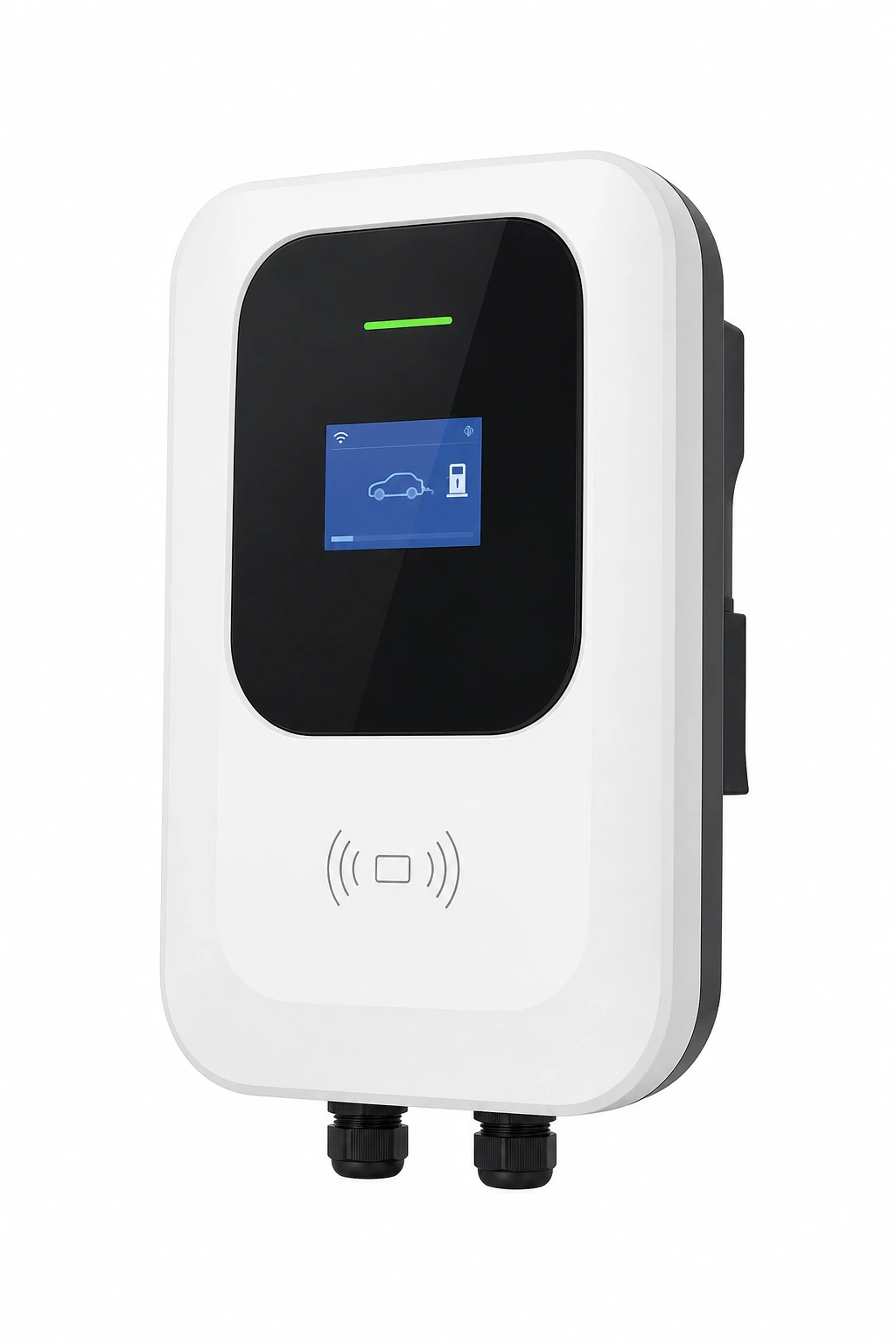
Commercial AC charger category
Use the category only after the site's allocation method and charger-side command requirements are fixed.
Project check: Category inclusion does not establish dynamic load-balancing support for any model or firmware.Review this project path →Send the electrical boundary and failure rules
Share the single-line diagram, approved site limit, meter/controller concept, charger count and offline behavior. SUNFULL can review the charger-side requirements and identify what must be demonstrated.
Carry the site limit, controller interface and failure rules into the equipment RFQ. See our commercial charger and site-control requirements.
Sources and further reading
- U.S. Department of Energy — Managed EV Charging for Federal FleetsNetworked chargers can adjust power or timing in response to vehicle, facility and grid constraints.
- Open Charge Alliance — Open Smart Charging ProtocolOCA describes OSCP capacity forecasts and states that OSCP is not currently being actively managed or developed within OCA.
- Open Charge Alliance — OCPP FAQOCPP functions and certification profiles require explicit implementation and verification.