Direct answer
DC fast charging can transfer much more energy during a short stop because the station supplies DC directly to the vehicle battery system, rather than relying on the vehicle's onboard AC charger. Its main benefits are faster turnover, more daily energy per parking bay and better support for vehicles with short dwell times. Level 2 is usually simpler and less demanding on the site, so it remains the better choice when vehicles park for hours. Actual session power and time always depend on the vehicle, battery state, temperature and charger output envelope.
What DC fast charging changes
- Shortens the time needed to deliver a defined amount of energy when the vehicle can accept it.
- Increases potential bay turnover for public, retail, highway and opportunity-charging sites.
- Can recover route energy between fleet shifts when overnight AC is insufficient.
- Moves power conversion, cooling and service complexity into the off-board charging station.
Decision worksheet: dc fast charger vs level 2
| Decision factor | Level 2 AC usually fits | DC fast charging usually fits |
|---|---|---|
| Parking time | Several hours or overnight | Minutes to roughly an hour, depending on energy need |
| Vehicle limit | Onboard AC charger rating | Vehicle DC voltage, current and charging curve |
| Site impact | Lower power per port; easier managed expansion | Higher service, transformer and demand implications |
| Operations | Destination or routine return-to-base charging | Turnover, corridor charging or tight fleet departures |
Compare energy delivered, not a charging-time slogan
Define the kilowatt-hours each vehicle must receive and the time available. Then compare the charger's output curve with the vehicle's acceptance curve across state of charge and expected temperature. The lower limit at each moment controls the session.
Include queuing, cable reach, power sharing, demand charges, preventive maintenance and one unavailable port. A mixed AC/DC site often performs better than replacing every AC position with DC.
What to confirm before you buy
- Energy required per visit
- Typical and worst-case dwell time
- Vehicle inlet and maximum AC/DC acceptance
- Site voltage and power limit
- Expected daily sessions
Selecting an AC or DC path with SUNFULL
The AC/DC choice can be screened against SUNFULL's current categories once dwell time, required energy, vehicle interface and site power are known. Any proposed model, output curve, connector and destination-market documents would be confirmed in the project response.
The common term 'Level 3' does not identify a SUNFULL model or guarantee a session time.
Options relevant to this question
These links are a starting point, not a claim that every configuration fits every market. Confirm the exact model and project scope before ordering.
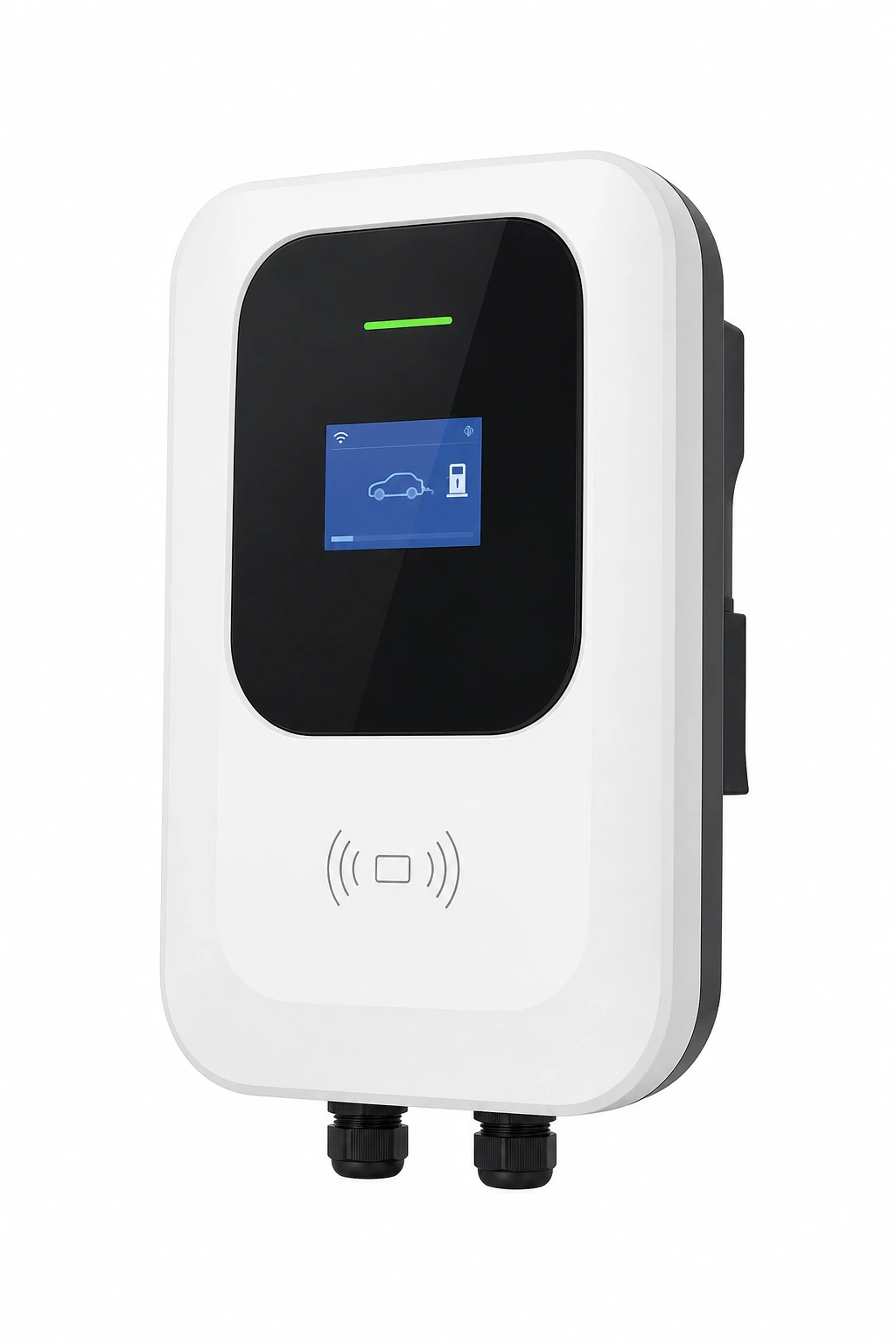
AC charger range
Starting point for long-dwell parking and managed multi-port deployments.
Project check: category-only; exact model confirmation requiredReview this project path →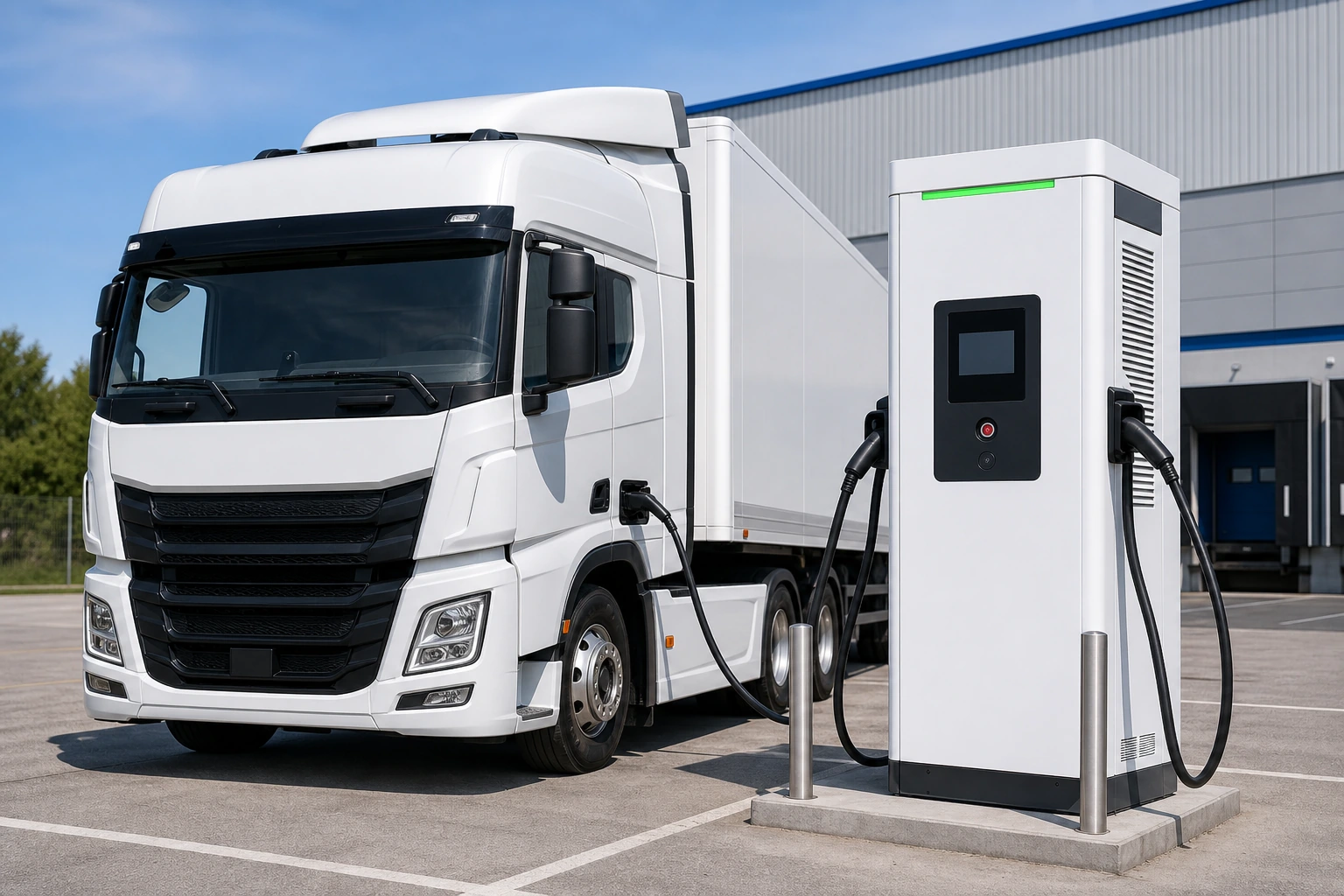
DC fast charger range
Starting point when energy must be delivered during a shorter stop.
Project check: category-only; actual session performance is vehicle- and model-dependentReview this project path →
Commercial EV charger RFQ checklist
Use for mixed AC/DC sites and shared infrastructure decisions.
Project check: buyer guide; local engineering and model evidence remain requiredRead the buyer guide →Compare the two options with real energy and time inputs
Send the vehicle list, kilowatt-hours required per visit, dwell time and site power. SUNFULL can identify an AC, DC or mixed path for technical review.
Sources and further reading
- Electric Vehicles for ConsumersExplains Level 1/2 and DC fast charging connector use.
- IEC 61851-1: Electric vehicle conductive charging system - General requirementsDefines the general conductive charging system scope.
- IEC 61851-24: Digital communication for DC chargingCovers DC EVSE-to-vehicle communication for DC power transfer.