Direct answer
Commercial charging can support tenants, employees, guests, fleet readiness or paid public use, but the value depends on the property's objective and utilization. Compare those benefits with equipment, grid/site work, software, energy, payment, maintenance and downtime costs. Use low, base and high scenarios; no charger purchase guarantees revenue or a payback period.
Match the benefit to the property objective
| Property objective | Potential value to measure | Do not assume |
|---|---|---|
| Employee or tenant service | Eligible users, sessions, satisfaction, retention or lease value | Every installed port will be heavily used |
| Hotel or retail amenity | Guest use, repeat visits, dwell time and service perception | Charging alone causes additional sales |
| Fleet operation | Departure readiness, energy cost, vehicle availability and avoided route disruption | All vehicles can accept the charger's full power |
| Paid public charging | Sessions, delivered energy, tariff revenue and repeat users | Headline tariff equals profit |
| Compliance or sustainability | Project milestones and documented energy/use outcomes | A charger automatically satisfies every reporting or regulatory goal |
Build a transparent business case
Net operating contribution = charging and property-related value − electricity − demand charges − software/connectivity − payment fees − maintenance − downtime/service cost
- Low case: slower adoption, lower utilization and higher site or support cost.
- Base case: defensible utilization and current quoted costs.
- High case: stronger use, but without removing maintenance, downtime or expansion costs.
- Sensitivity test: vary utilization, tariff, energy cost, demand charges and grid-upgrade cost one at a time.
Measure the result after launch
- Utilization by port and hour, delivered energy and session duration.
- Successful starts, failed transactions, downtime and time to recover.
- Revenue, payment fees, electricity and demand cost where applicable.
- Support cases, maintenance spend and repeat usage.
- The property-specific outcome: fleet readiness, tenant use, guest use or public-service target.
What to confirm before you buy
- Business objective and user group
- Expected sessions and energy
- Available site power
- Operating model and scenario assumptions
How SUNFULL can support the equipment decision
SUNFULL can discuss an AC, DC or mixed equipment path and provide a project quotation based on the supplied duty. The buyer retains responsibility for the business-case inputs, local site/grid costs and operating assumptions; SUNFULL should not be presented as guaranteeing utilization, revenue, savings or payback.
Request equipment and option costs for the defined scenario, then combine them with current local utility, construction, software/payment and maintenance quotations.
Options relevant to this question
These links are a starting point, not a claim that every configuration fits every market. Confirm the exact model and project scope before ordering.

EV charging business-model guide
Use this buyer guide to connect the property objective with utilization, cost and low/base/high scenario inputs.
Project check: The guide does not provide or guarantee a project ROI, utilization or payback period.Read the buyer guide →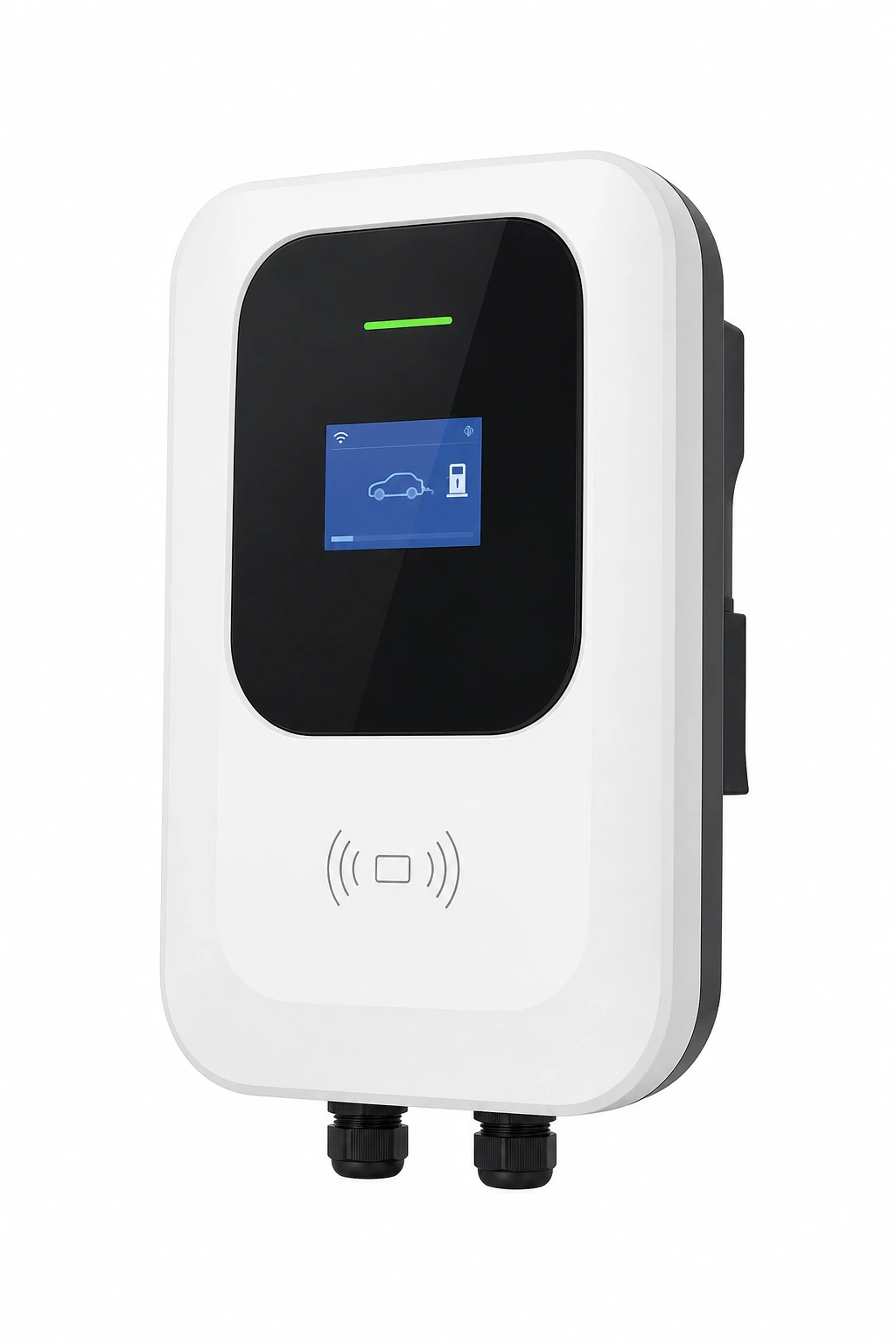
AC charger range
Consider AC when long dwell times can meet the energy need across more parking bays.
Project check: Final configuration and market evidence must be confirmed for the selected model.Review this project path →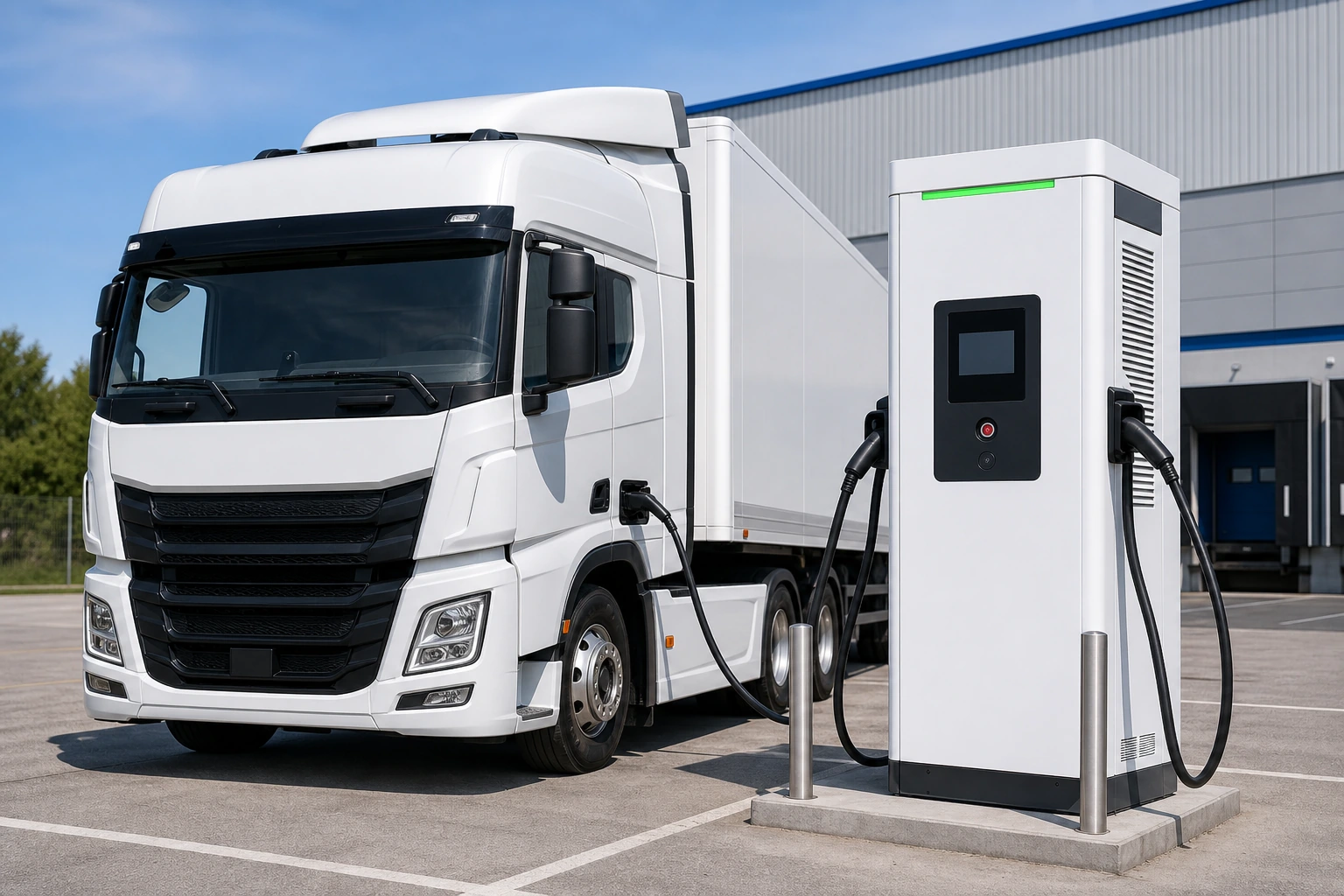
DC fast charger range
Consider DC when the value model depends on faster turnover, fleet readiness or short charging windows.
Project check: Higher nameplate power does not by itself prove higher utilization, revenue or net benefit.Review this project path →Price the equipment for your business-case scenarios
Send the site type, users, charging window, expected energy, available power and operating model. Ask for equipment options for the same low/base/high case assumptions rather than an ROI promise.
Separate charger supply, software options and local works when comparing project costs. See our commercial charger equipment and RFQ checklist.
Sources and further reading
- U.S. AFDC: Procurement and Installation for EV Charging InfrastructureOfficial planning guidance covering site goals, utilization, equipment, utility, networking/payment, costs and ongoing operation.
- SUNFULL EV charging station business model guideInternal business-model and sensitivity context.