Direct answer
In North America, J1772 commonly refers to the AC connector used for Level 1 and Level 2 charging. CCS1, also called the J1772 Combo interface, retains the upper J1772 geometry and adds two large DC contacts below it for DC fast charging. A CCS1 vehicle inlet can be designed to accept the J1772 AC plug in its upper section, but a J1772-only inlet cannot accept a CCS1 DC plug. Connector shape alone does not prove electrical, communication, vehicle or certification compatibility.
Procurement view: j1772 vs ccs
| Item | J1772 AC | CCS1 DC |
|---|---|---|
| Charging path | AC enters the vehicle's onboard charger | The station supplies controlled DC to the vehicle battery system |
| Typical use | Home, workplace and long-dwell public charging | Public fast charging and time-sensitive commercial use |
| Physical interface | Upper AC coupler | Upper interface plus two DC power contacts |
| Power limit to verify | Vehicle onboard charger, supply and cable | Vehicle DC curve, station voltage/current envelope and cable |
Do not buy from the connector name alone
- Confirm the vehicle make, model year and inlet—not only the target country.
- State AC or DC mode, supply voltage and required current.
- Request the exact connector drawing, cable rating, length and thermal design.
- Separate coupler evidence from the charger's electrical safety, EMC and network evidence.
- If an adapter is proposed, require vehicle-OEM and adapter-specific approval evidence.
Related North American terminology
In search and RFQ notes, the shorthand j1772 ccs often hides two different charging modes. Rewrite it as 'J1772 AC' or 'CCS1 DC' before asking for a quotation so suppliers return comparable configurations.
SAE J3400 is a separate North American coupler standard designed for AC single-phase or DC transfer over the same principal contacts. It should not be treated as interchangeable with J1772 or CCS1 without exact vehicle, charger and adapter evidence.
What to confirm before you buy
- Vehicle models and model years
- AC or DC charging mode
- Required supply and output
- Connector and cable requirements
- US state, authority and document checklist
What SUNFULL needs before discussing a US connector configuration
A connector inquiry starts only after SUNFULL receives an exact charger requirement and target vehicle list. Current model drawings, electrical scope and destination-market documents would need to be confirmed before any product is represented as J1772, CCS1, J3400/NACS or US-ready.
No specific SUNFULL product is presented on this page as a verified US-market connector solution.
Options relevant to this question
These links are a starting point, not a claim that every configuration fits every market. Confirm the exact model and project scope before ordering.
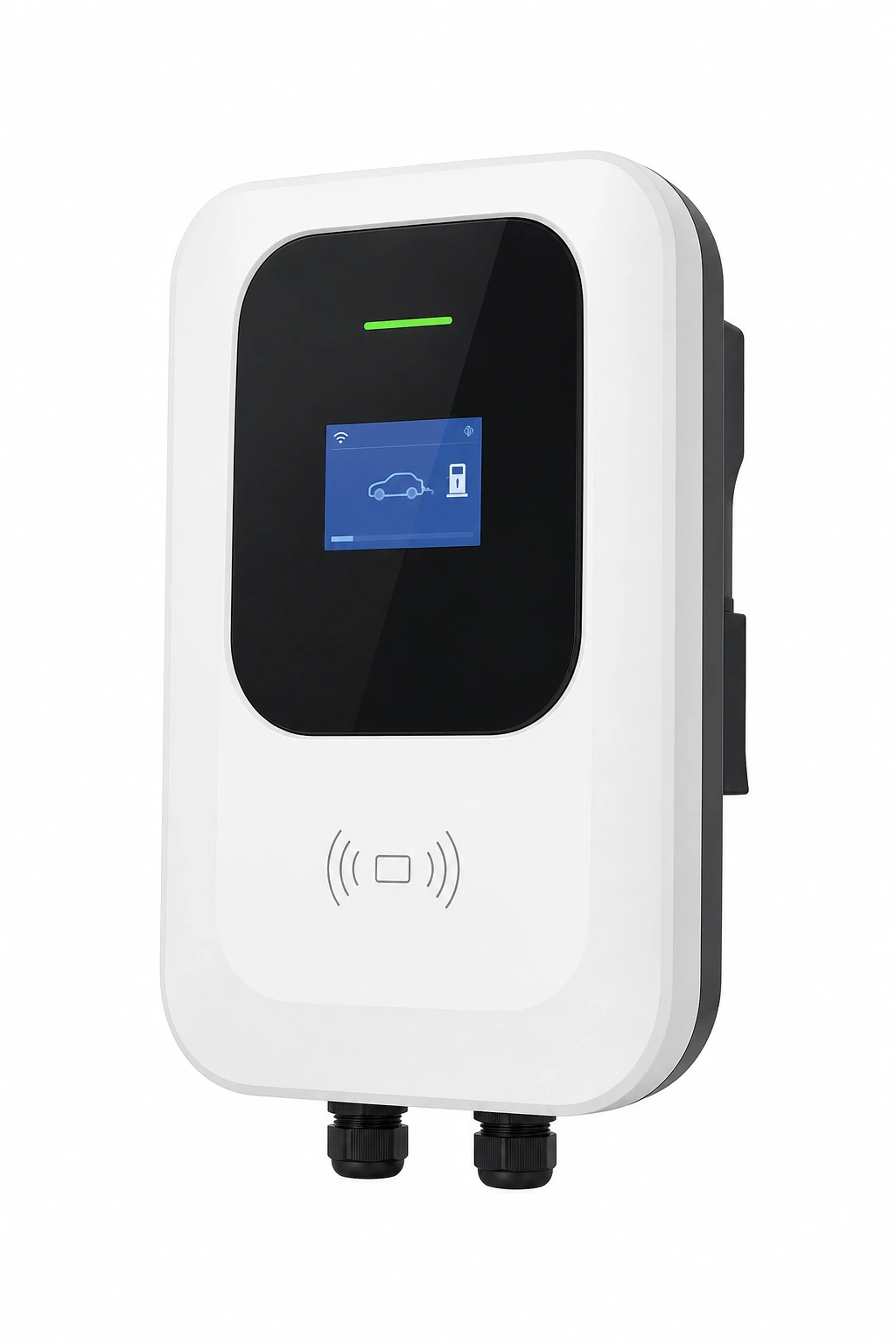
AC charger category
Review only after the requested AC connector and US evidence scope are defined.
Project check: category-only; J1772 compatibility is not impliedReview this project path →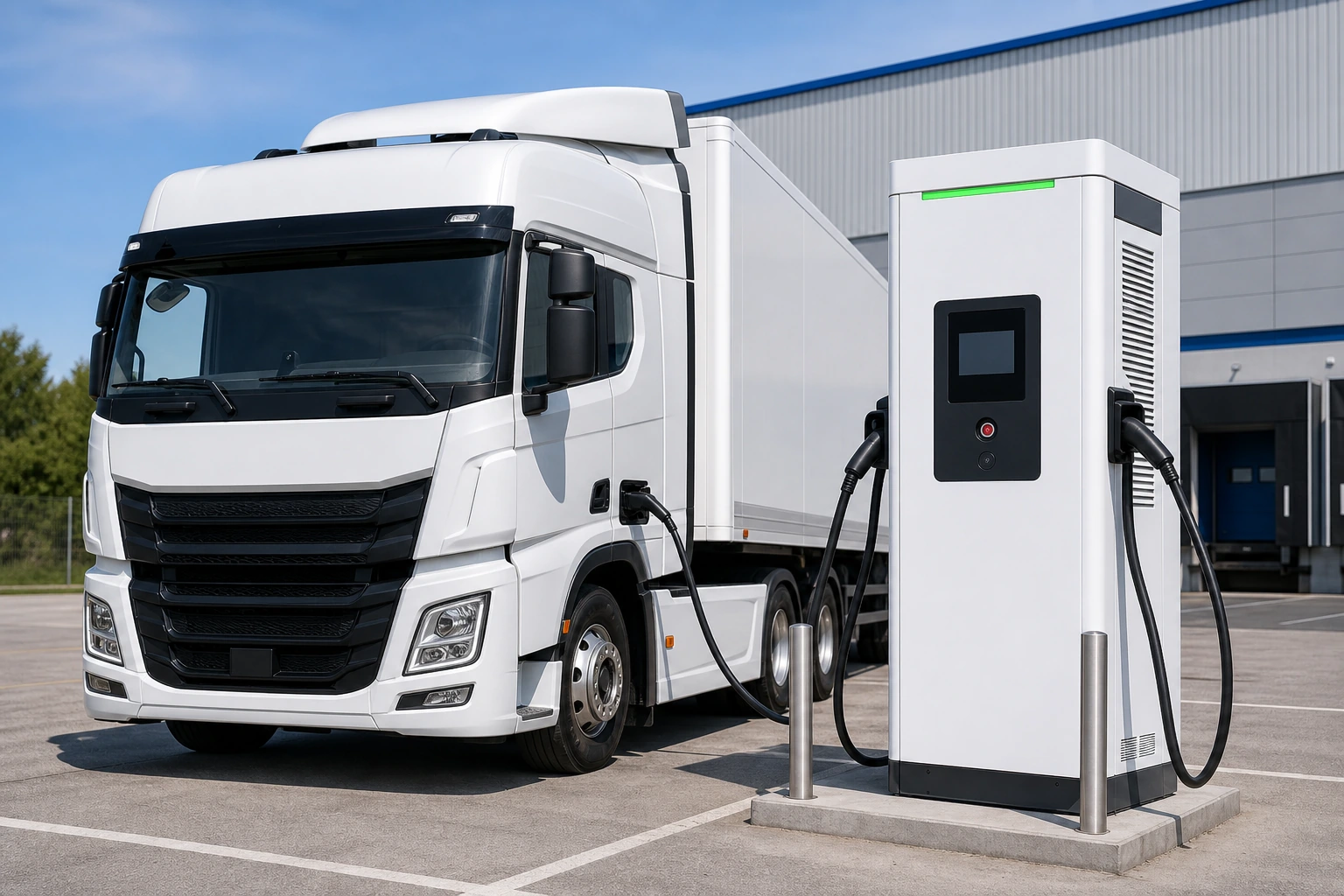
DC fast charger category
Review only after CCS1 or other DC interface requirements are documented.
Project check: category-only; CCS1 or NACS availability is not impliedReview this project path →
Connector procurement guide
Use as a general interface checklist; confirm the North American standard separately.
Project check: educational resource, not a US product approvalRead the buyer guide →Send the vehicle list before requesting a connector quote
Include vehicle model years, AC/DC mode, site voltage and the required US evidence. SUNFULL can then confirm whether a current configuration should proceed to technical review.
Sources and further reading
- Charge Couplers - SAE J1772 topic and standards overviewUse to identify the current coupler standards and revisions.
- SAE J3400 North American Charging SystemDefines the current North American Charging System coupler requirements for AC or DC power transfer.
- Electric Vehicles for ConsumersSummarizes US Level 1/2 and DC fast charging connector usage.