Project Background
Service-area operators wanted high-power charging but faced grid capacity limits, demand charges and long utility upgrade timelines.
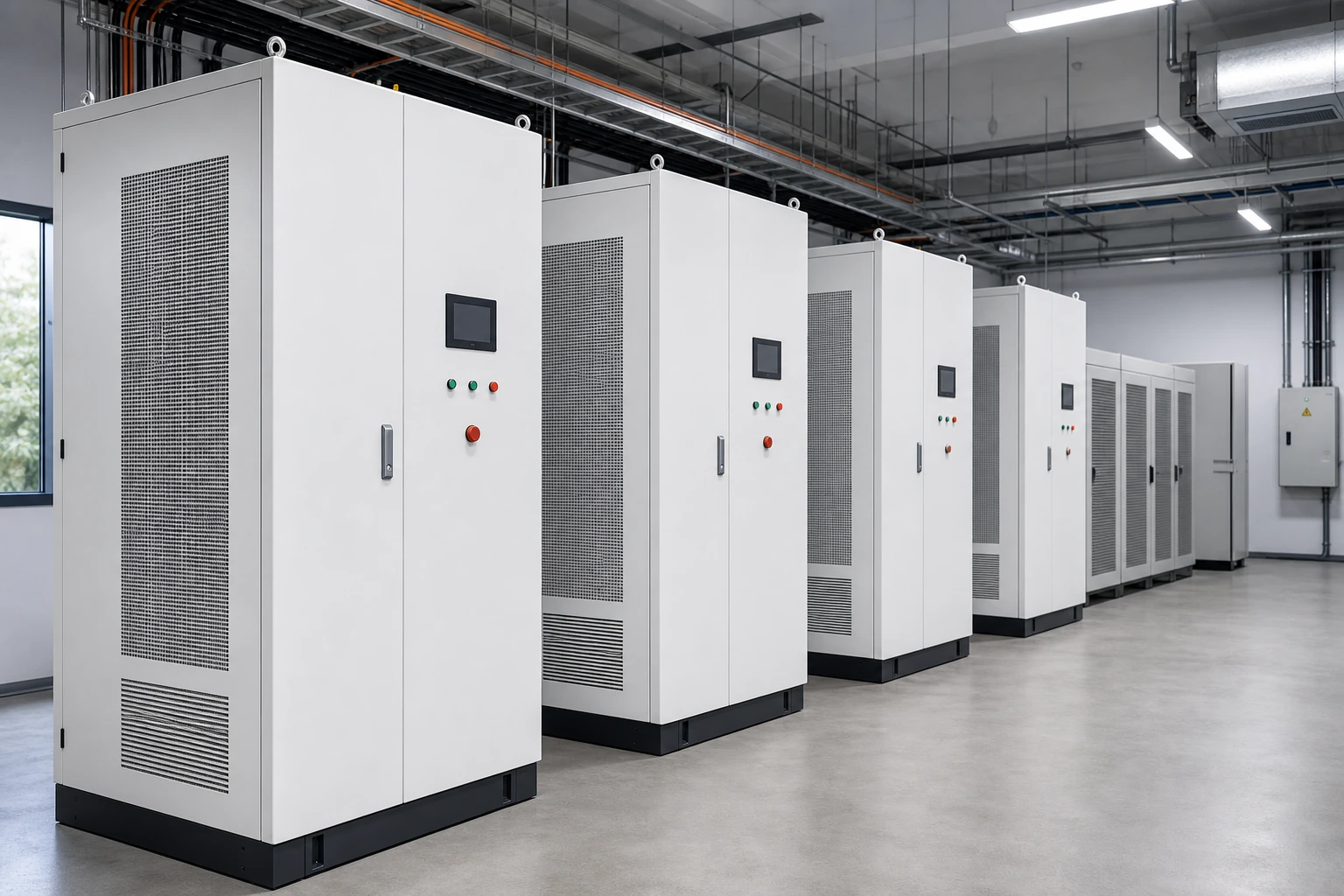
SUNFULL Approach
- Designed the site around charging peak windows instead of charger nameplate power alone.
- Used BESS buffering to smooth demand and support multiple charging events.
- Prepared RFQ inputs for transformer capacity, vehicle mix and expected charging sessions per day.
Result and Buyer Takeaway
The configuration gave the buyer a practical alternative to immediate grid upgrades and improved the commercial case for staged highway charging rollout.
RFQ checklist for a similar project
Send destination country, charger power or storage capacity, site type, expected quantity, connector standard, communication protocol, certification needs, branding requirements and target delivery schedule.
Highway charging procurement notes
For highway fast charging, confirm target charger power, transformer limits, BESS buffering need, cable cooling, service-area dwell time, payment workflow, site uptime target and remote monitoring requirements.
Buyer route for similar projects: start with the commercial EV charger page, verify factory capability on the factory page, confirm documents on the certificates page, and use the OEM factory page if branding, firmware or packaging is part of the order.
Project details SUNFULL needs before recommending AC/DC chargers
For a similar project, a useful RFQ should include the country, site type, available grid capacity, expected vehicles per day, preferred AC/DC charger mix, connector standard, OCPP or payment scope, certification requirements and first-batch quantity.
- Commercial EV charger manufacturer page for parking, hotel, CPO and fleet project scope.
- AC charger page for 7kW, 11kW and 22kW long-dwell charging.
- DC fast charger page for 60kW, 120kW, 150kW and highway/fleet charging.
- OCPP charger support page when backend, RFID, payment or CSMS integration is required.