Direct answer
A reliable depot solution is not a fixed charger package. It is a schedule-led system that can deliver each vehicle's required energy before departure while remaining workable when a bay, charger or network link is unavailable. The design normally combines a verified AC/DC mix, site power control, CSMS monitoring, clear offline behavior, service access and critical spares. Reliability is demonstrated by calculations and acceptance tests, not by nameplate power alone.
Calculate the charging task vehicle by vehicle
For every route or shift, record arrival state of charge, energy used, departure time and reserve. A first-pass power requirement is energy needed divided by usable parking time, adjusted for charging losses and the vehicle's real acceptance curve.
Overlay all vehicles on one timeline. This exposes the peak period, delayed arrivals and bays that cannot be shared. It also shows whether lower-power overnight charging can cover most vehicles while selected DC ports handle short turnarounds.
Design for the first failure, not only the normal day
| Failure case | Question to resolve before purchase | Acceptance evidence |
|---|---|---|
| One charger unavailable | Which vehicles move, and how much charging margin remains? | Degraded-mode schedule test |
| CSMS or WAN unavailable | Can authorized charging continue within a safe site limit? | Documented offline test |
| Vehicle arrives late | Can priority be reassigned without exceeding the grid limit? | Dispatch and load-control scenario |
| Connector or module fault | Are diagnosis, isolation and replacement practical? | Service procedure and spare-parts plan |
Commission the complete depot workflow
For fleet depot charging, Commercial EV Charging Infrastructure should be accepted as one operating system: vehicles, chargers, switchgear, network, control logic and people. Treating the chargers as isolated boxes leaves the highest operational risks untested.
- FAT the selected configuration and firmware before shipment.
- Test CSMS messages, alarms, remote actions and load limits.
- Run a site acceptance test with representative vehicles.
- Record charging completion, failures, reset time and missed departures during the pilot.
- Hand over drawings, settings, training, spares and escalation contacts.
What to confirm before you buy
- Vehicle list and daily route energy
- Arrival/departure timetable
- Vehicle inlet and voltage range
- Site power limit
- Required degraded-mode and recovery targets
SUNFULL's role in a depot review
For a depot inquiry, SUNFULL needs the buyer's route-energy table, parking window, connector request and site power limit before screening its current fleet and DC charging scope. A candidate model, output behavior, network functions and supporting documents would be confirmed for the project rather than assumed from a category page.
Utility studies, civil and electrical design, local approvals and fleet operations remain with qualified local parties.
Options relevant to this question
These links are a starting point, not a claim that every configuration fits every market. Confirm the exact model and project scope before ordering.
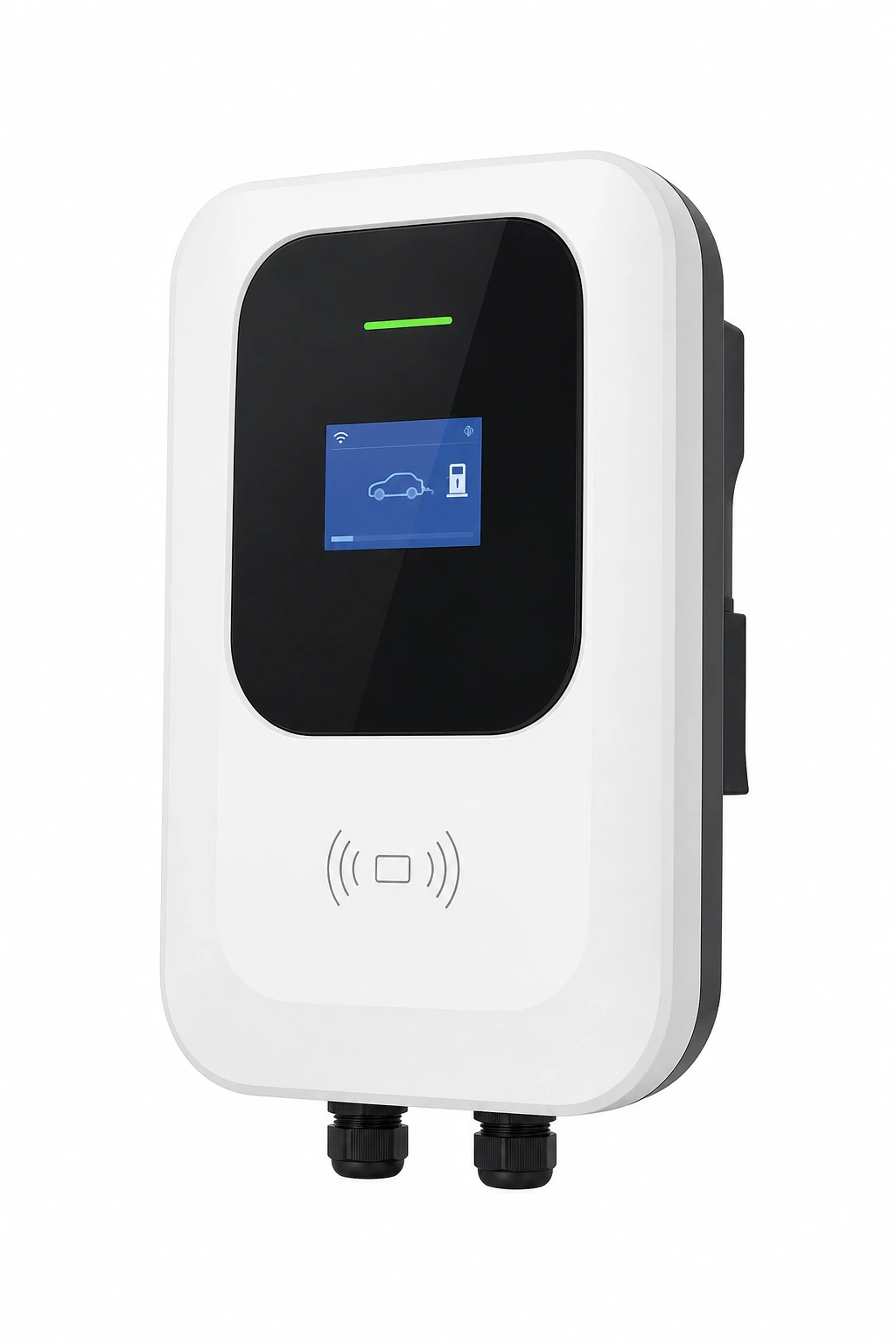
AC charger range
Review managed AC when overnight dwell time can meet the route-energy requirement.
Project check: category-only; no depot model, duty cycle or availability impliedReview this project path →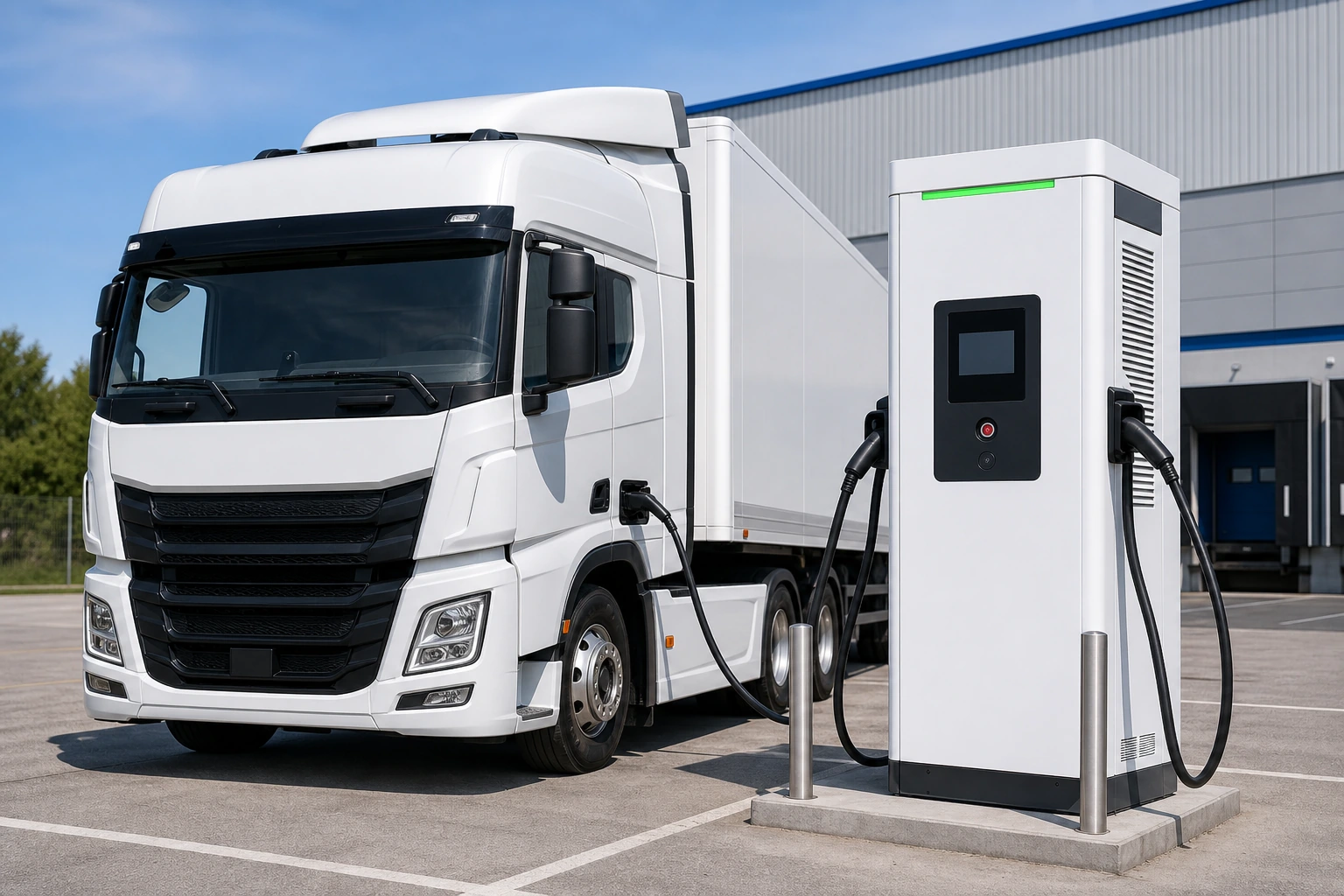
DC fast charger range
Review only after the route schedule identifies a justified DC duty.
Project check: category-only; do not infer a specific model or availabilityReview this project path →
Fleet depot planning and RFQ requirements
Use route energy, parking windows and degraded-mode tests to issue a comparable depot RFQ.
Project check: buyer guide; not evidence of a released model or guaranteed duty cycleRead the buyer guide →Send the route table, not just a charger quantity
Attach a vehicle list, daily energy, parking window and site power limit. SUNFULL can use those inputs to discuss a candidate charger mix and the tests still needed.
Turn the vehicle schedule and site constraints into a comparable equipment inquiry. See our fleet and commercial charger RFQ scope.
Sources and further reading
- Electric Vehicles for FleetsCovers fleet-specific charging and expansion considerations.
- EVI-LOCATE Step by StepDescribes planning power requirements, upgrades and local project costs.
- Blueprint 4A: Electric Vehicles and Fleet ElectrificationSupports route, charging-time and smart-charging planning.